
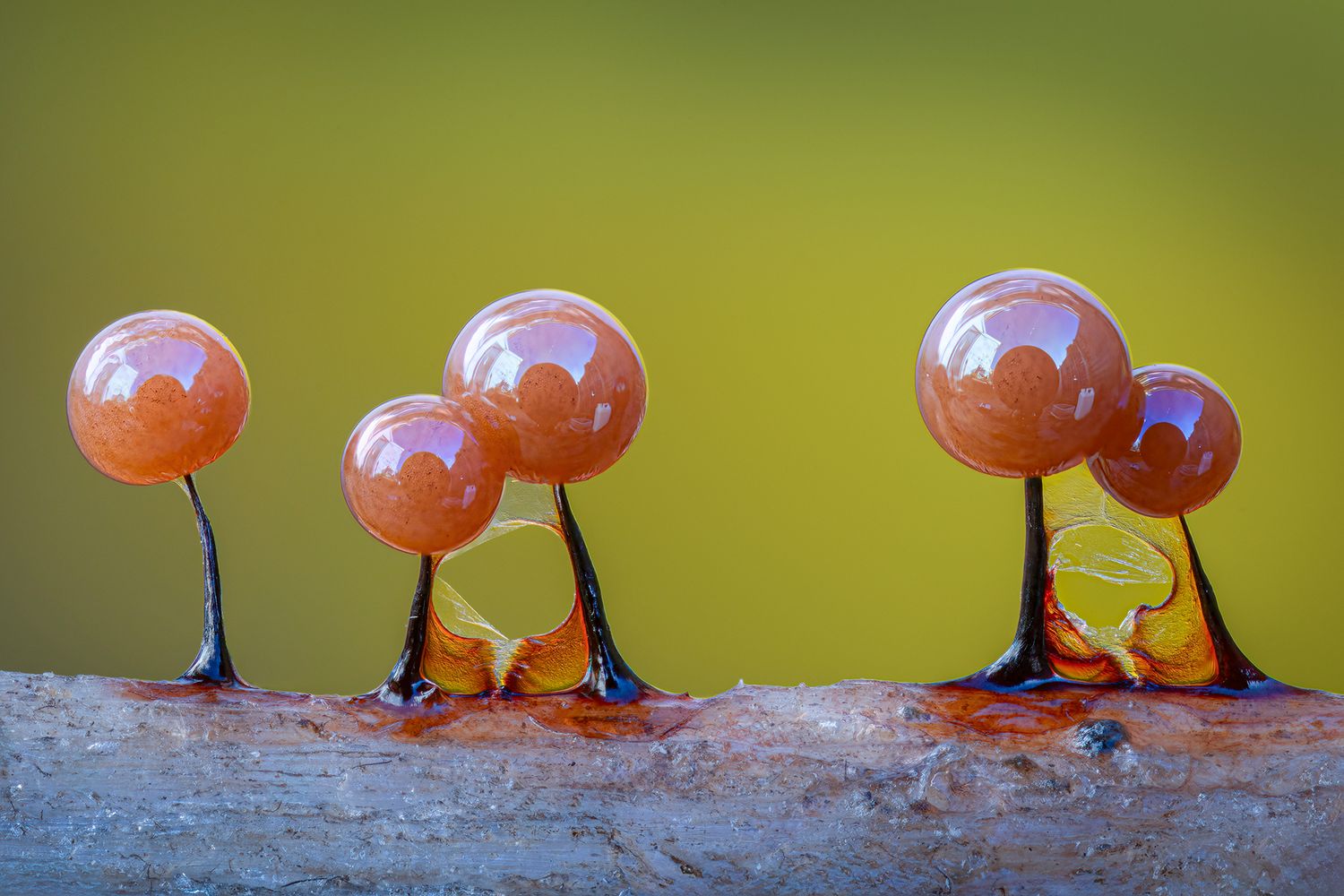
Slime Mold photography workshops
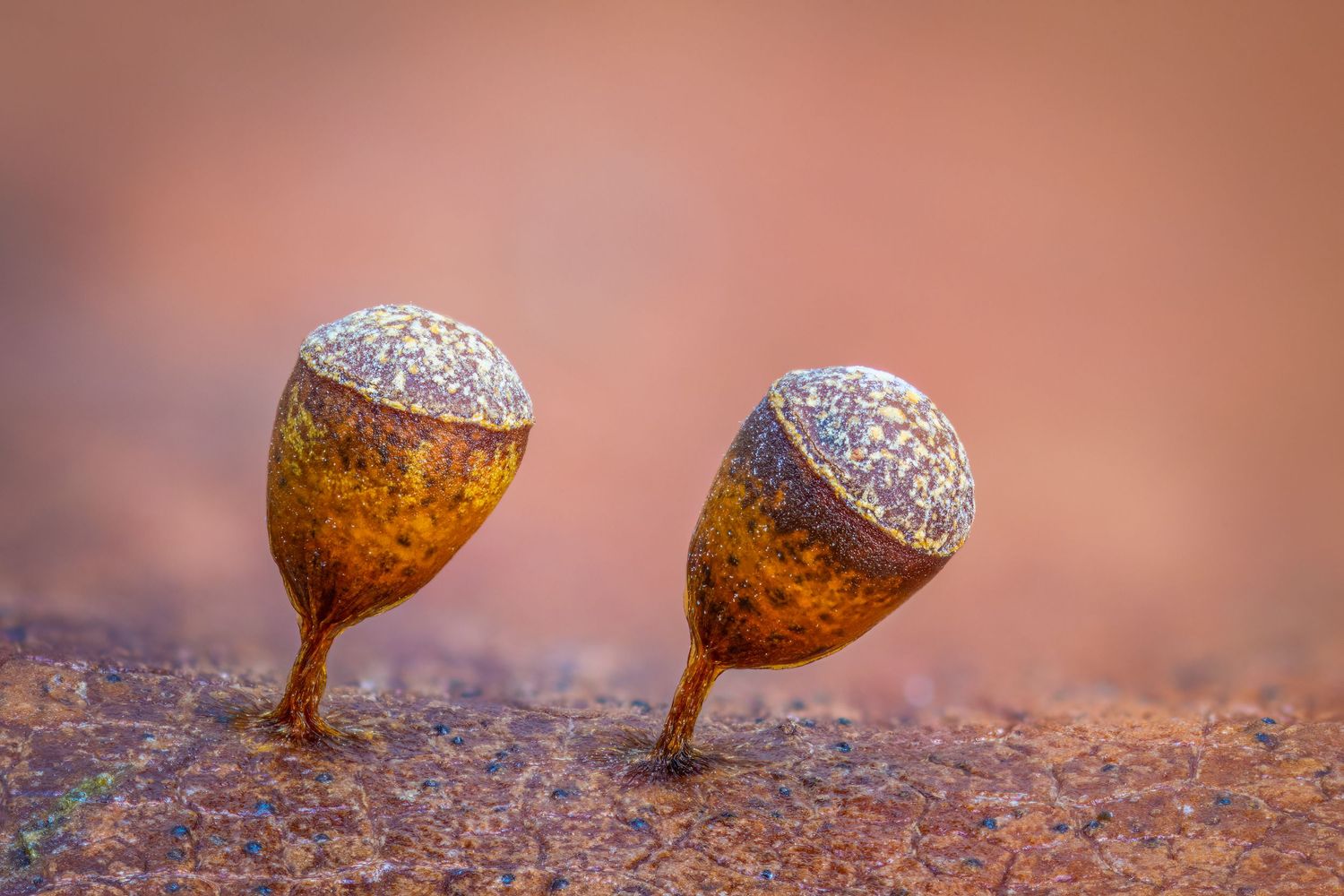
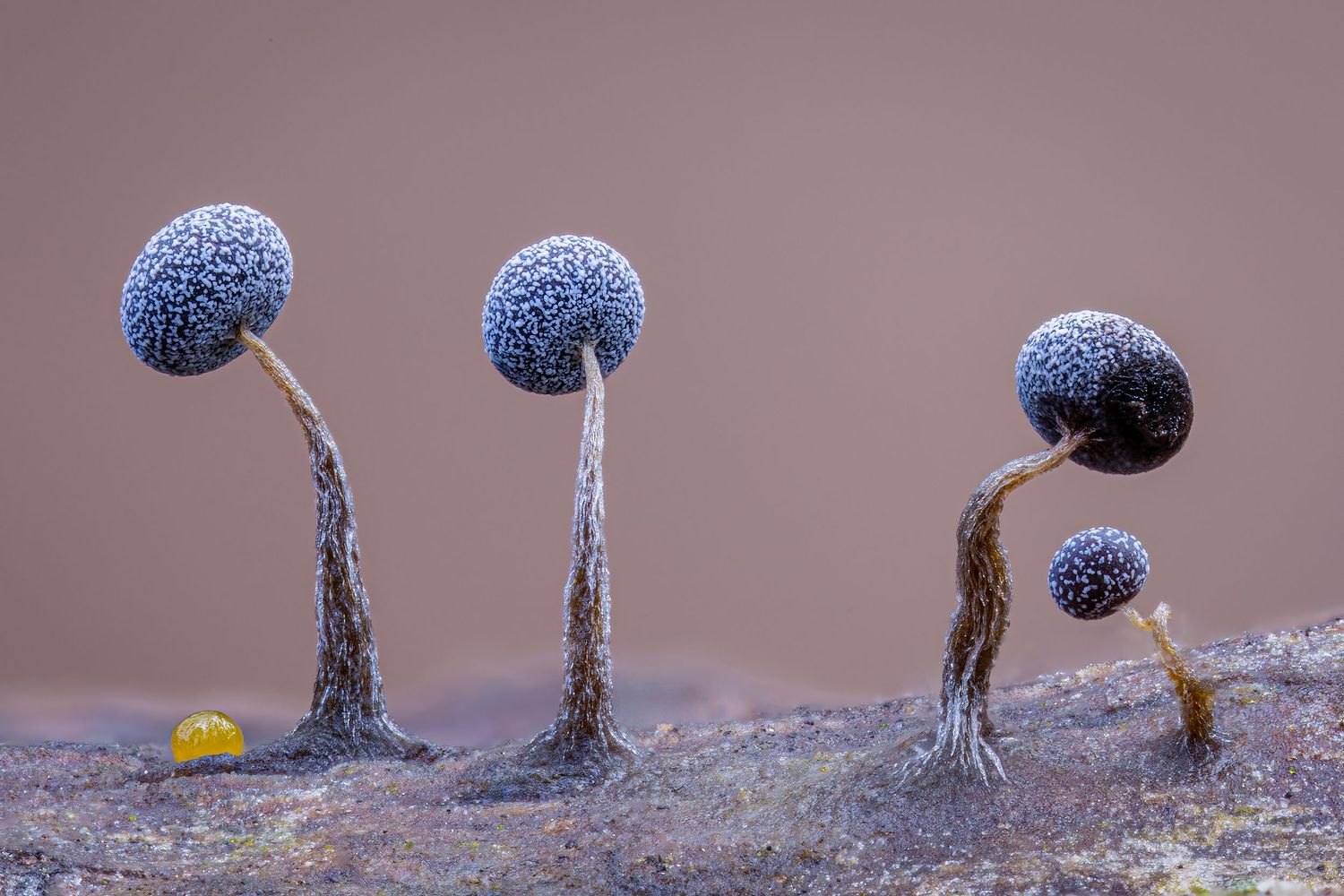
In this workshop, we will explore the diverse world of slime molds in the woodland environment, photographing a variety of species along the way. The specific species we encounter will vary depending on the weather and seasonal conditions. However, rest assured that I always keep a selection of slime mold samples on hand, so you will never leave empty-handed.
Throughout the day, I'll guide you to the best spots to find these fascinating organisms. I'll share tips on where and how to look for slime molds, giving you valuable insight that you can use when exploring woodlands on your own in the future.
Whether you're new to photographing slime molds or an experienced nature photographer, this workshop will offer a unique opportunity to capture the beauty of these incredible organisms while learning how to find them in the wild.
Requirement
* A macro lens capable of minimum 2× magnification (or 1:1 + extension tubes/macro filters)
* A sturdy tripod, ideally one that allows low-level shooting near the ground
* A macro focusing rail (if you have one), which helps with smooth movement during focus stacking
*A flash with a diffuser is helpful for low-light conditions, shaded areas. ( If you have them ) If not no worries we will use LED lights.
If you don’t have a high-magnification lens, Canon users can hire my 1–5x magnification lens during the session. £30 is the cost to hire the lens. Please contact me first before booking if you need to hire my lens.
Excluded :
Transport to location, Meals, Insurance.
What Species Can You Expect to Find?
One of the most common questions I receive is, "What species will we find during the workshop?" The honest answer is that nature is always unpredictable, and no two visits are ever the same. However, each season brings its own selection of fascinating slime molds, fungi, and other woodland treasures.
My workshops take place in some of the best habitats in southern England, where a rich diversity of species can be found throughout the year. While specific species can never be guaranteed, participants regularly encounter a variety of colourful and photogenic slime molds.
The guide below will give you an idea of which species are most commonly found and photographed during different months of the year on my workshops. Seasonal conditions, weather patterns, and habitat changes can all influence what we discover, making every workshop a unique experience..
Browse the monthly species guide below to see what you might encounter during your visit.
February to June
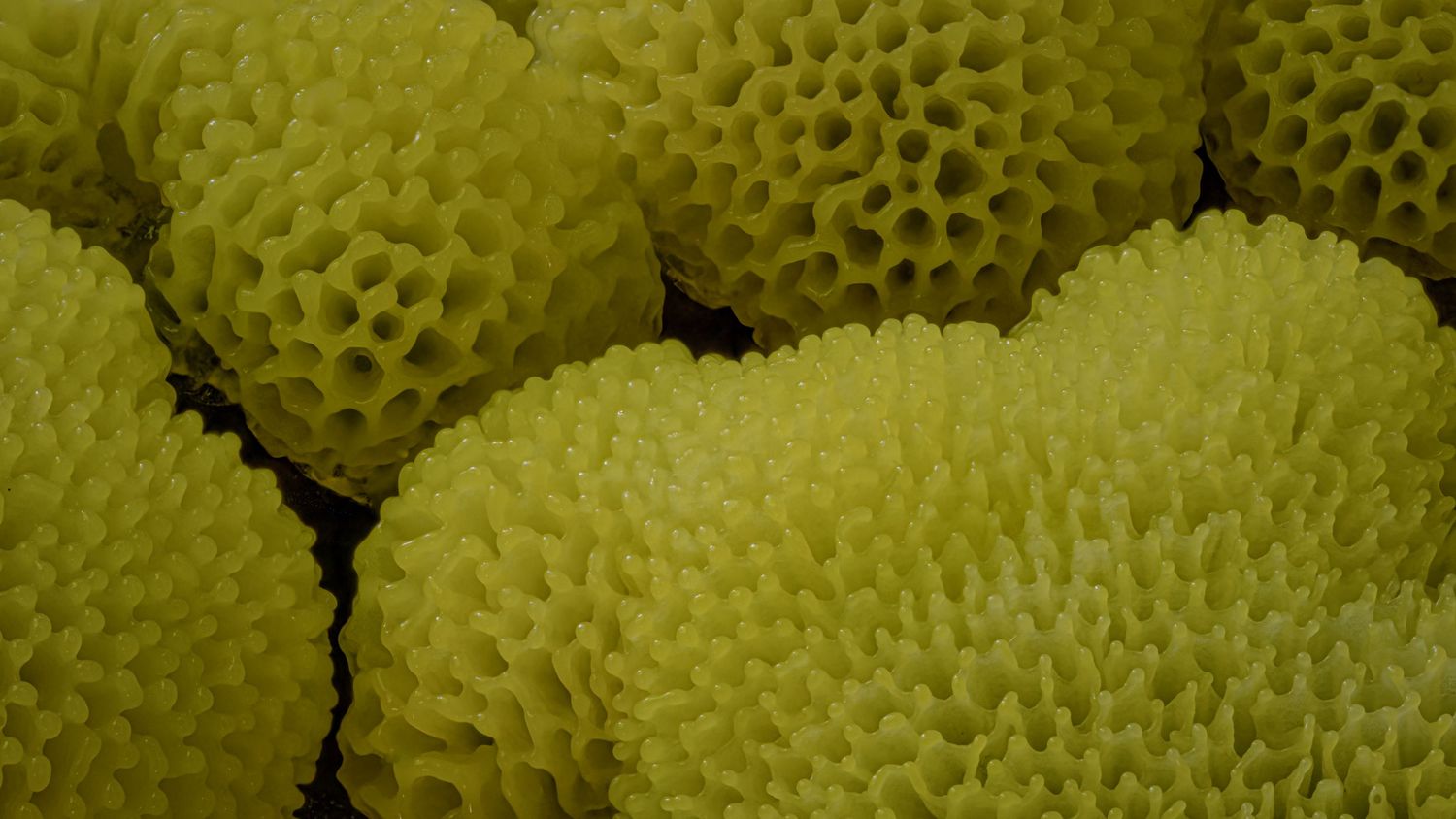
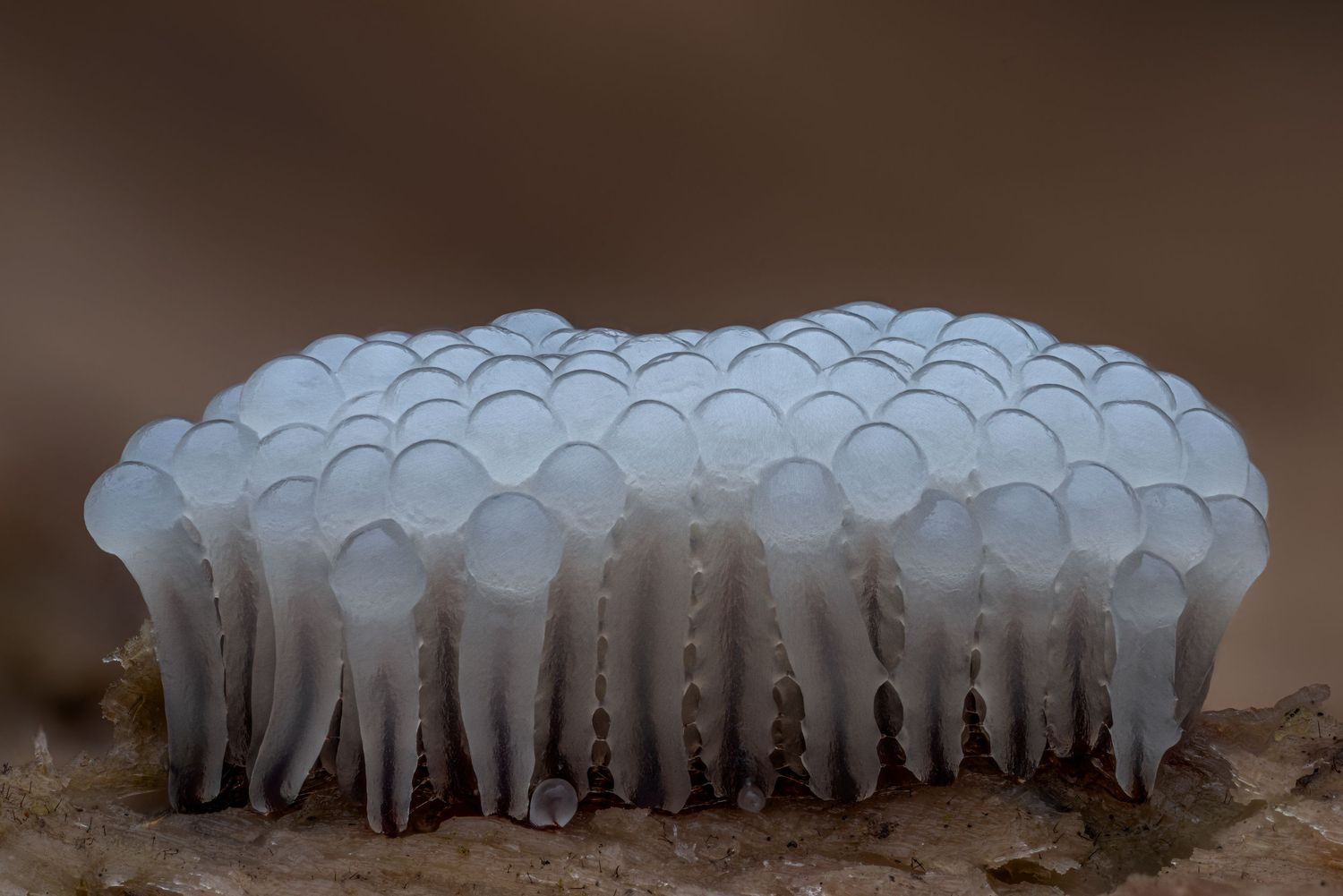
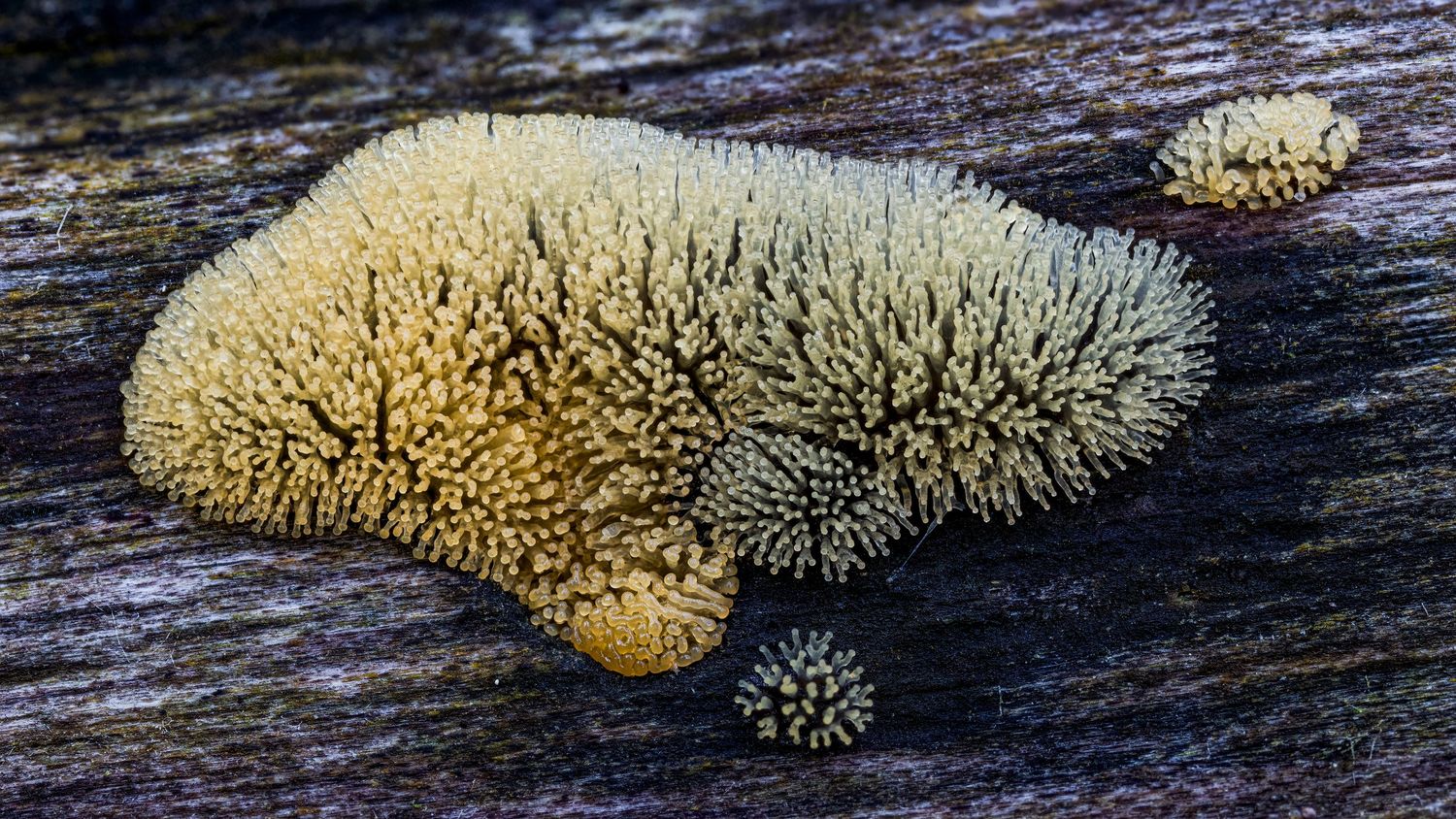
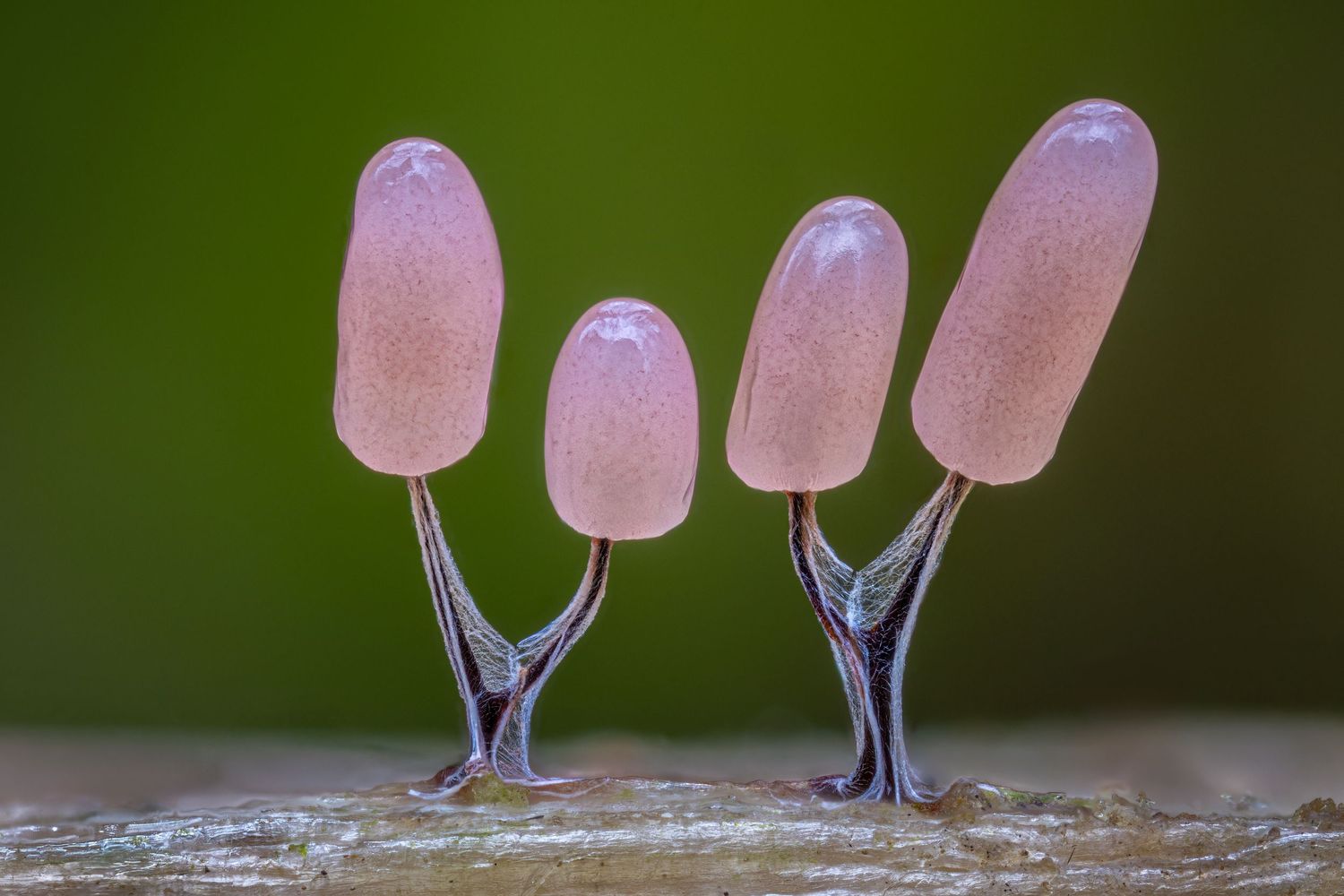
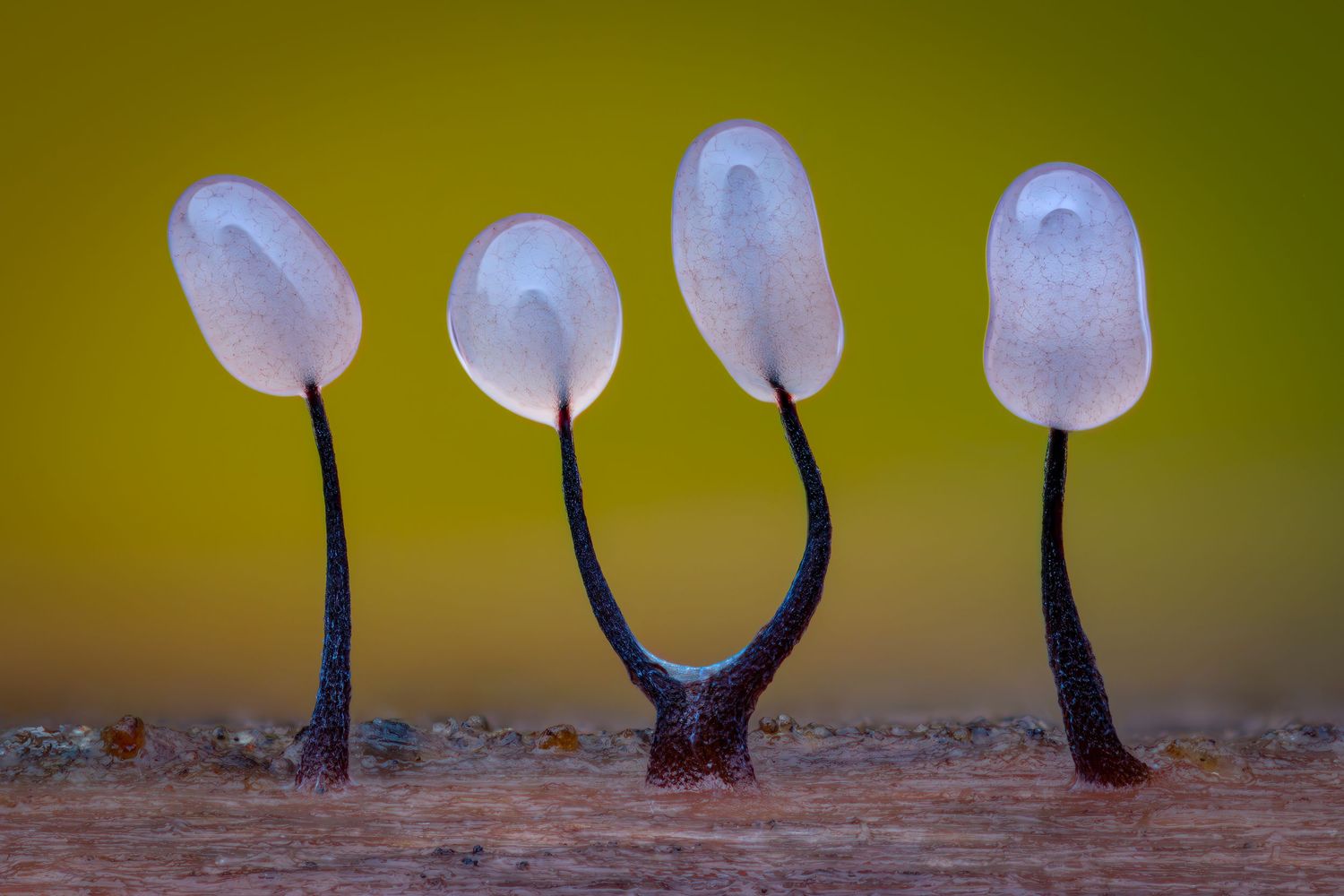
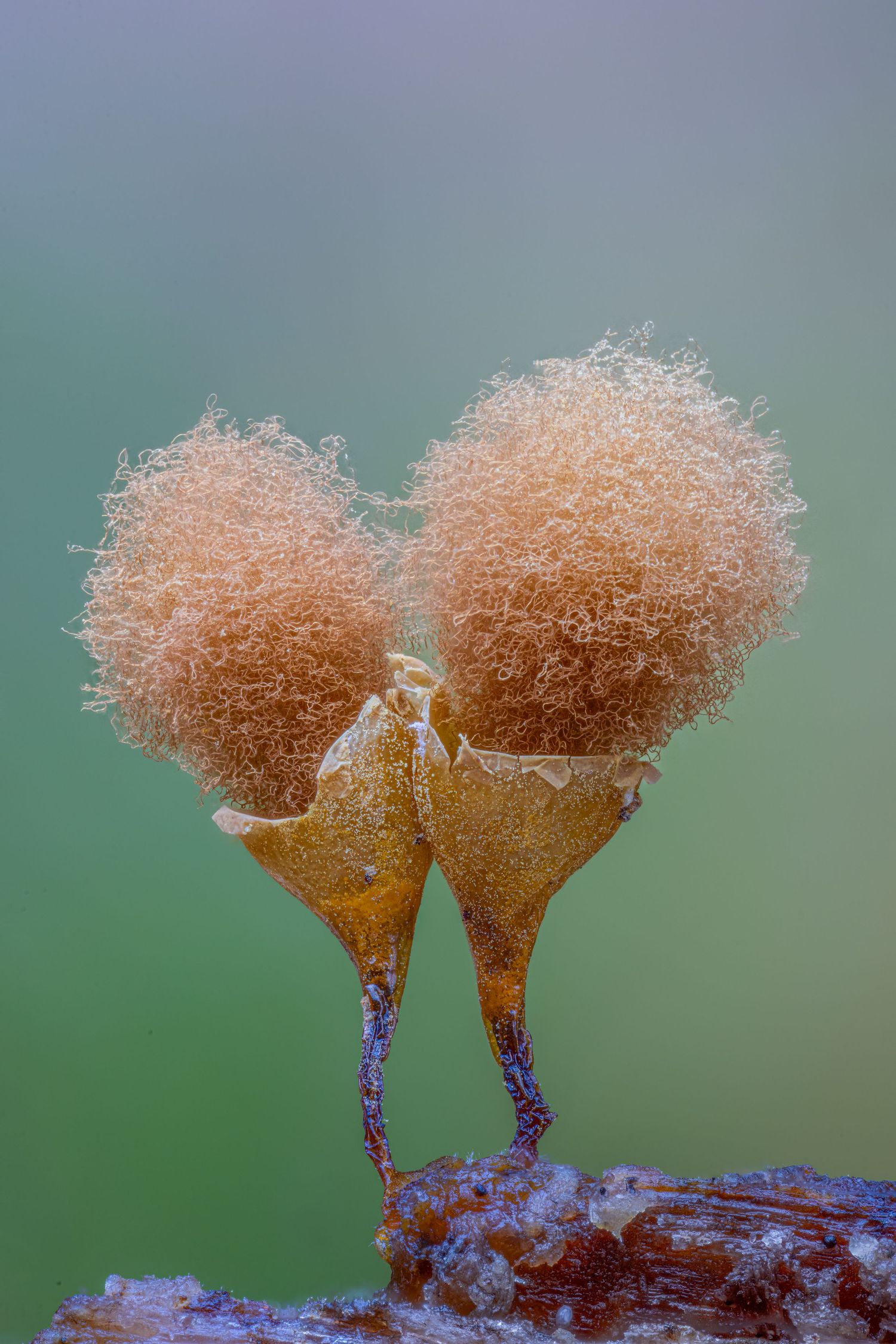
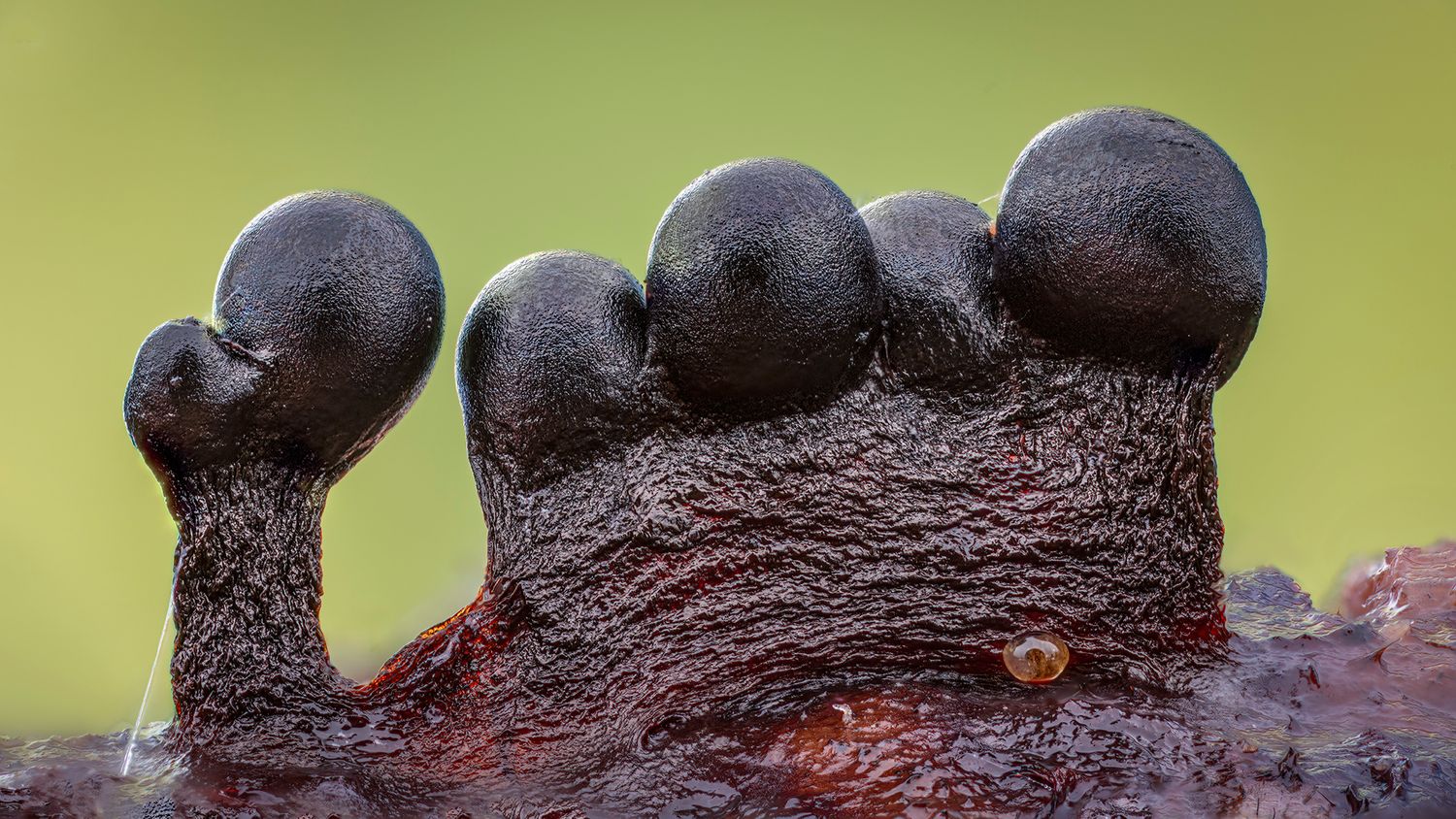
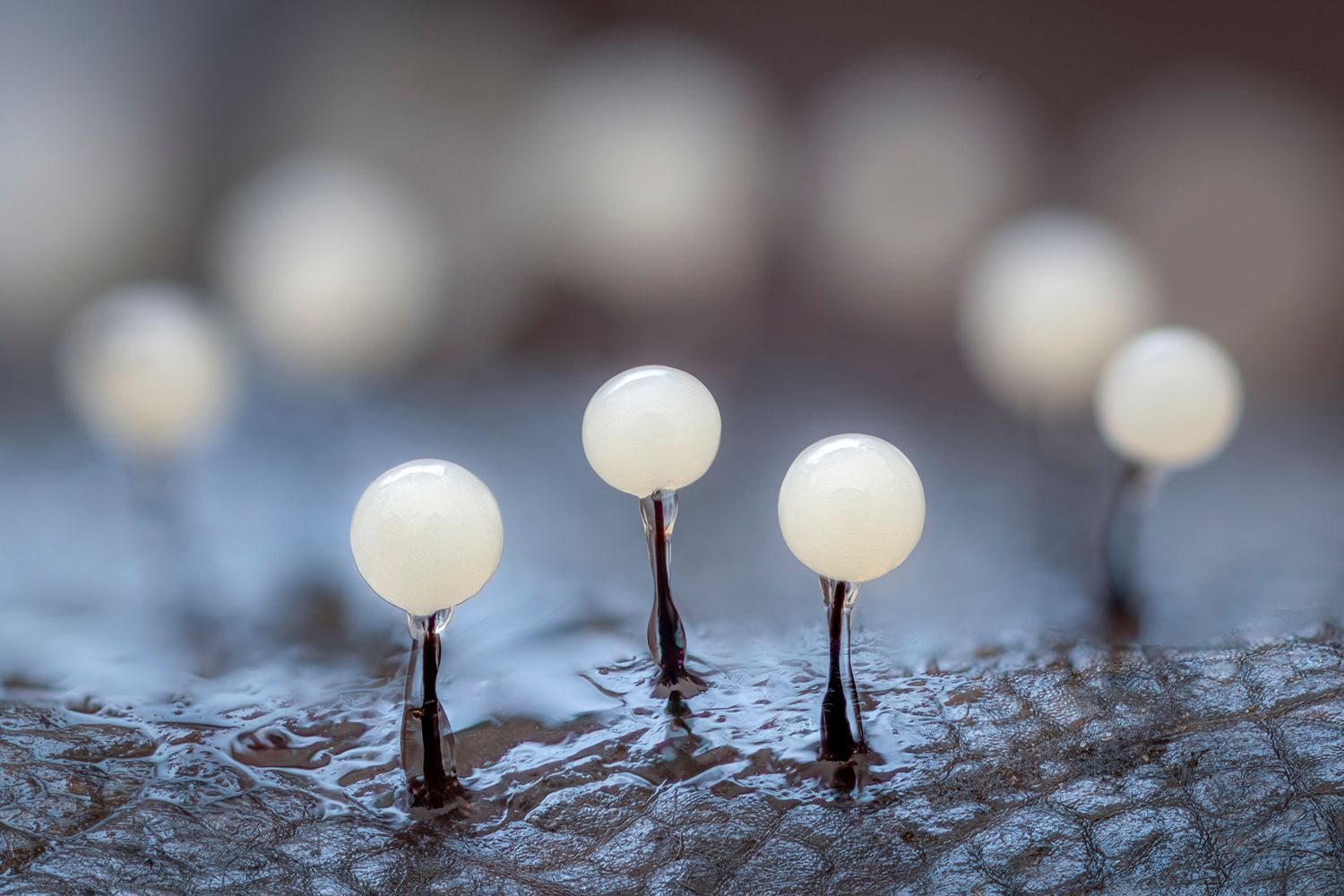
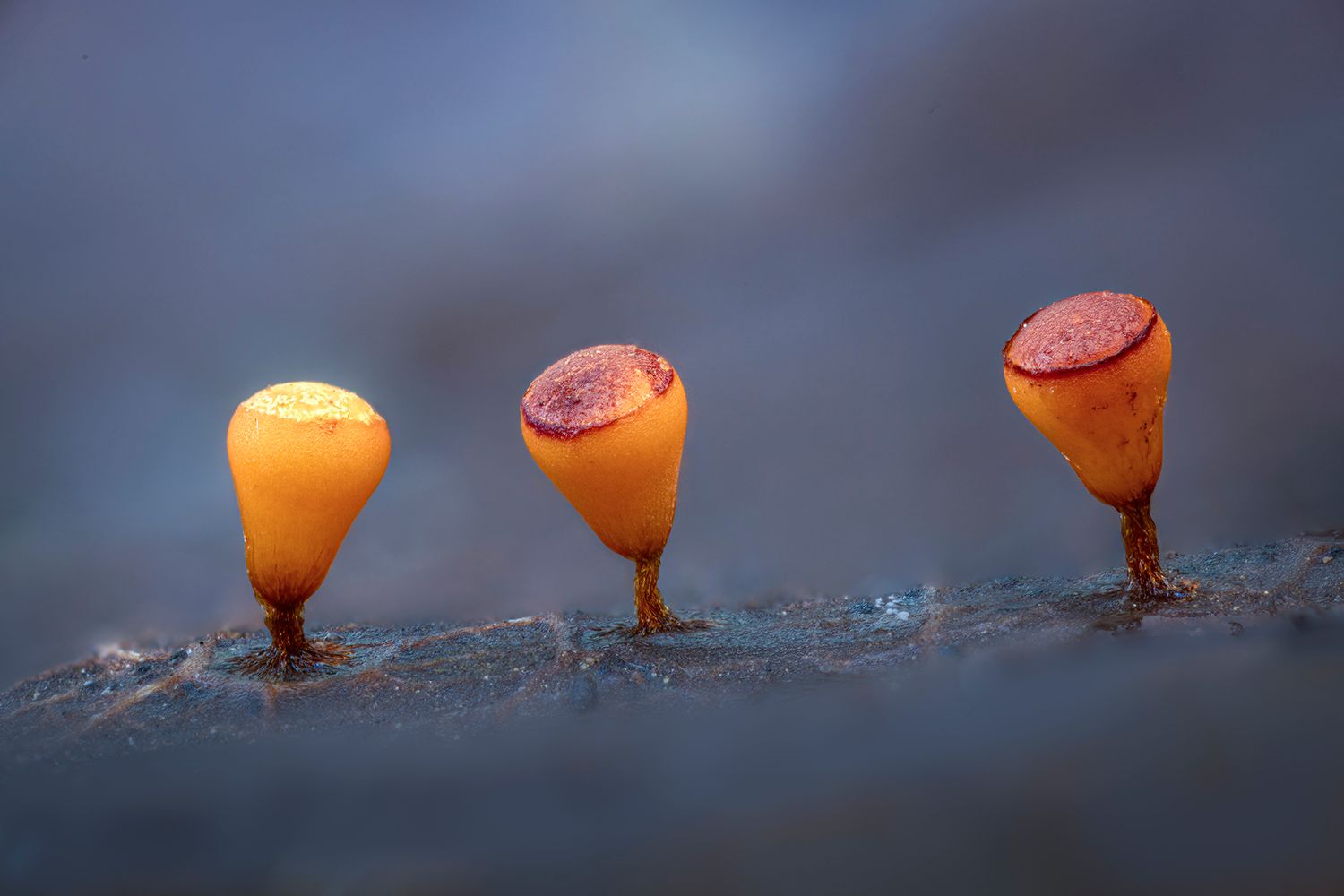
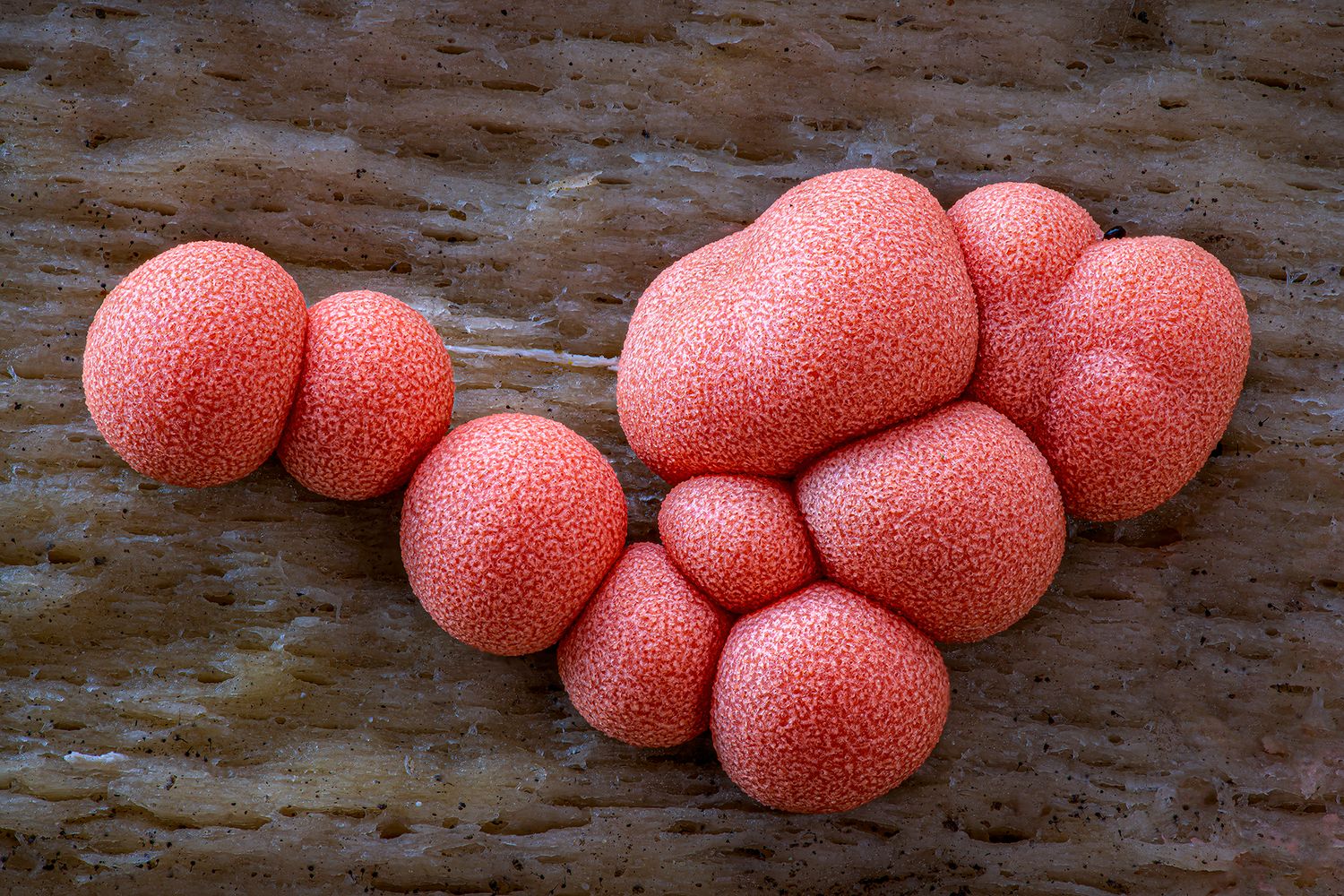
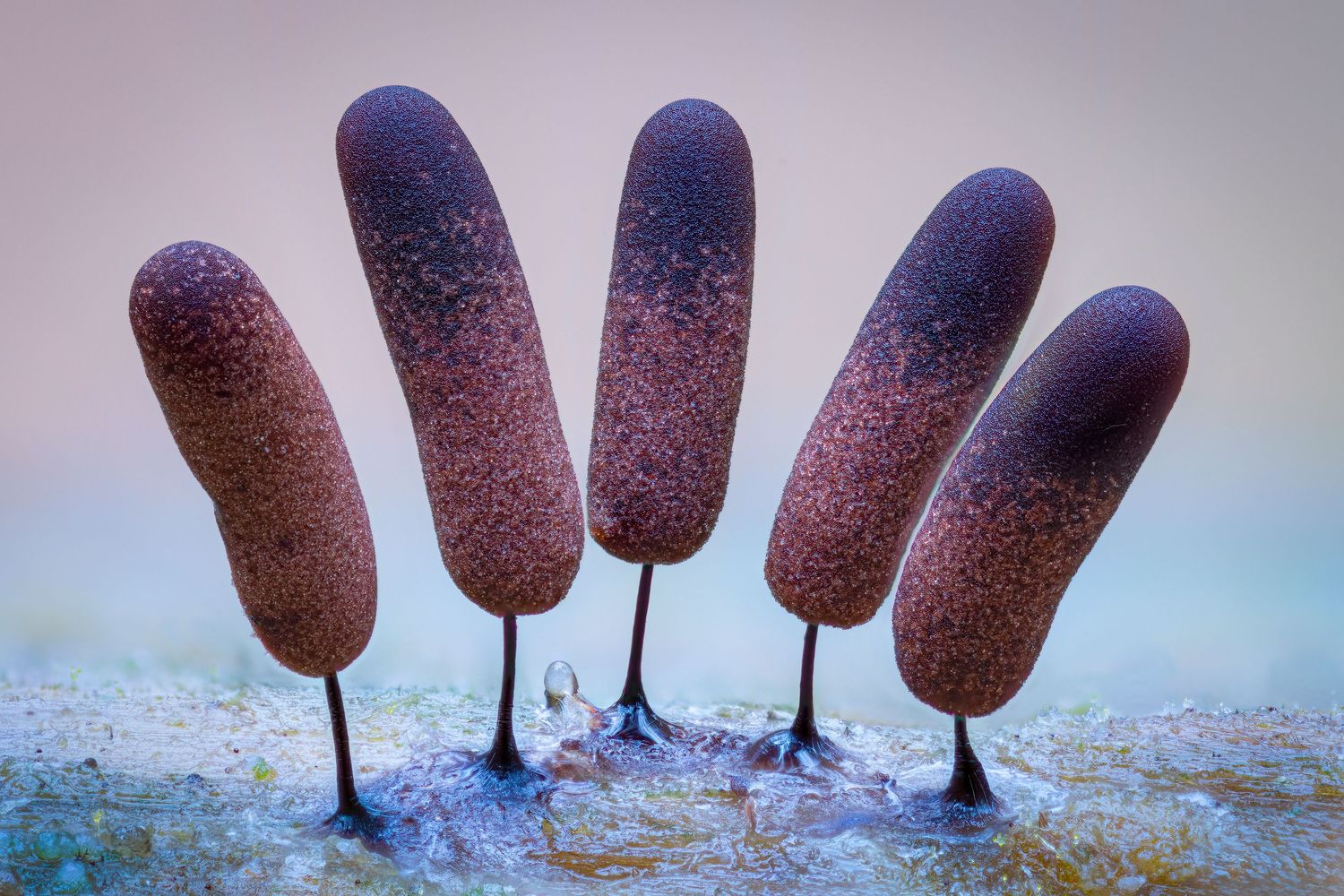
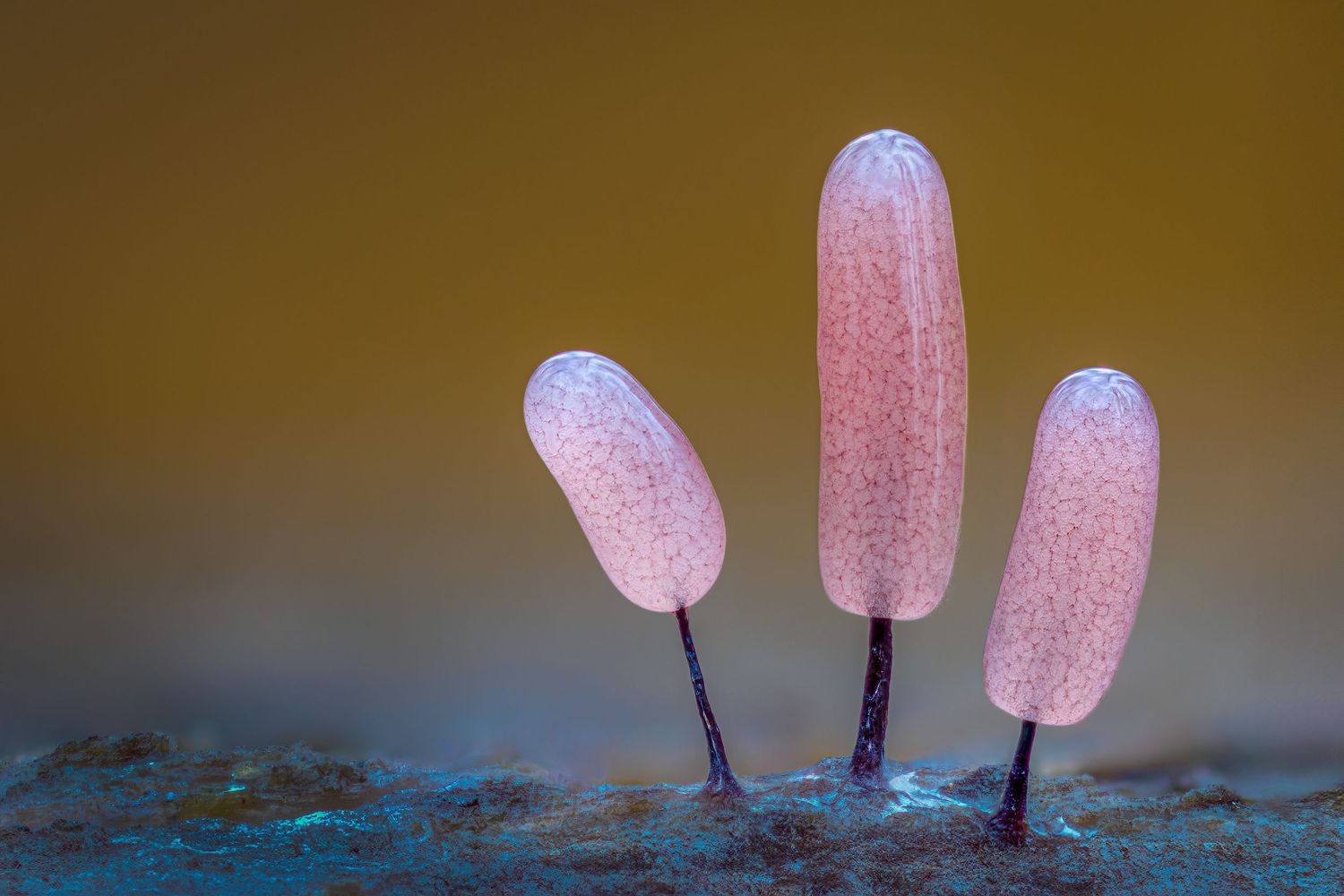
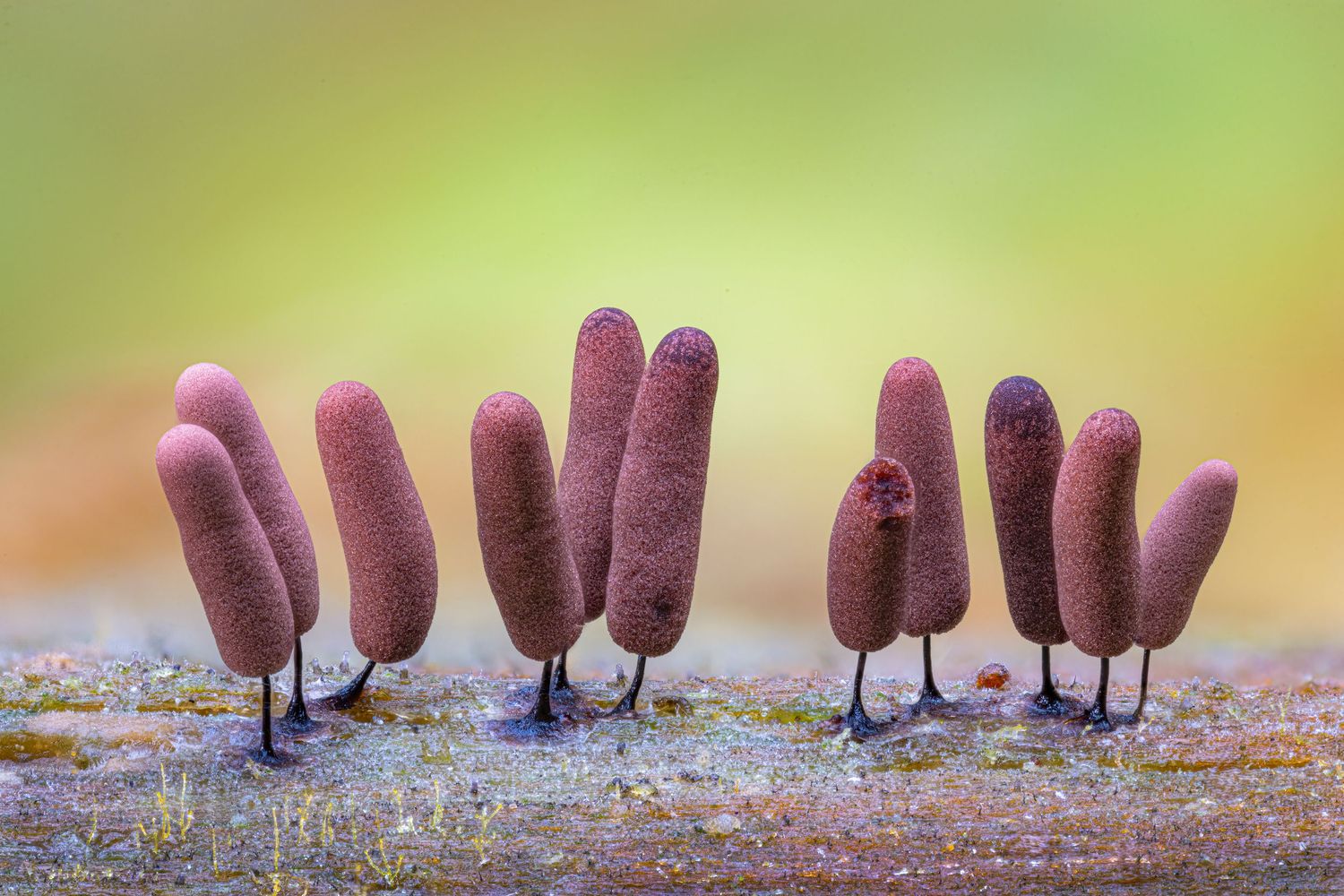
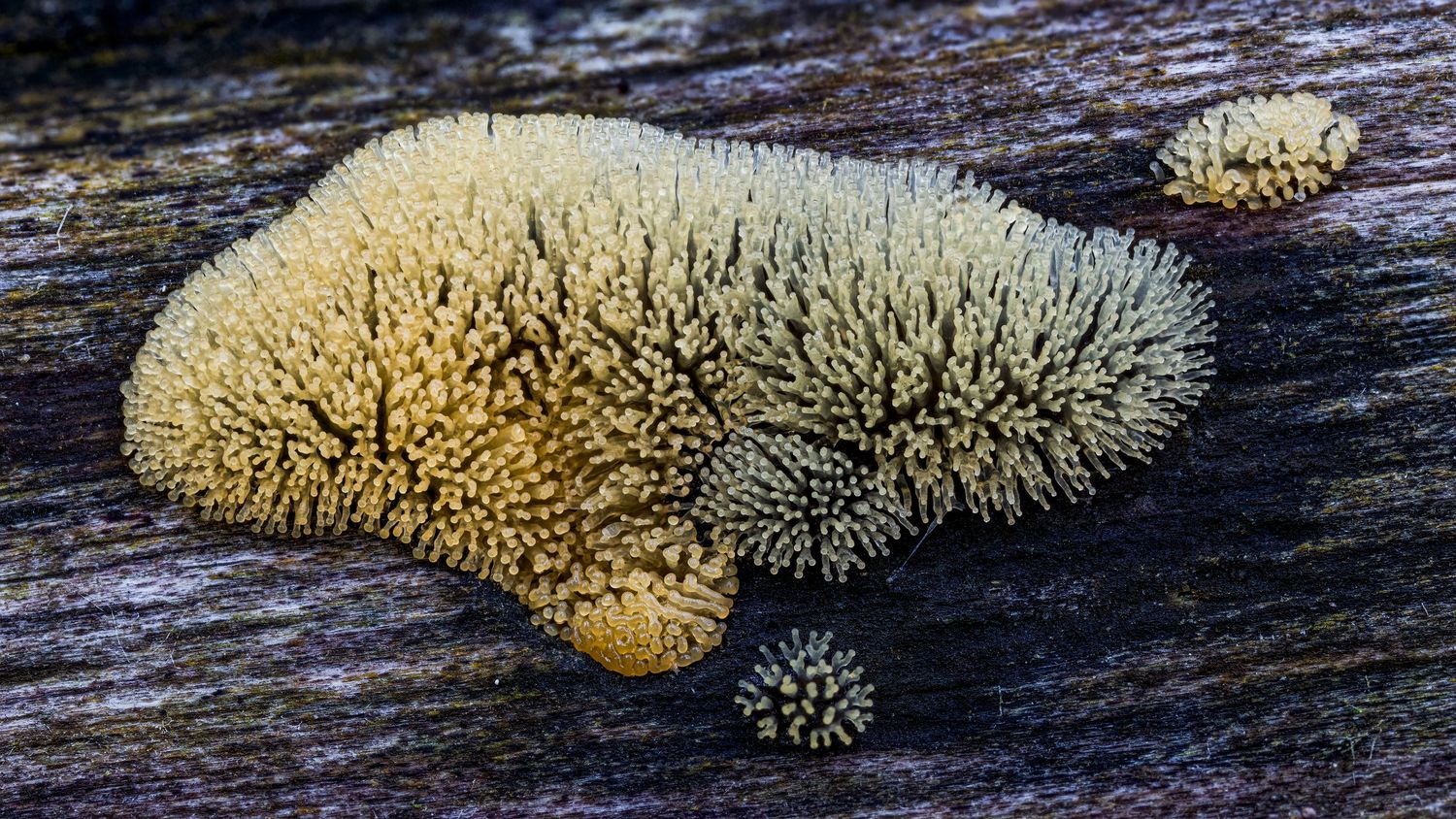
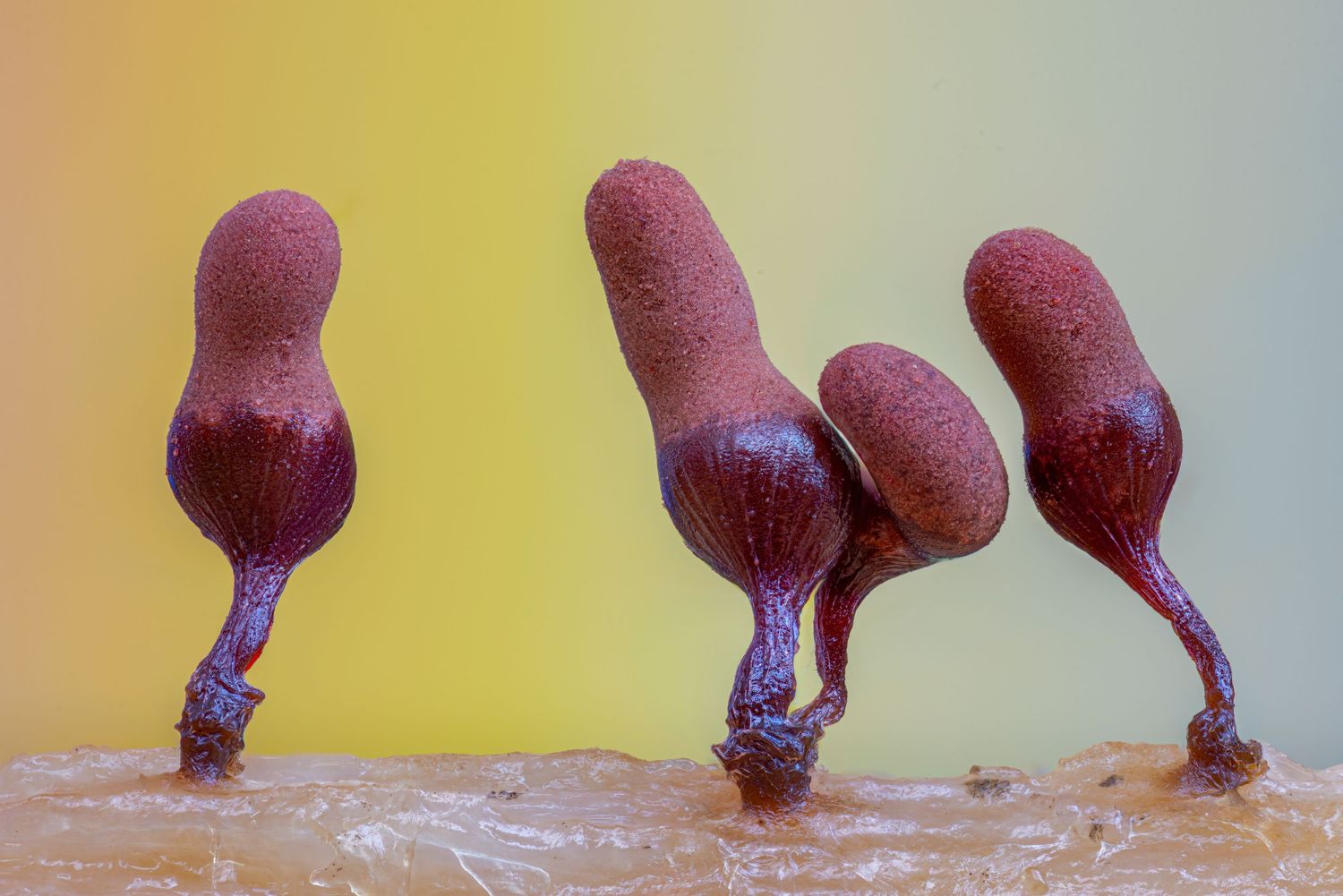
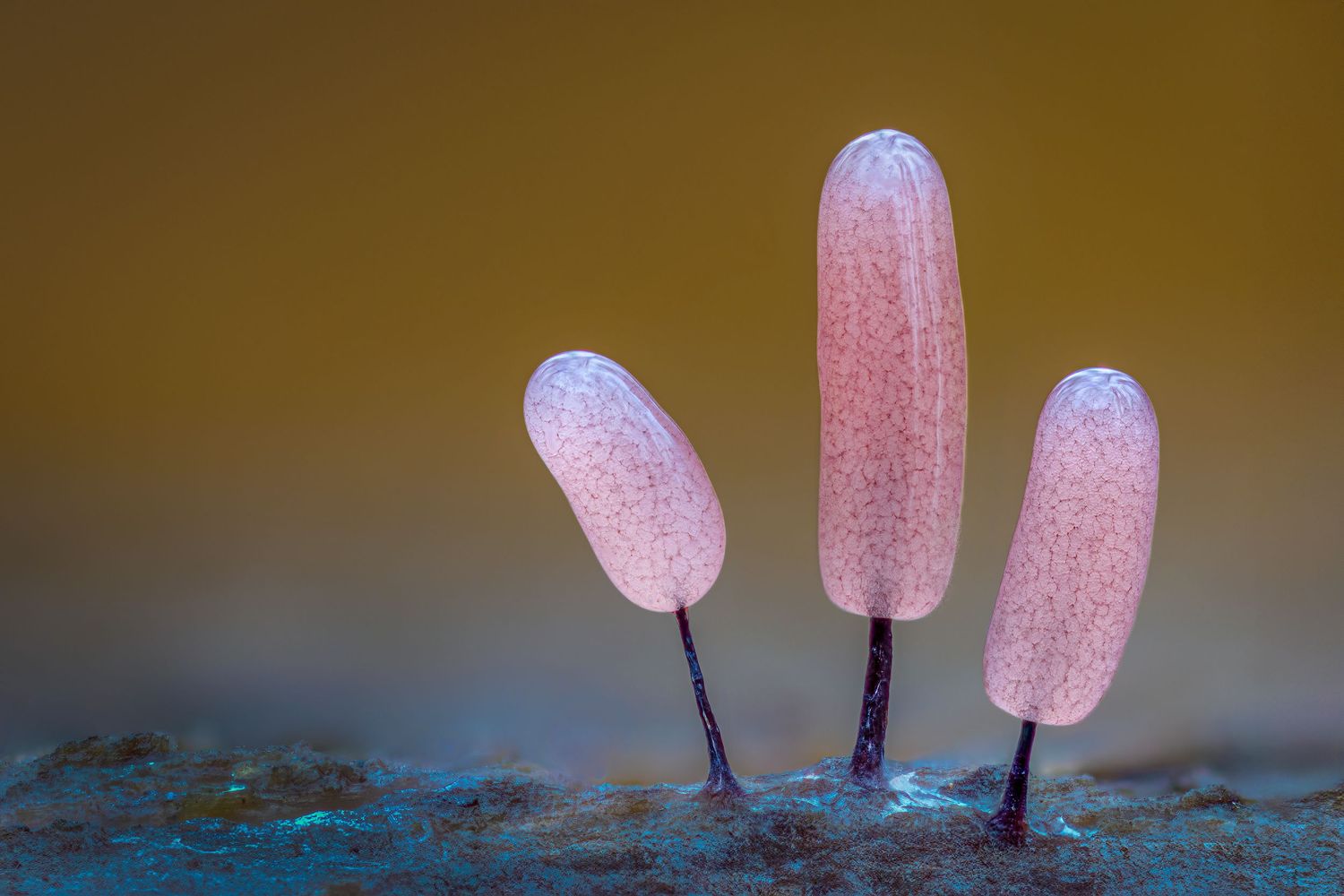
During workshops held between February and June, participants often encounter species such as Lycogala epidendrum (Wolf's Milk), Ceratiomyxa fruticulosa (Coral Slime), Ceratiomyxa porioides, Stemonitopsis typhina, Metatrichia floriformis, and a range of Stemonitis species in both their immature and mature stages.
July to September
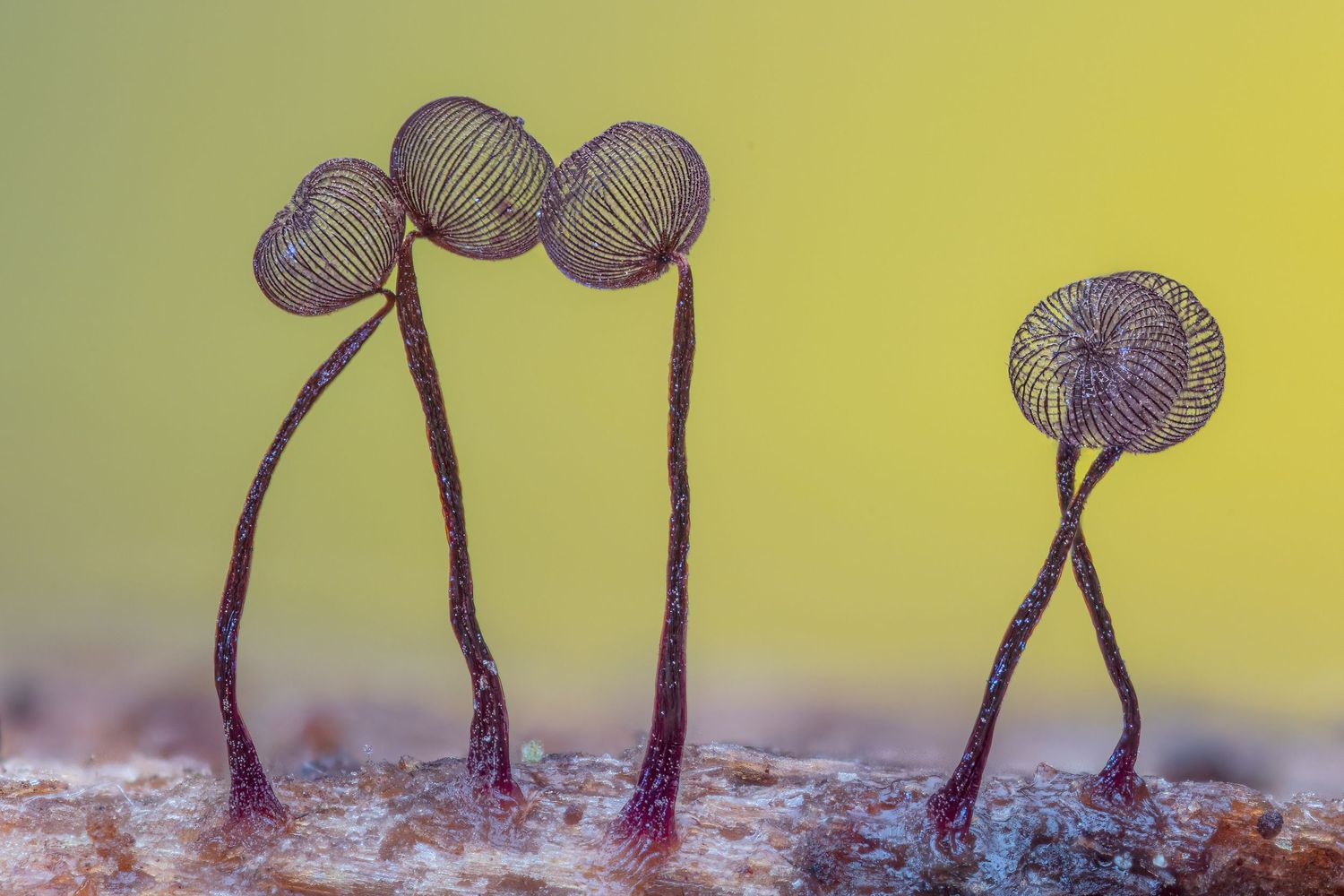
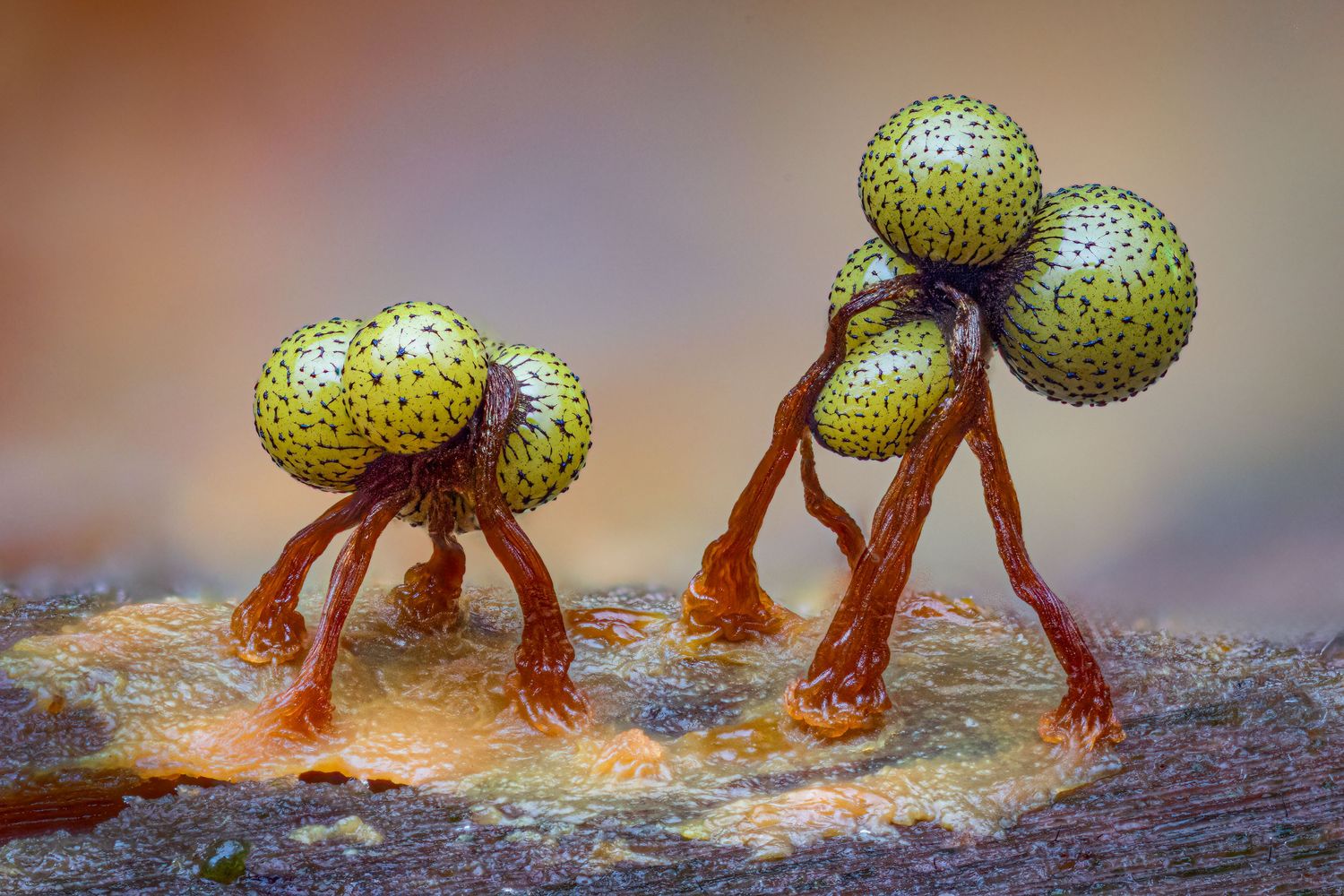
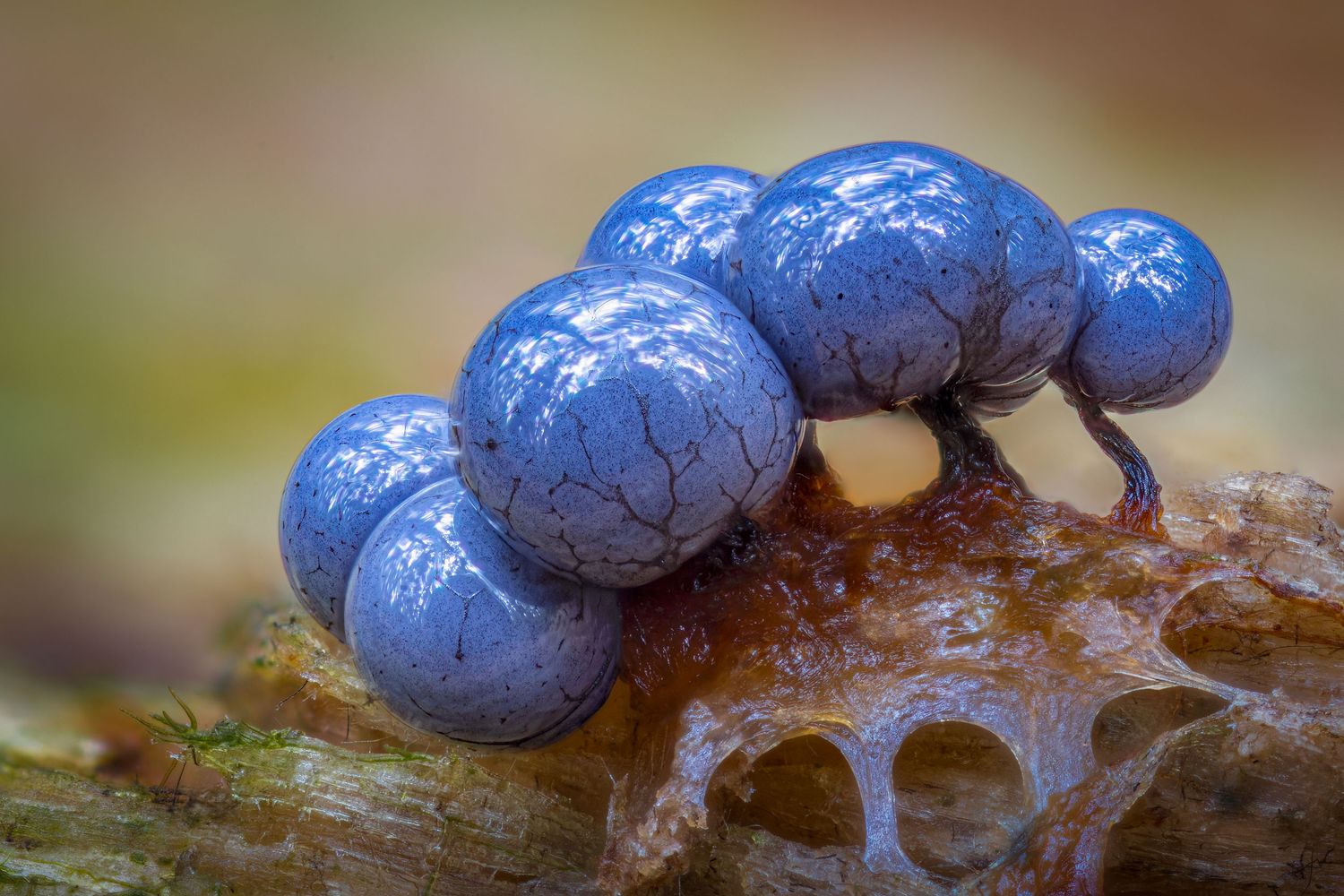
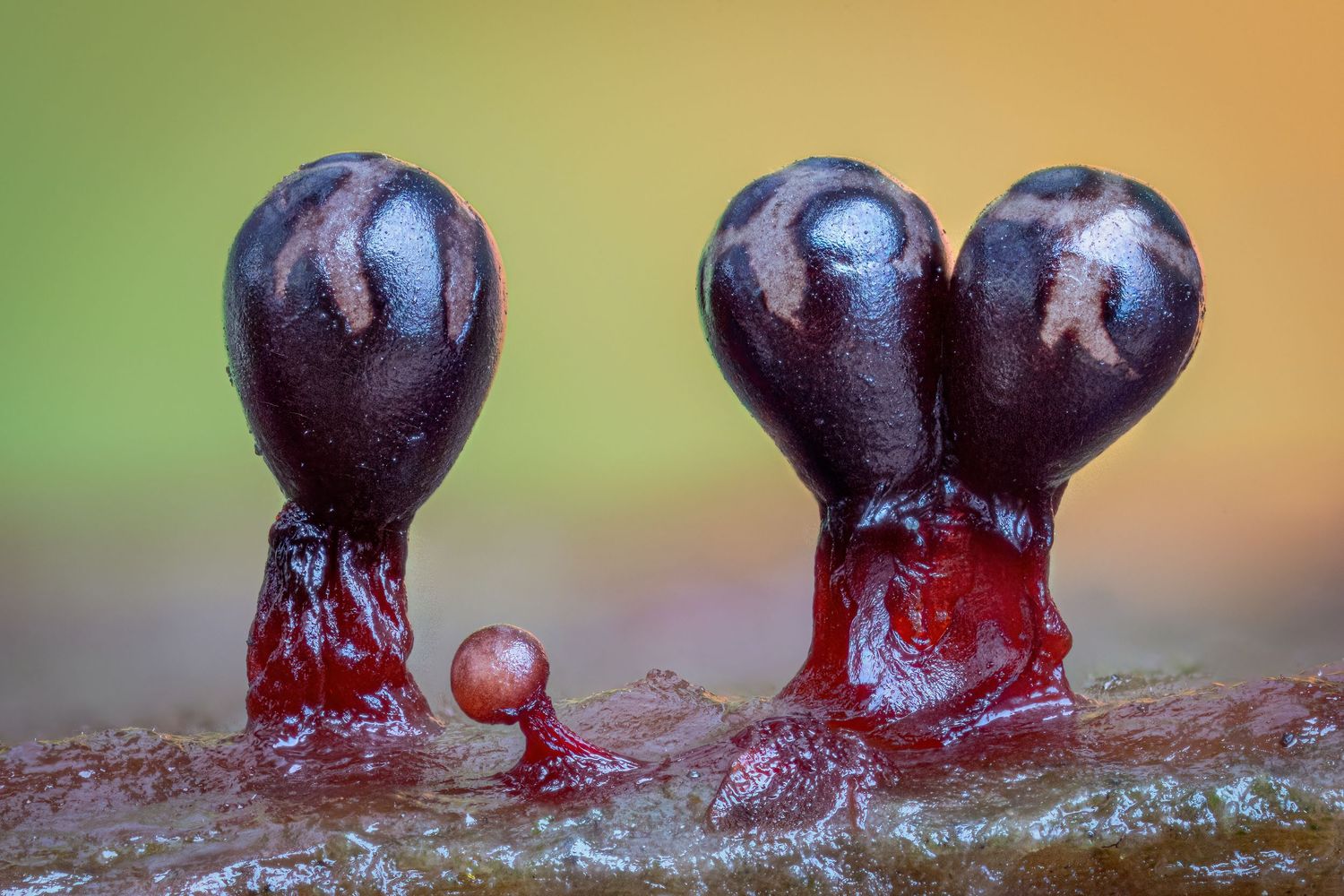
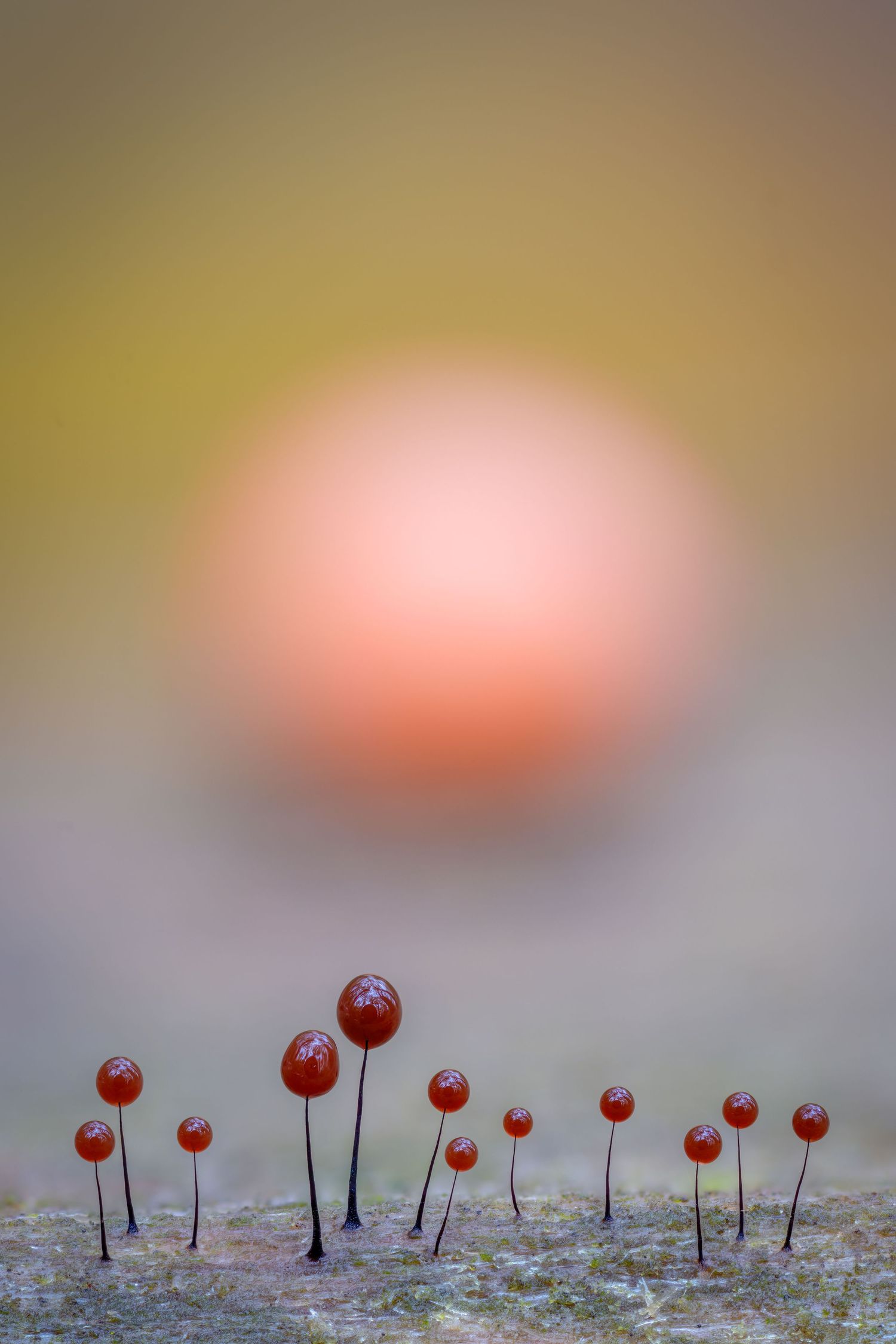
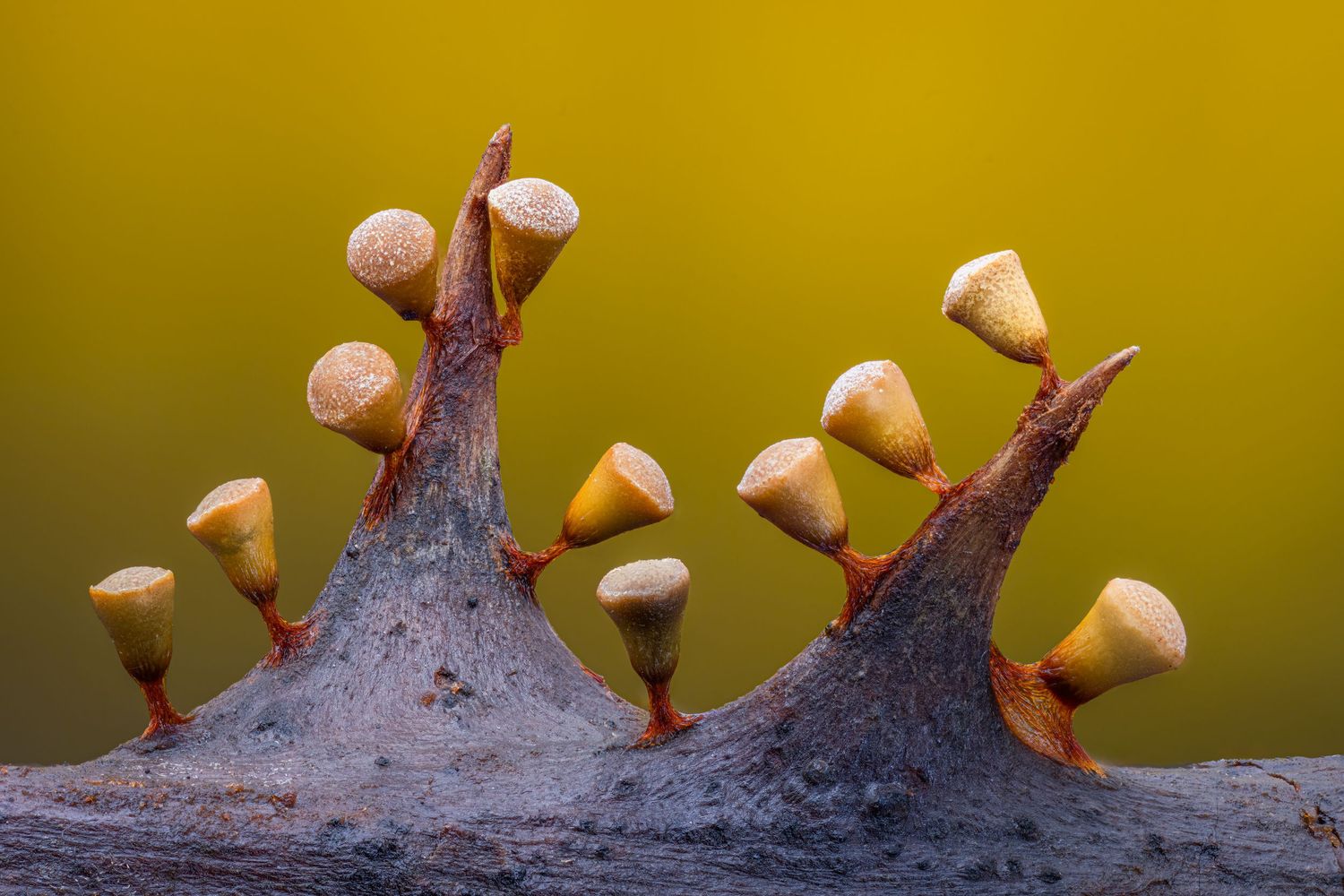
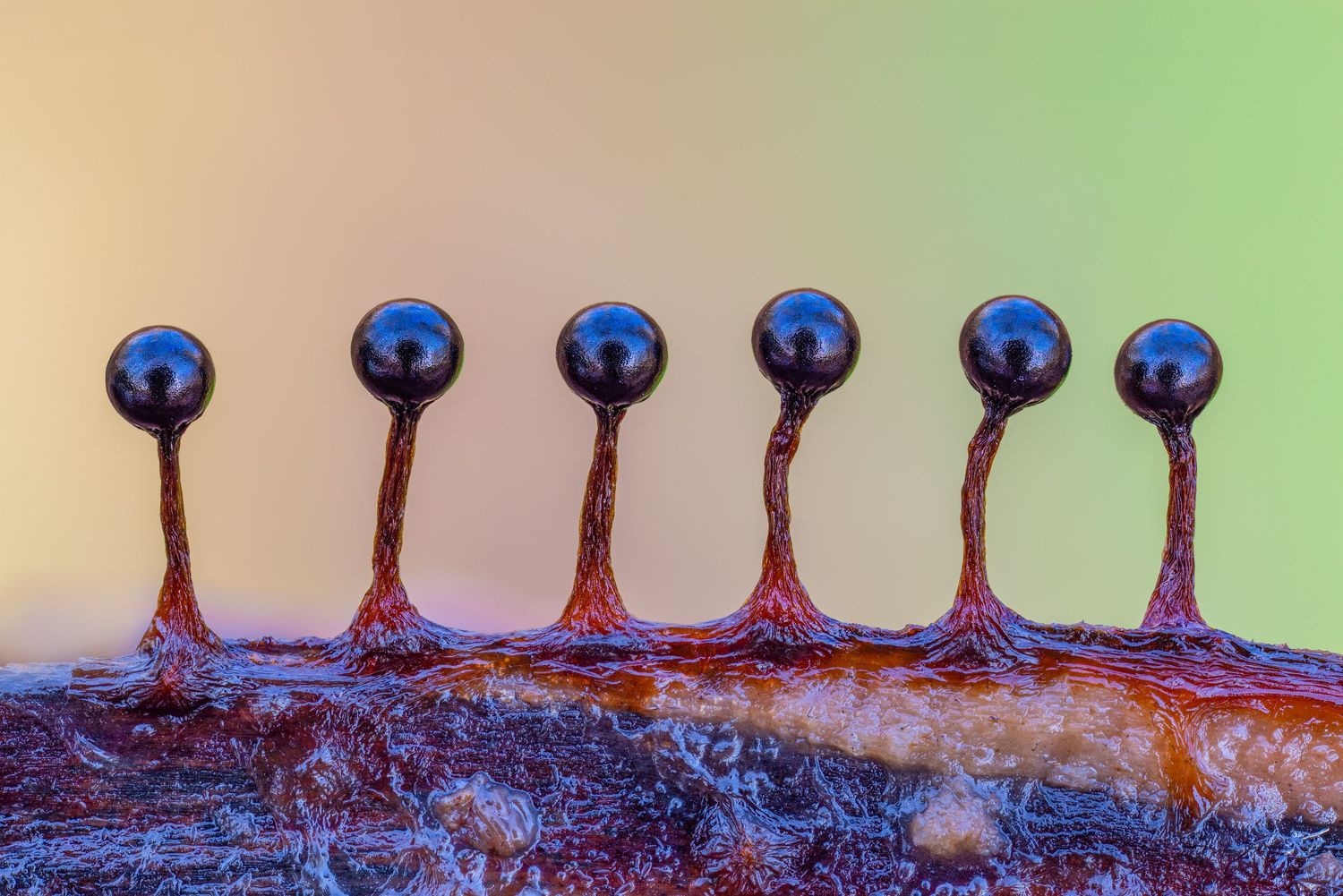
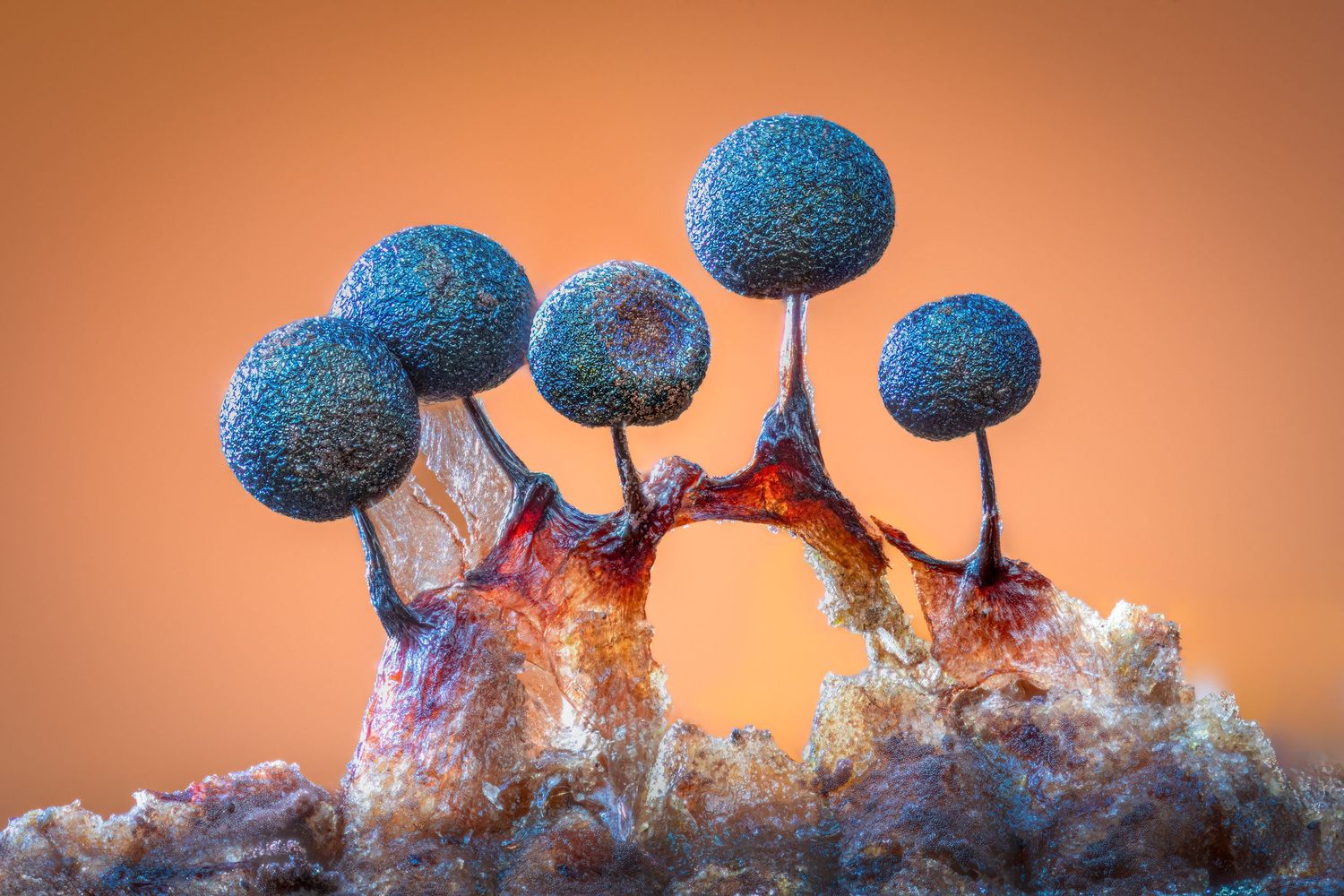
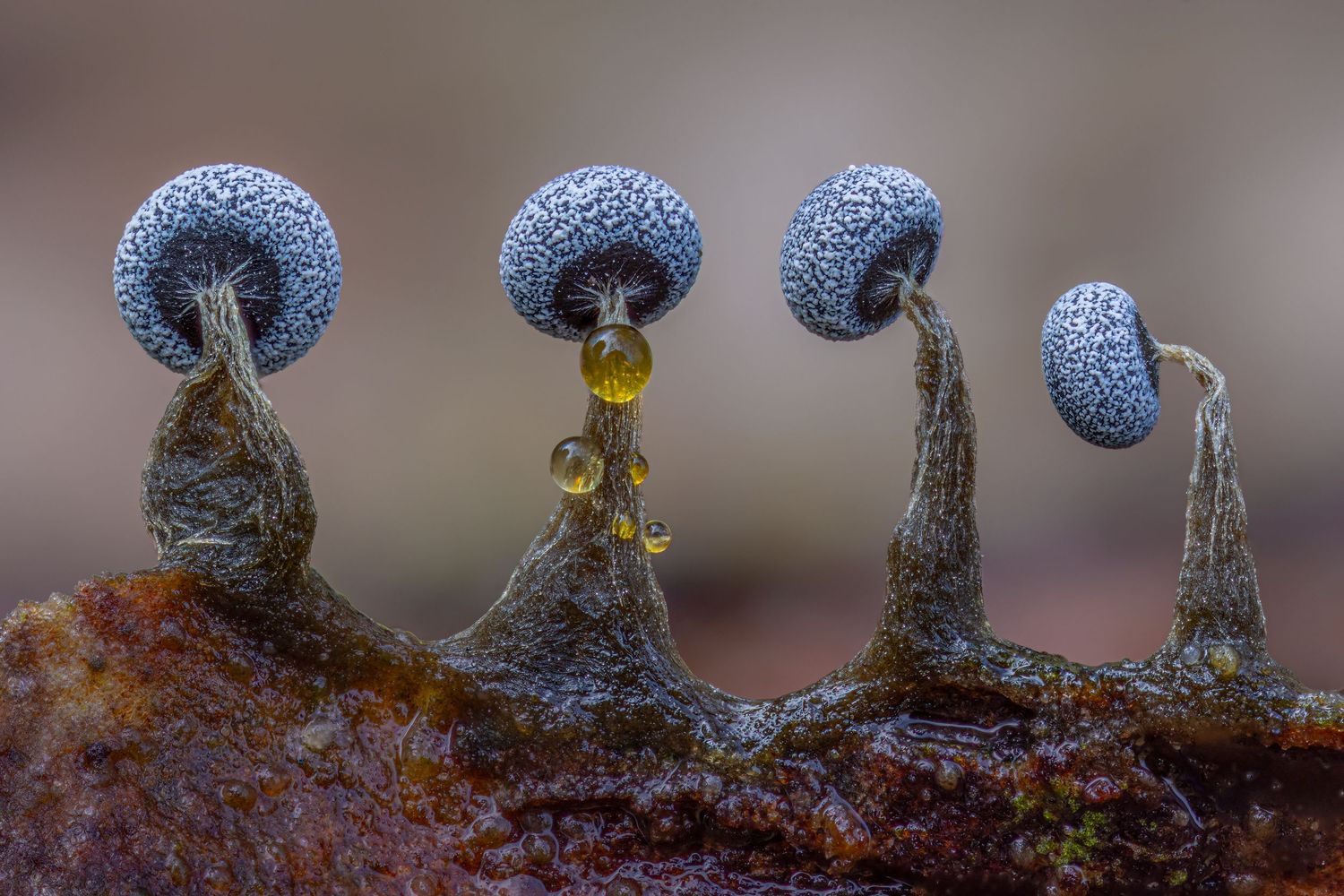
During workshops held between July and September, participants regularly encounter species such as Collaria arcyrionema, Cribraria cancellata, Cribraria argillacea, Cribraria rufa, Cribraria aurantiaca, and various Comatricha species. These slime molds are renowned for their delicate structures, intricate spore-bearing networks, and striking colours, making them particularly rewarding subjects for macro photography.
This season is especially popular among photographers due to the abundance of species from the Cribraria genus, often regarded as some of the most beautiful and challenging slime molds to photograph. Their tiny size and remarkable detail provide excellent opportunities to develop focus-stacking techniques and improve close-up photography skills.
October to January
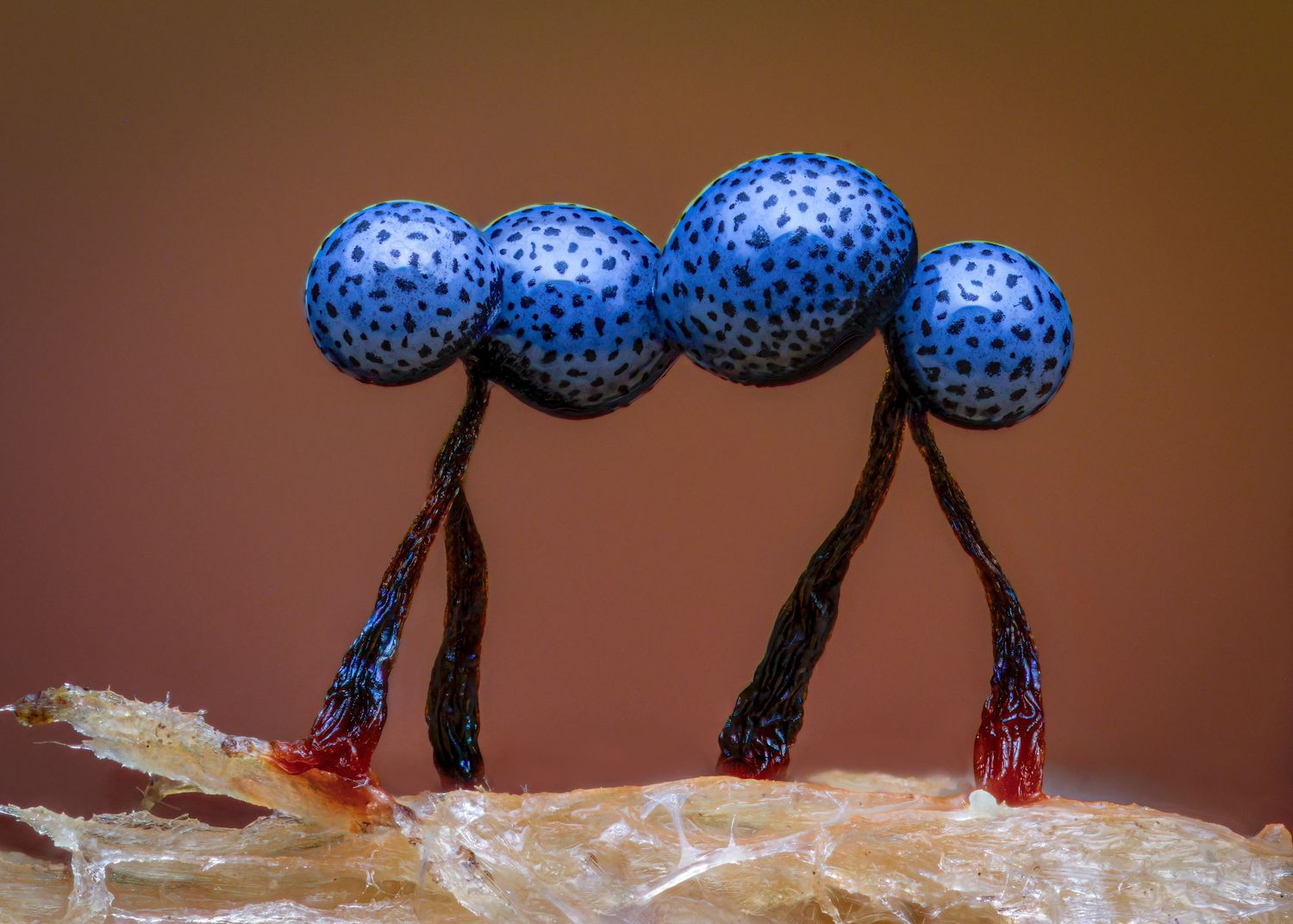
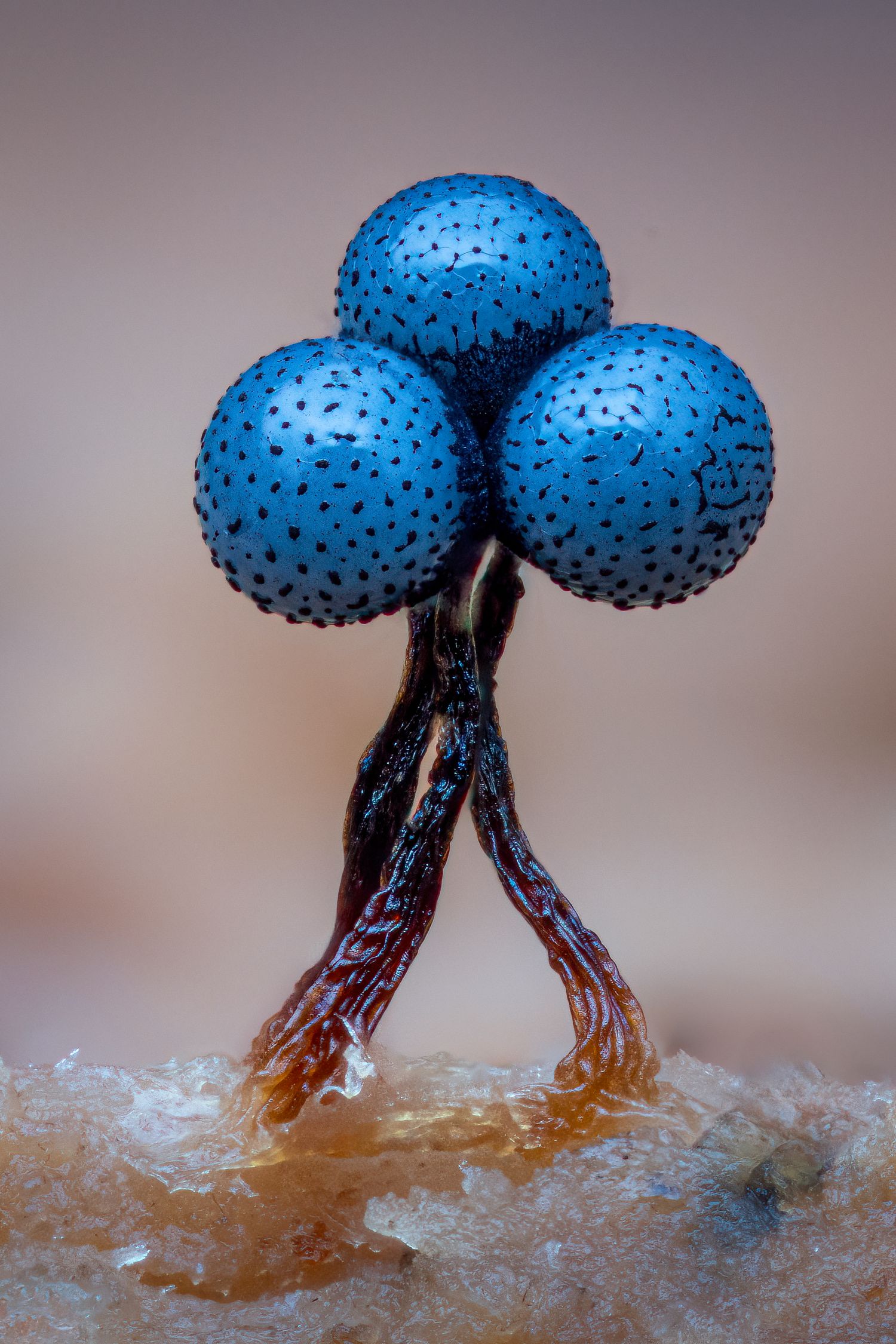
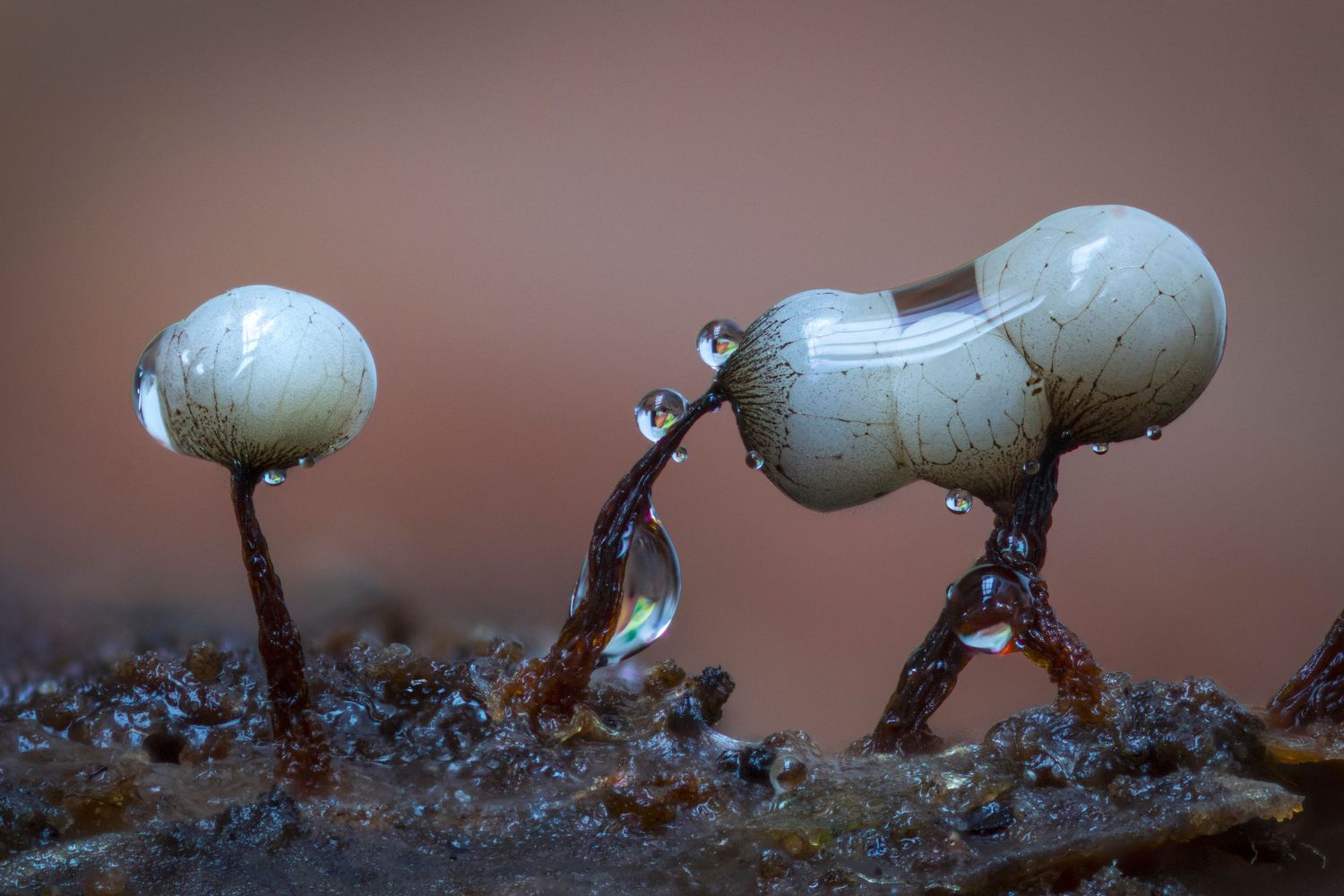
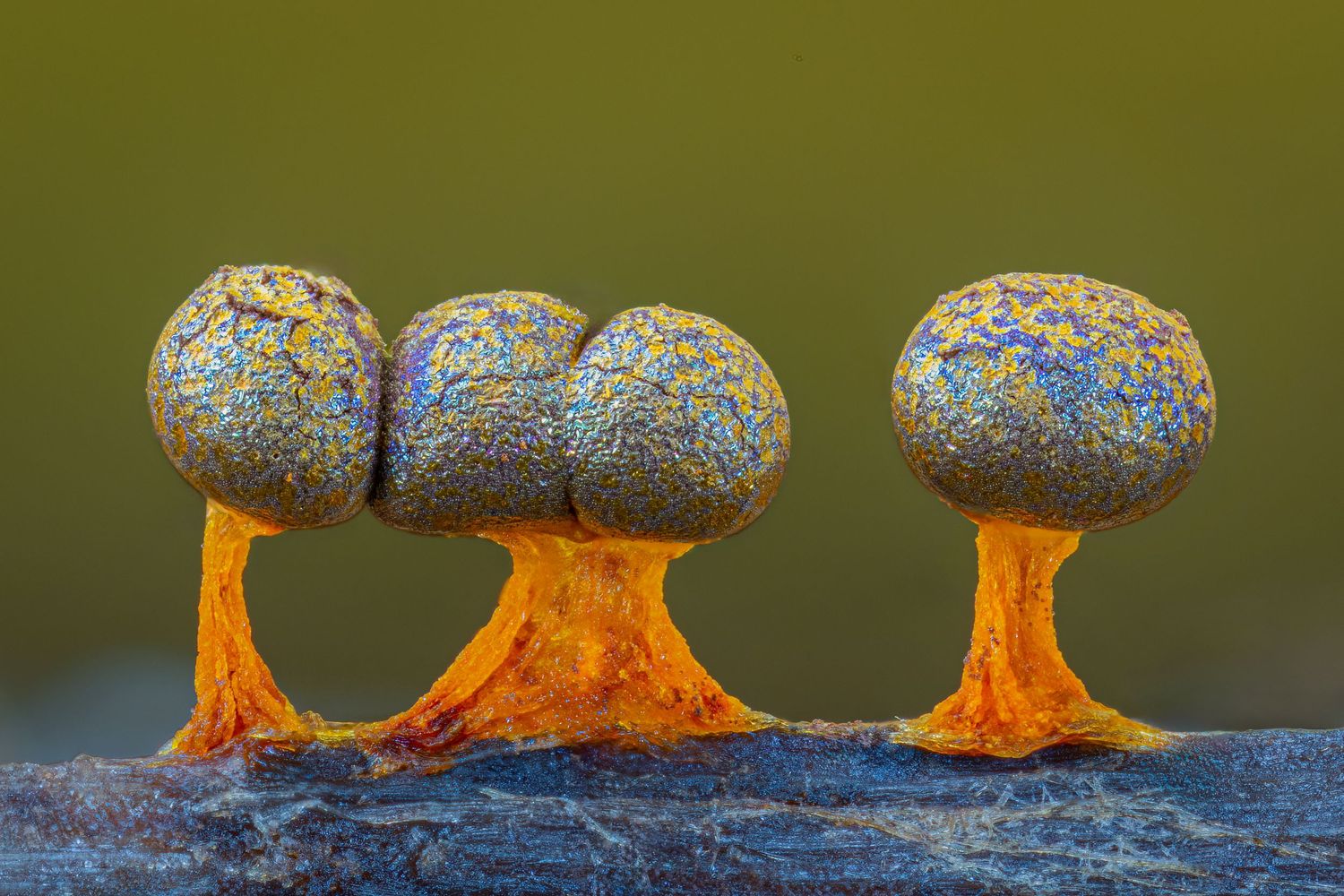
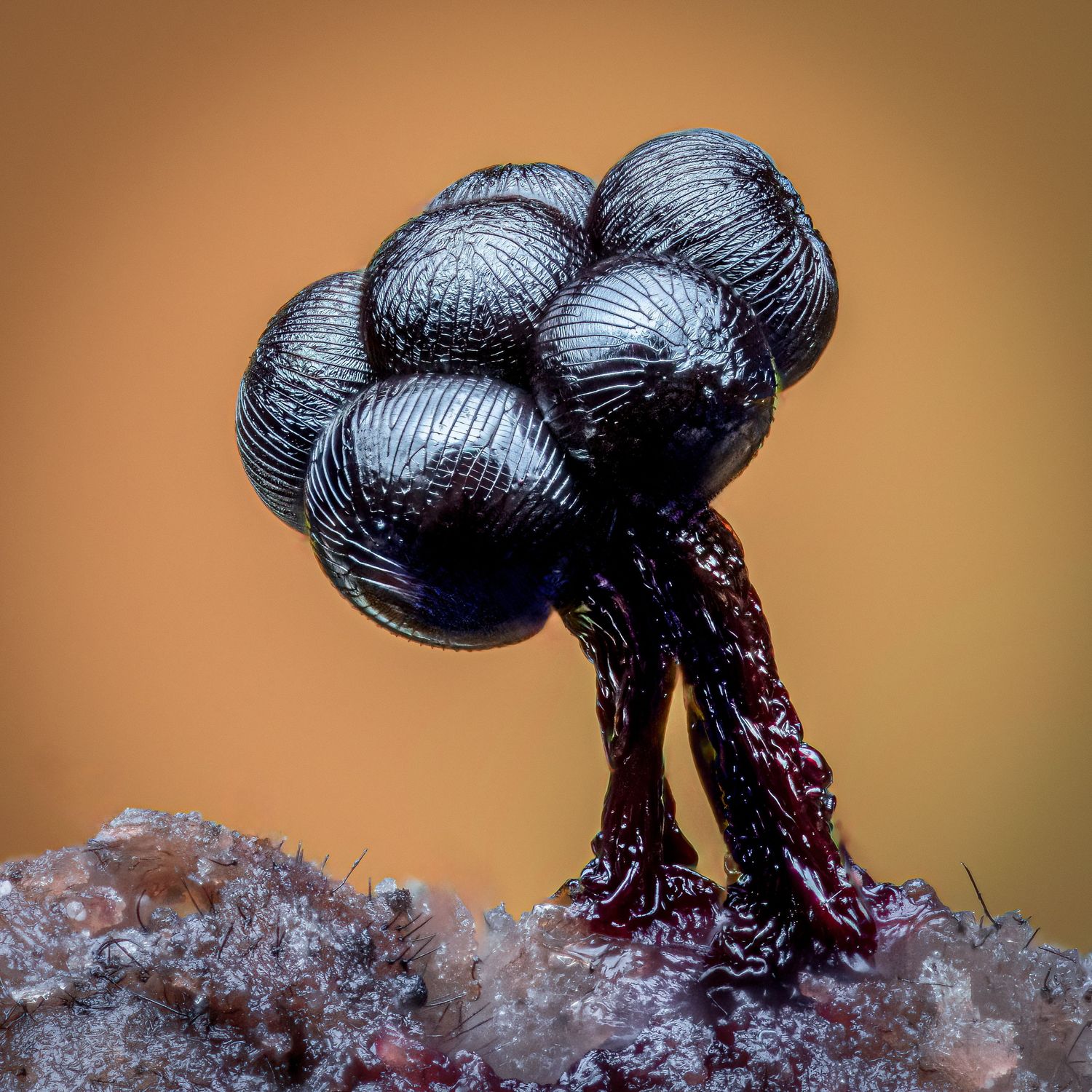
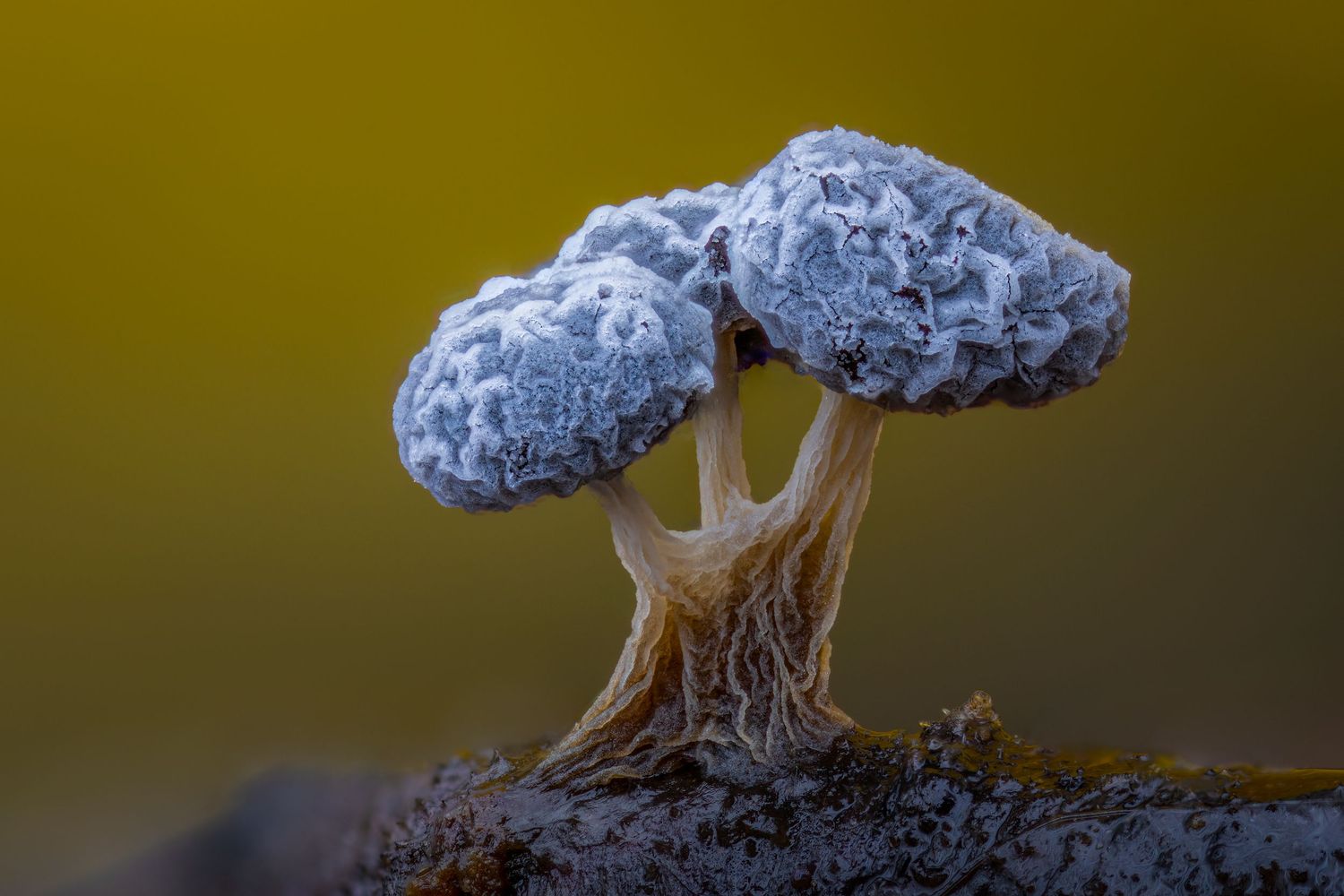
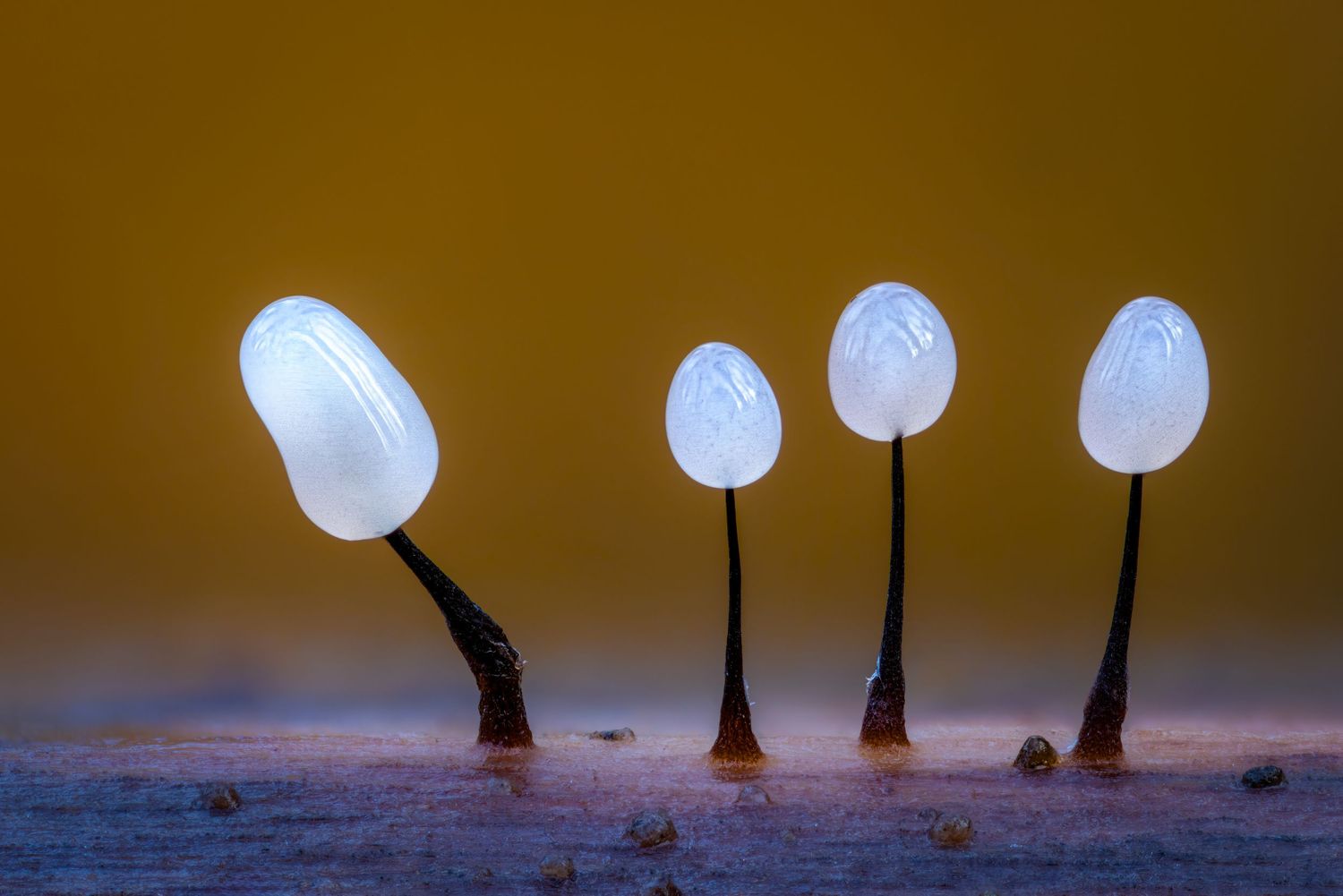
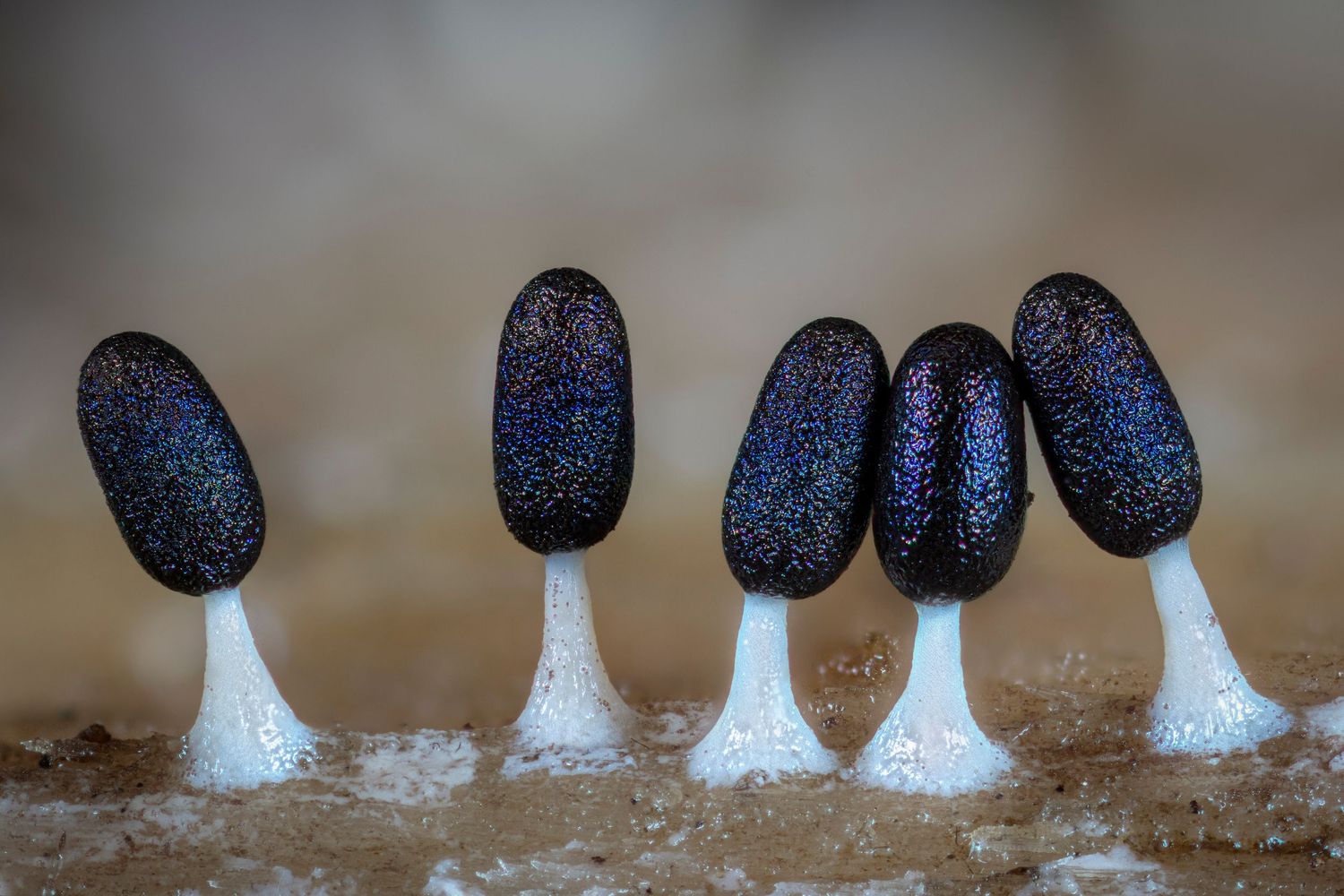
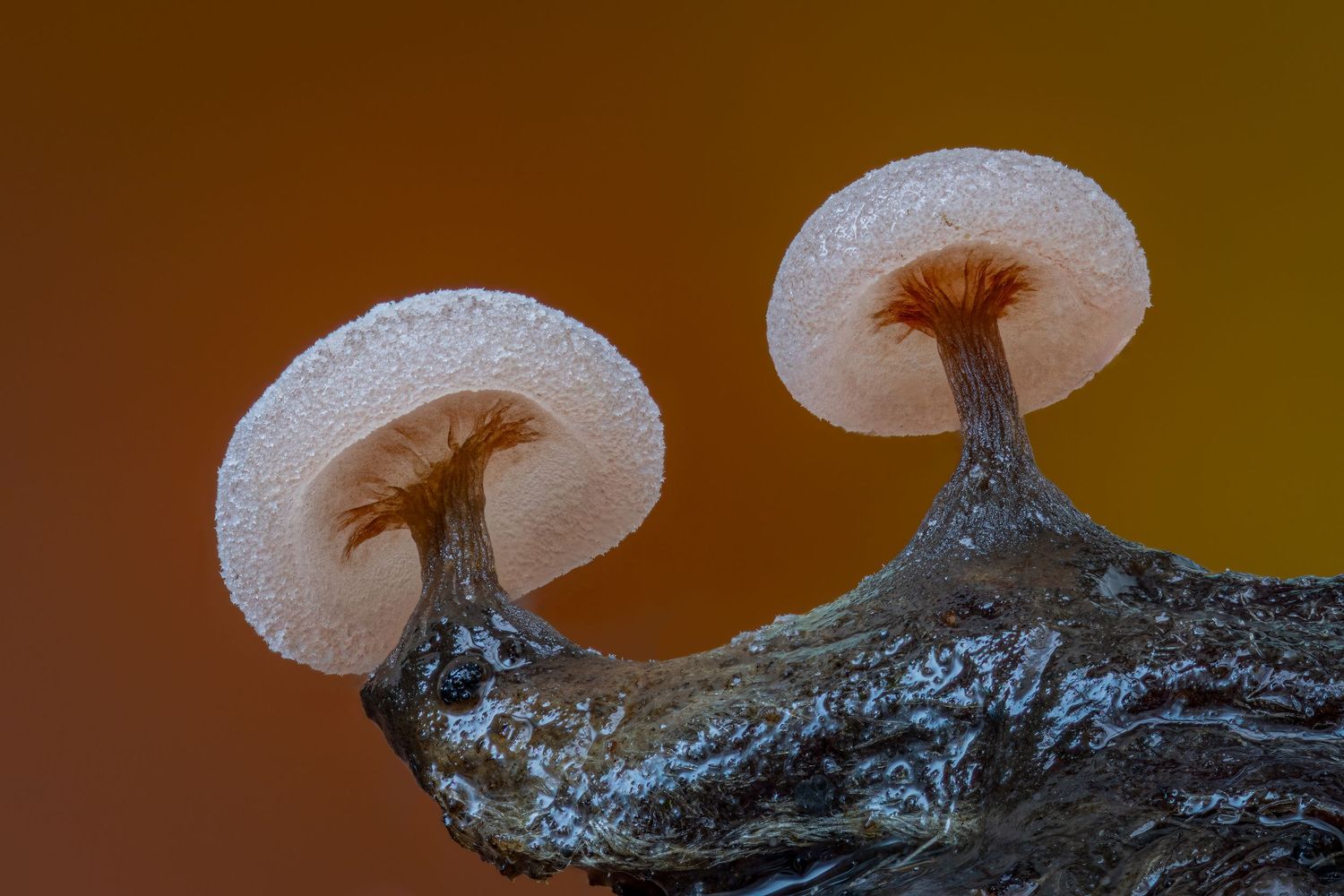
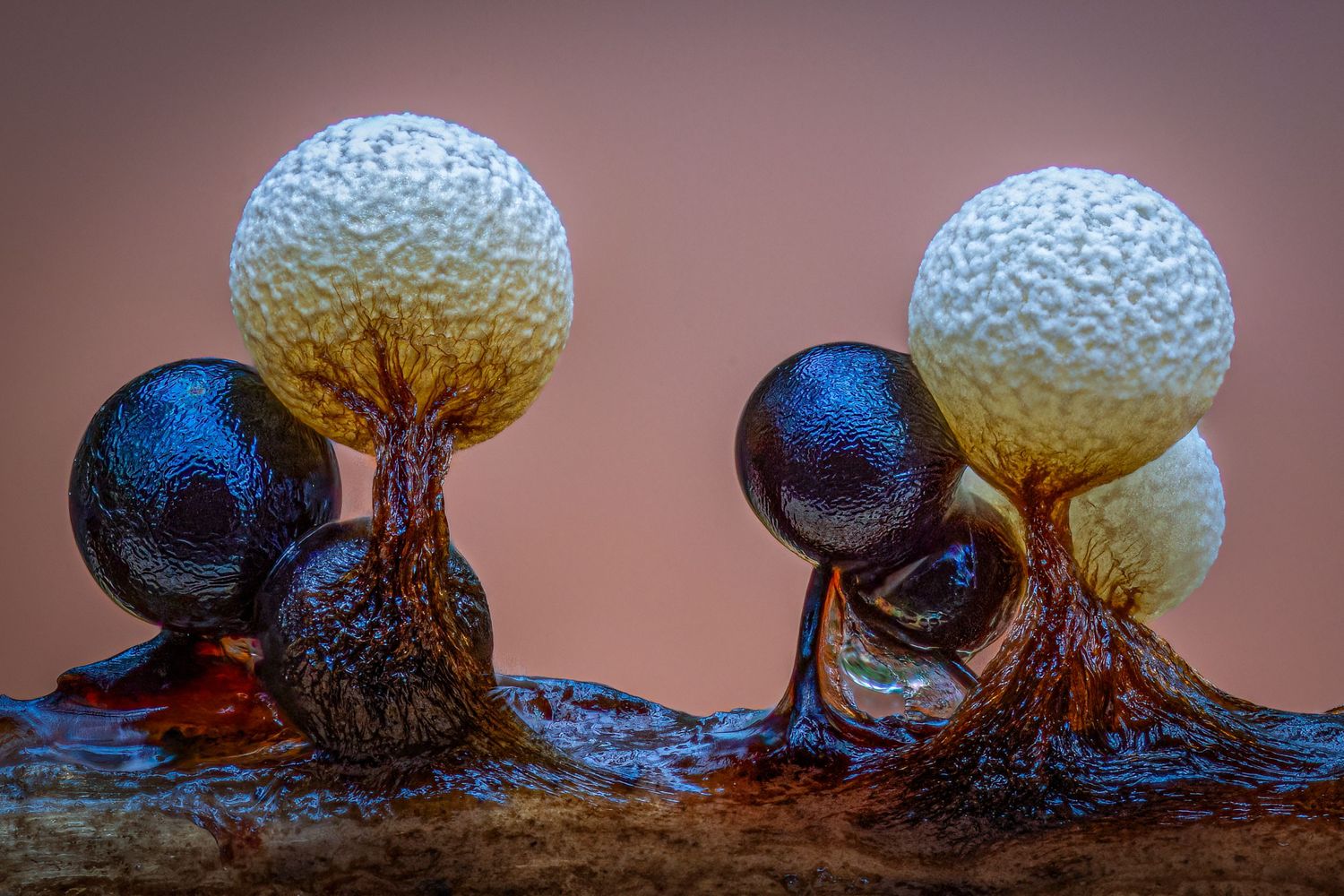
During workshops held between October and January, participants regularly encounter species such as Craterium minutum, Lamproderma scintillans, Physarum album, Diachea leucopodia, Comatricha nigra, and Didymium clavus. These species are particularly sought after for their delicate textures, metallic iridescence, and distinctive fruiting bodies, providing exceptional subjects for close-up and focus-stacked photography.
Winter conditions can add an extra layer of magic, with frost, ice crystals, and low-angle light creating unique photographic opportunities. Species such as Lamproderma scintillans often appear at their most spectacular during colder periods, while many Didymium and Physarum species thrive in the damp woodland environment.
Please get in touch..