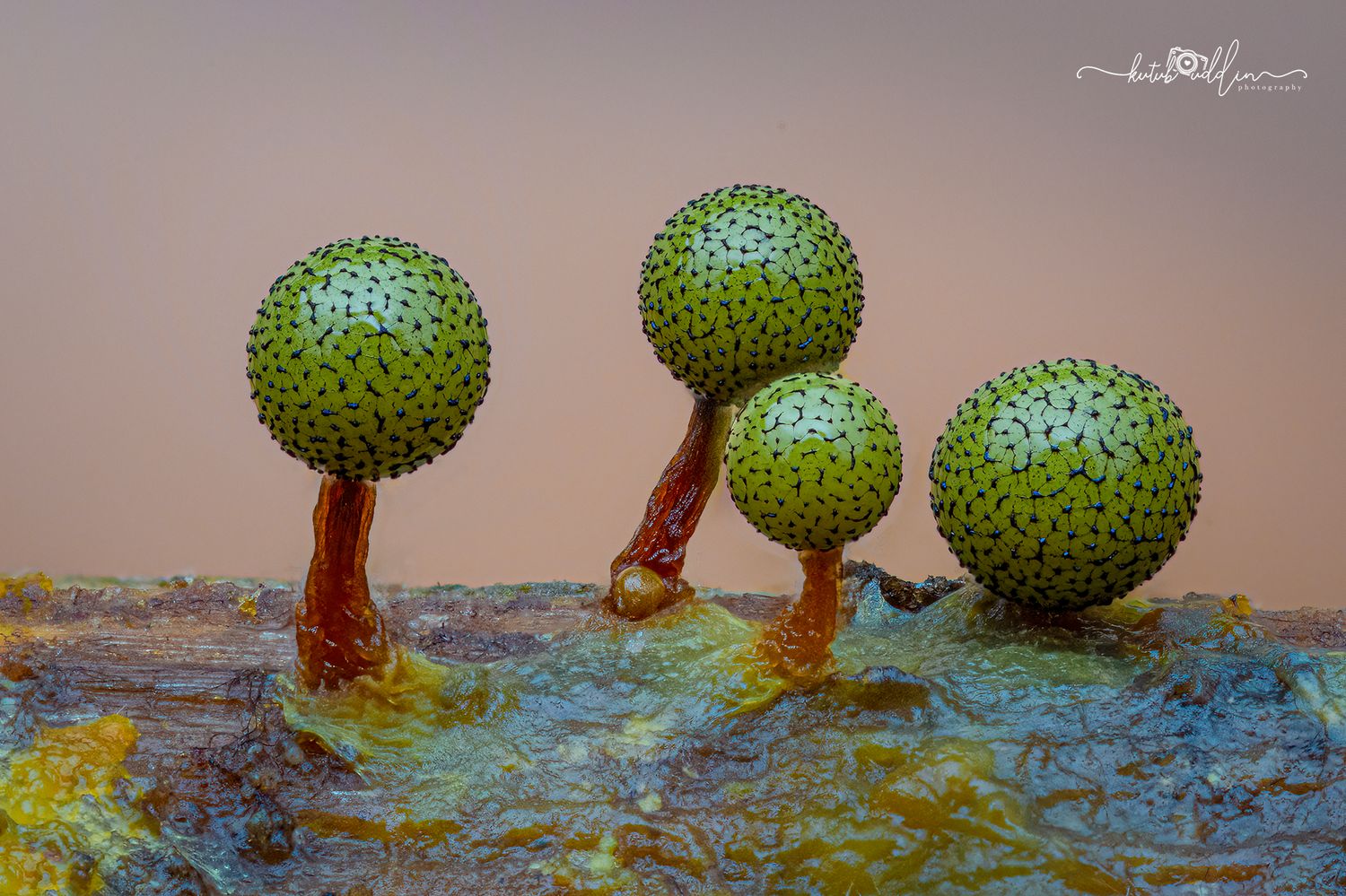
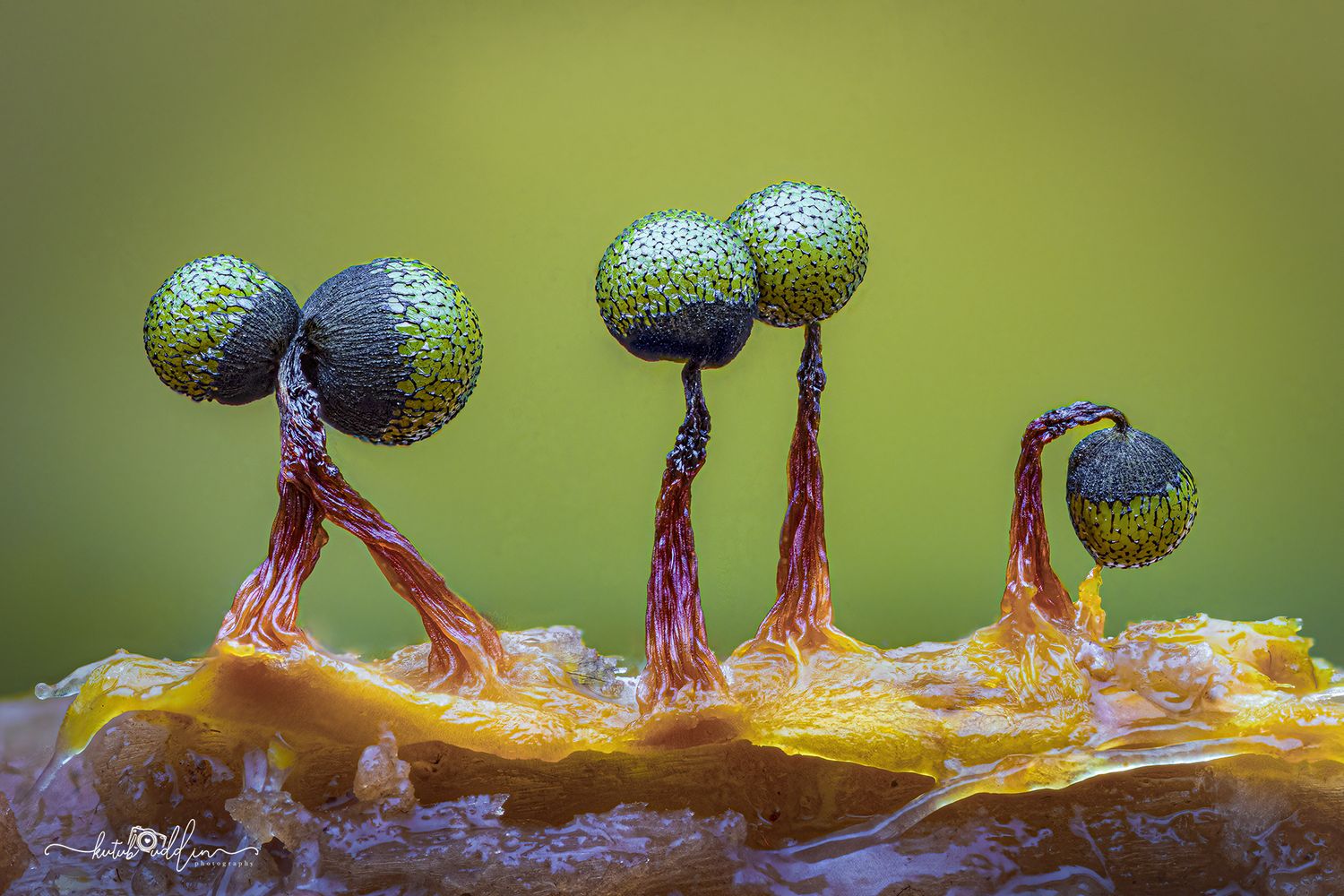
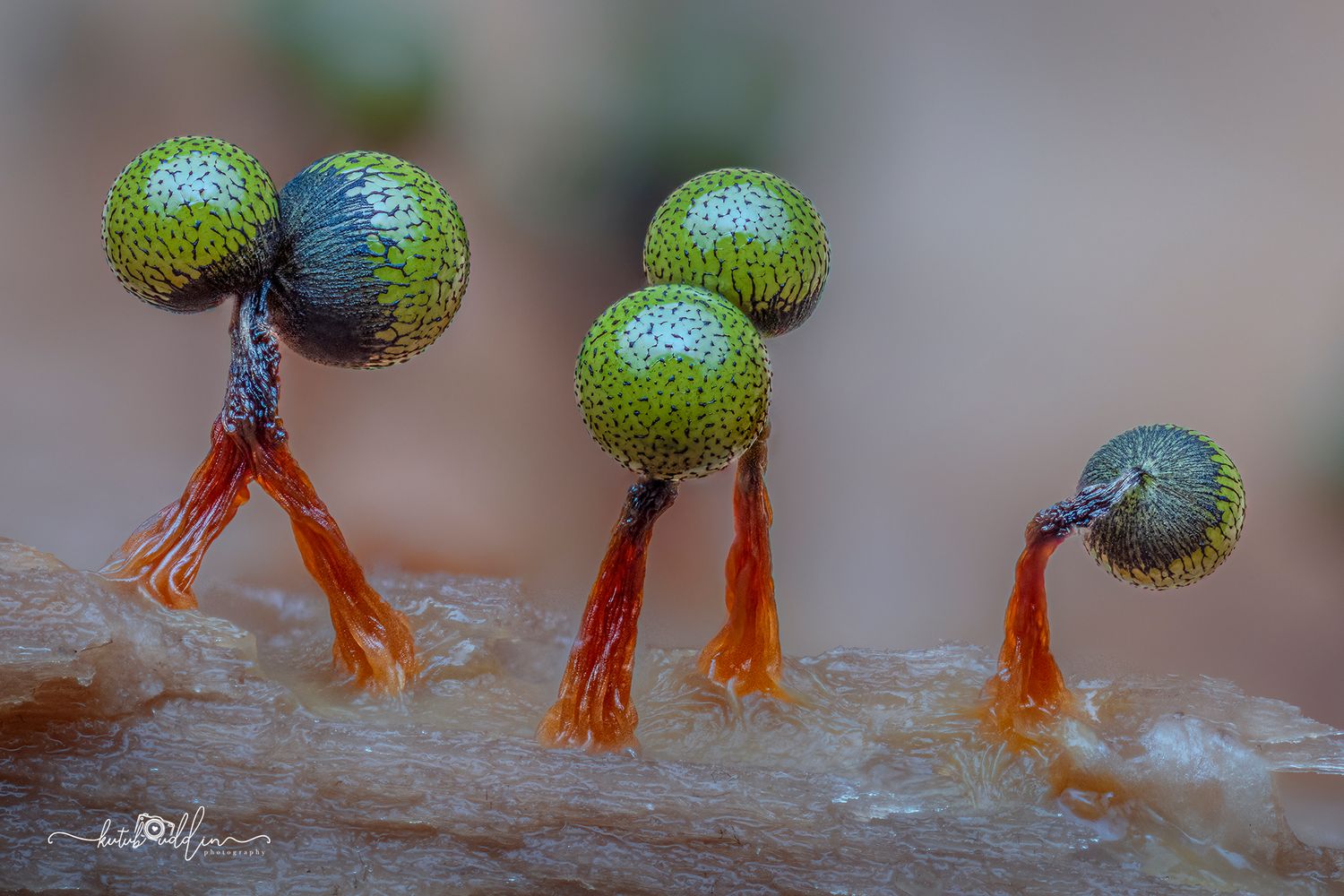
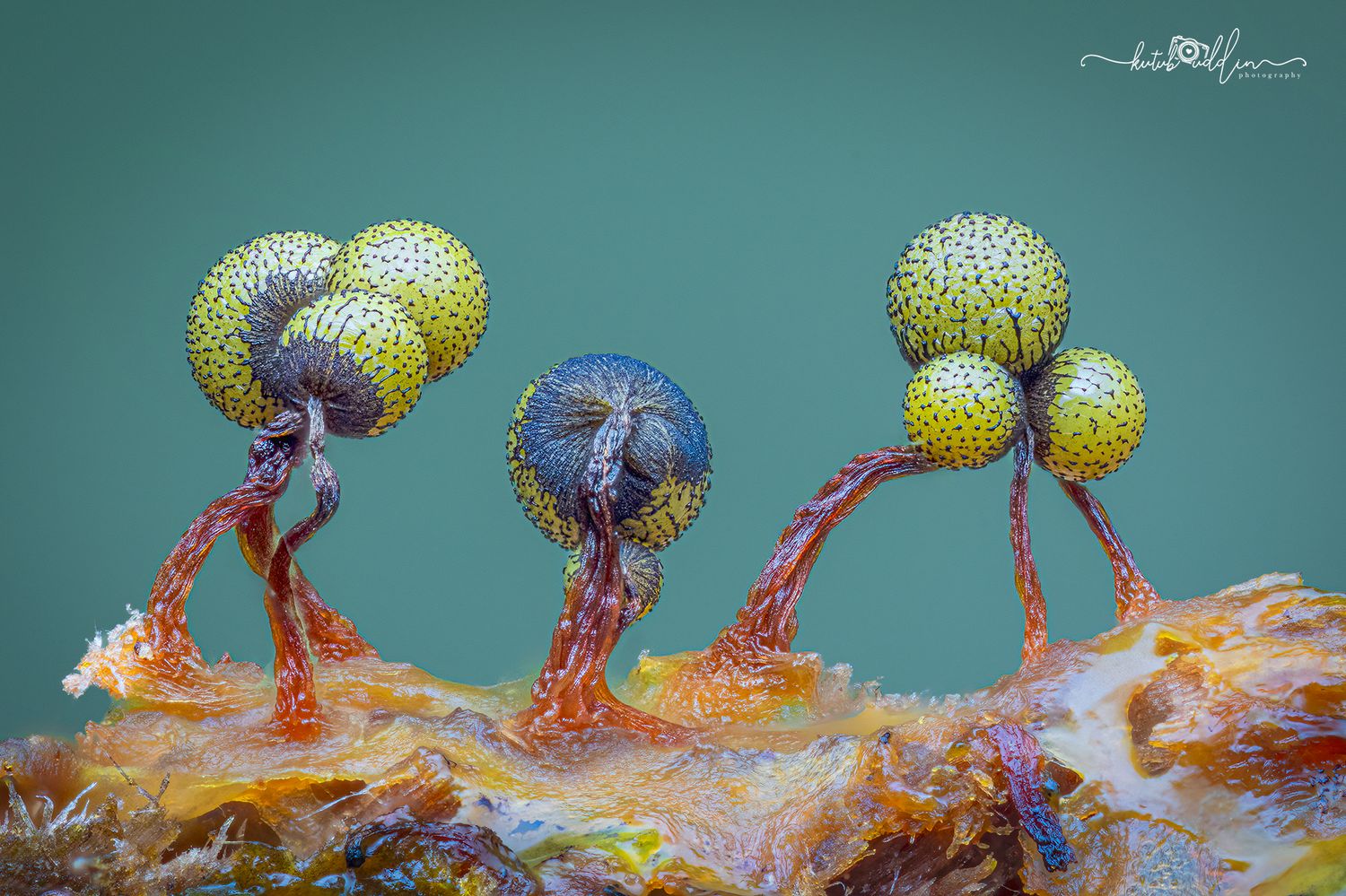
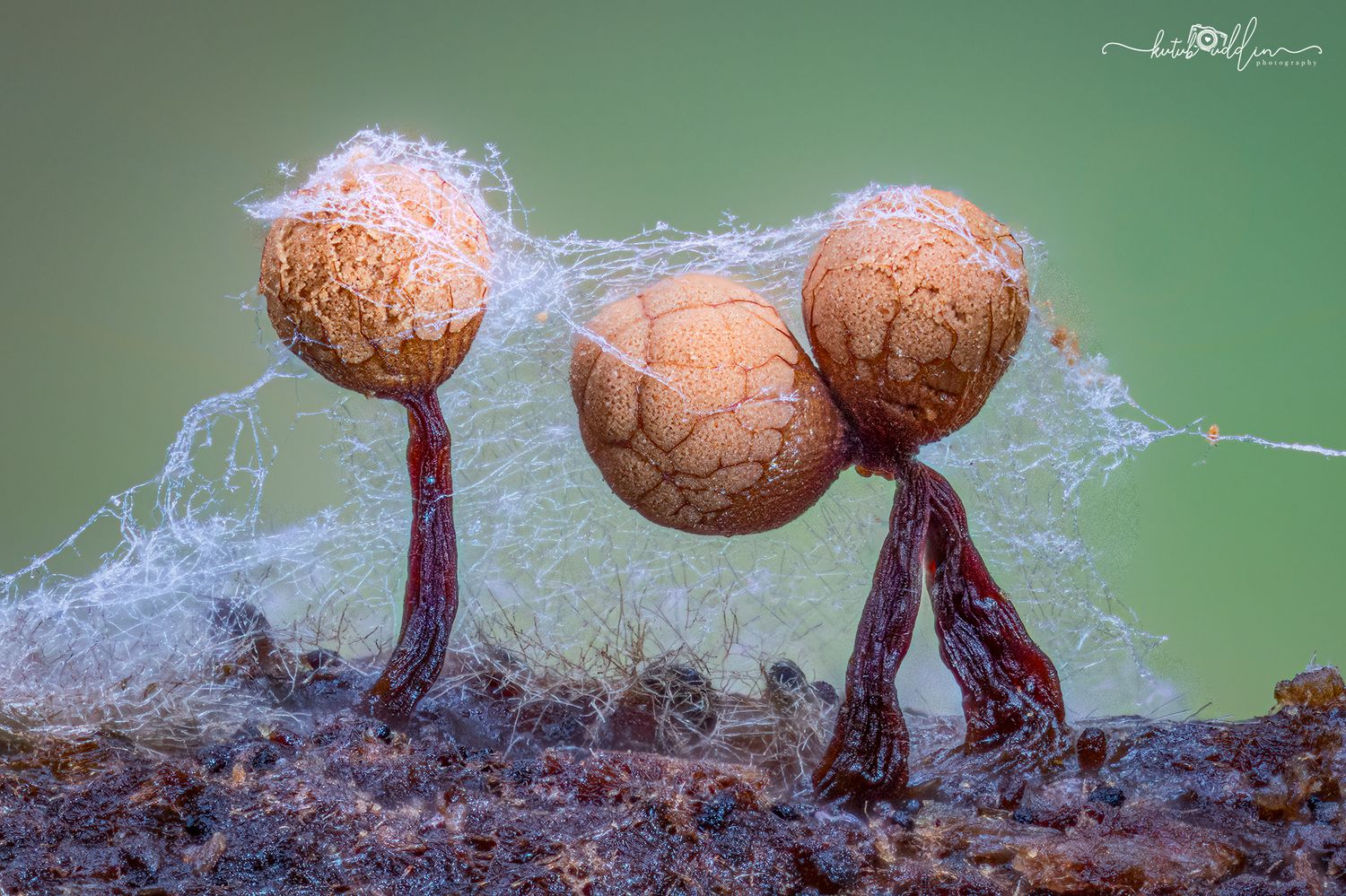
Cribraria aurantiaca
Location: Pulborough, West Sussex, UK
Habitat: Growing on decaying pine logs
When Found: August–September 2025
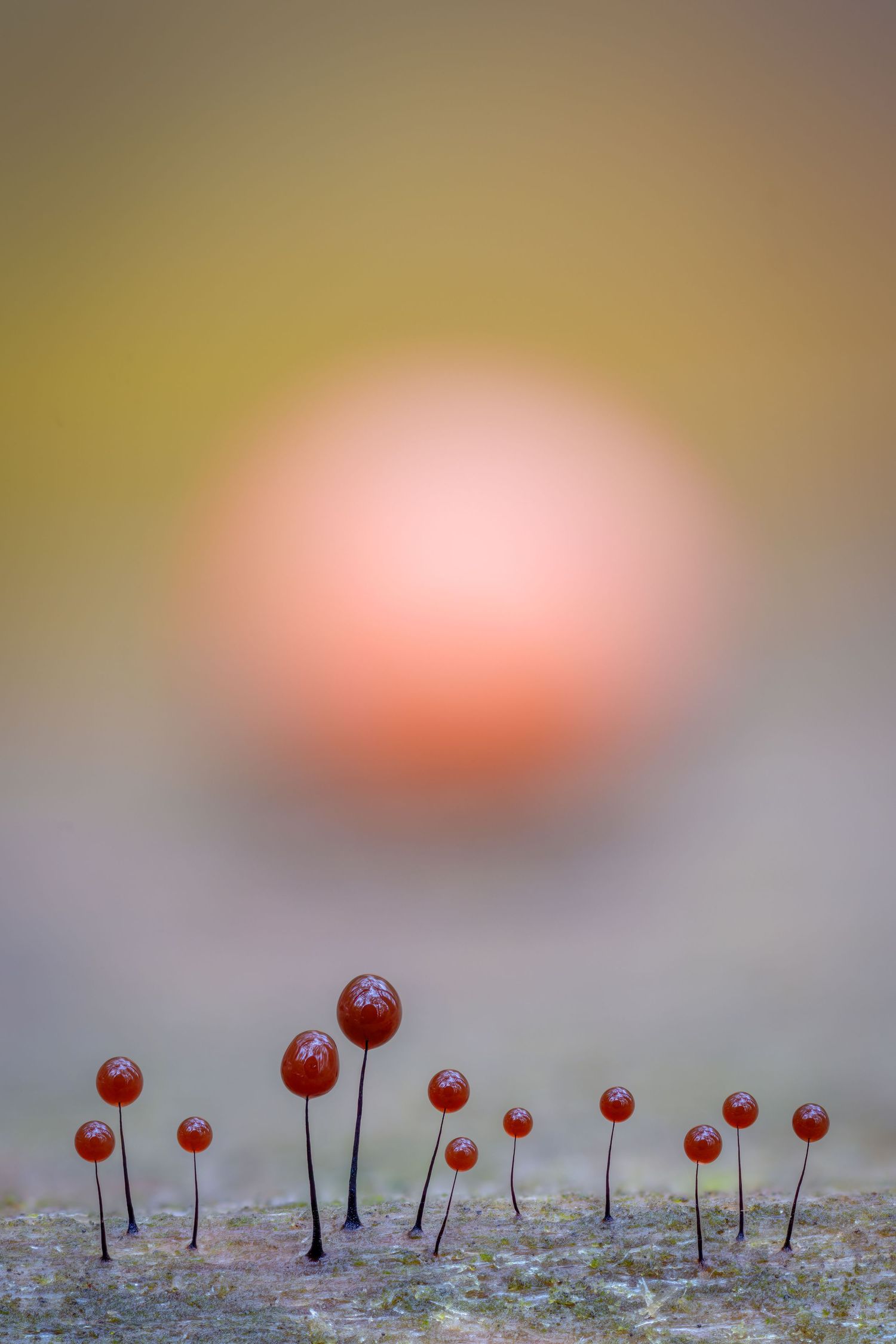
Cribraria aurantiaca is a beautiful and delicate slime mold species that I discovered on decaying pine logs at Pulborough during late summer 2025. The fruiting bodies are extremely small, often measuring only around 1–2 mm in height, making them easy to overlook without careful observation.
This species is particularly striking when immature, displaying vibrant orange colours before developing into its characteristic net-like structure. Found during August and September, it appeared in small clusters across the surface of rotting pine wood, thriving in the warm and damp conditions of late summer.
Photographing Cribraria aurantiaca requires patience and focus stacking due to its tiny size. Up close, the intricate details reveal a remarkable level of complexity and beauty that is invisible to the naked eye. It remains one of my favourite Cribraria species and a wonderful example of the hidden micro-world that exists within our woodlands.
Cribraria rufa
Location: Hesworth Common, Fittleworth, West Sussex, UK
Habitat: Growing on decaying pine logs
When Found: July–September 2025
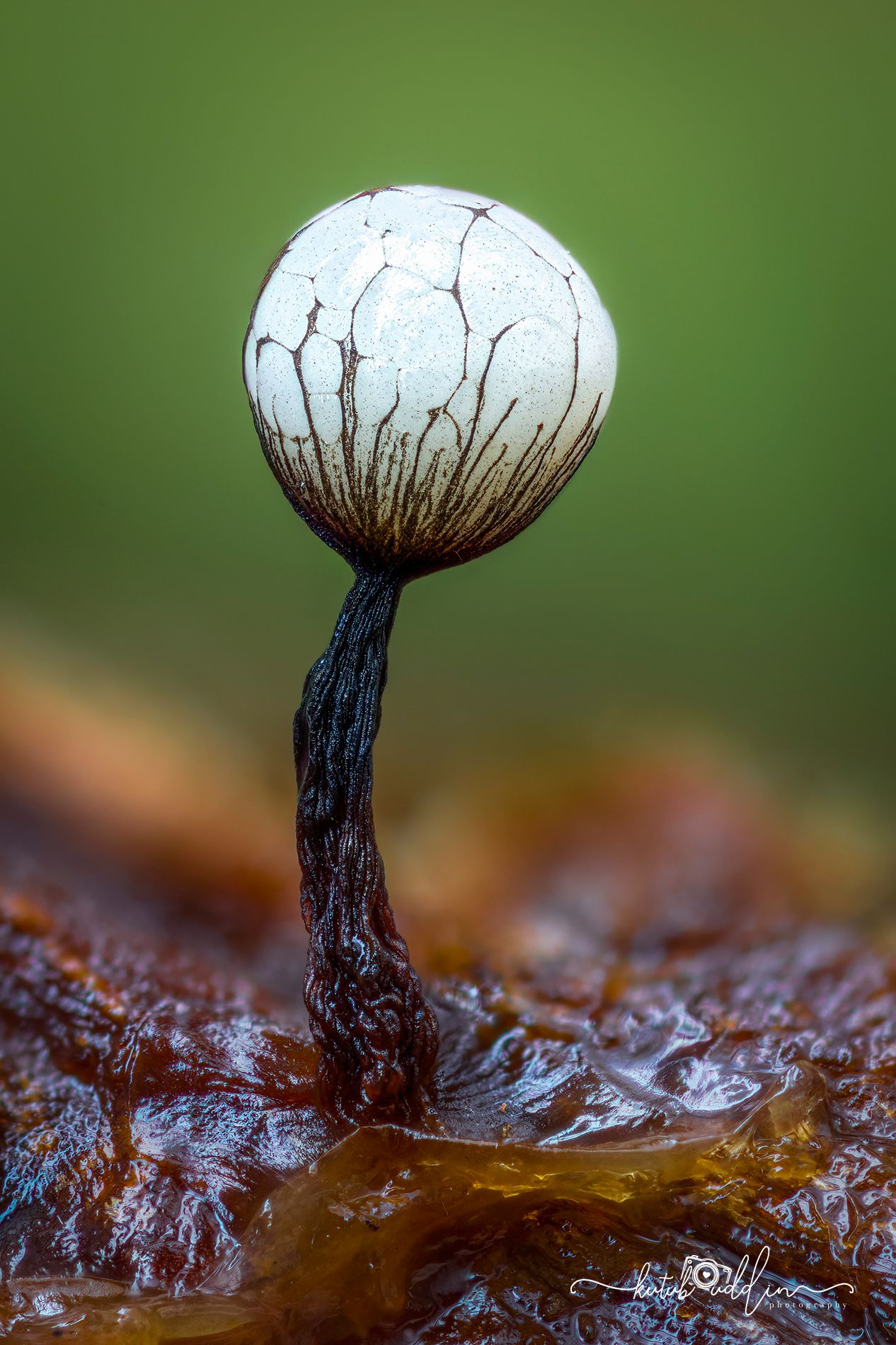
Cribraria rufa is a delicate and beautiful slime mold species that I found on decaying pine logs at Hesworth Common during the summer of 2025. Its tiny fruiting bodies, often only a millimetres tall, can easily be overlooked amongst the bark and wood debris.
This species is known for its attractive reddish-brown colouration and intricate net-like structure, which becomes visible when viewed under magnification. Growing in small clusters on well-rotted pine wood, it thrives in the warm and humid conditions often found during late summer.
Although tiny, Cribraria rufa displays remarkable detail and elegance. Through macro photography and focus stacking, its delicate architecture can be revealed, showcasing a hidden world rarely seen by the naked eye. Discovering species like this is one of the many reasons I enjoy exploring woodlands and documenting the incredible diversity of slime molds found in West Sussex.
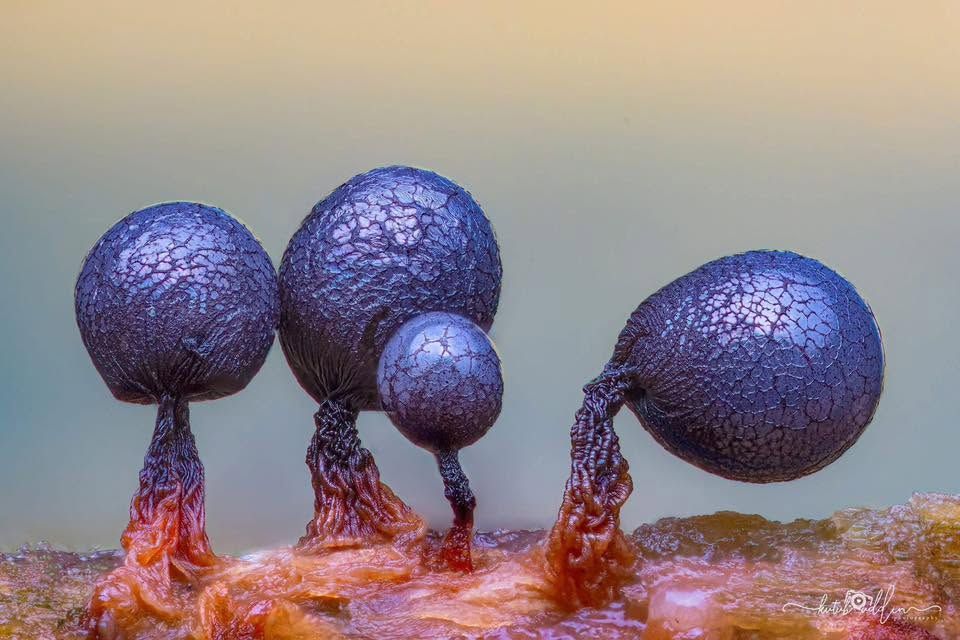
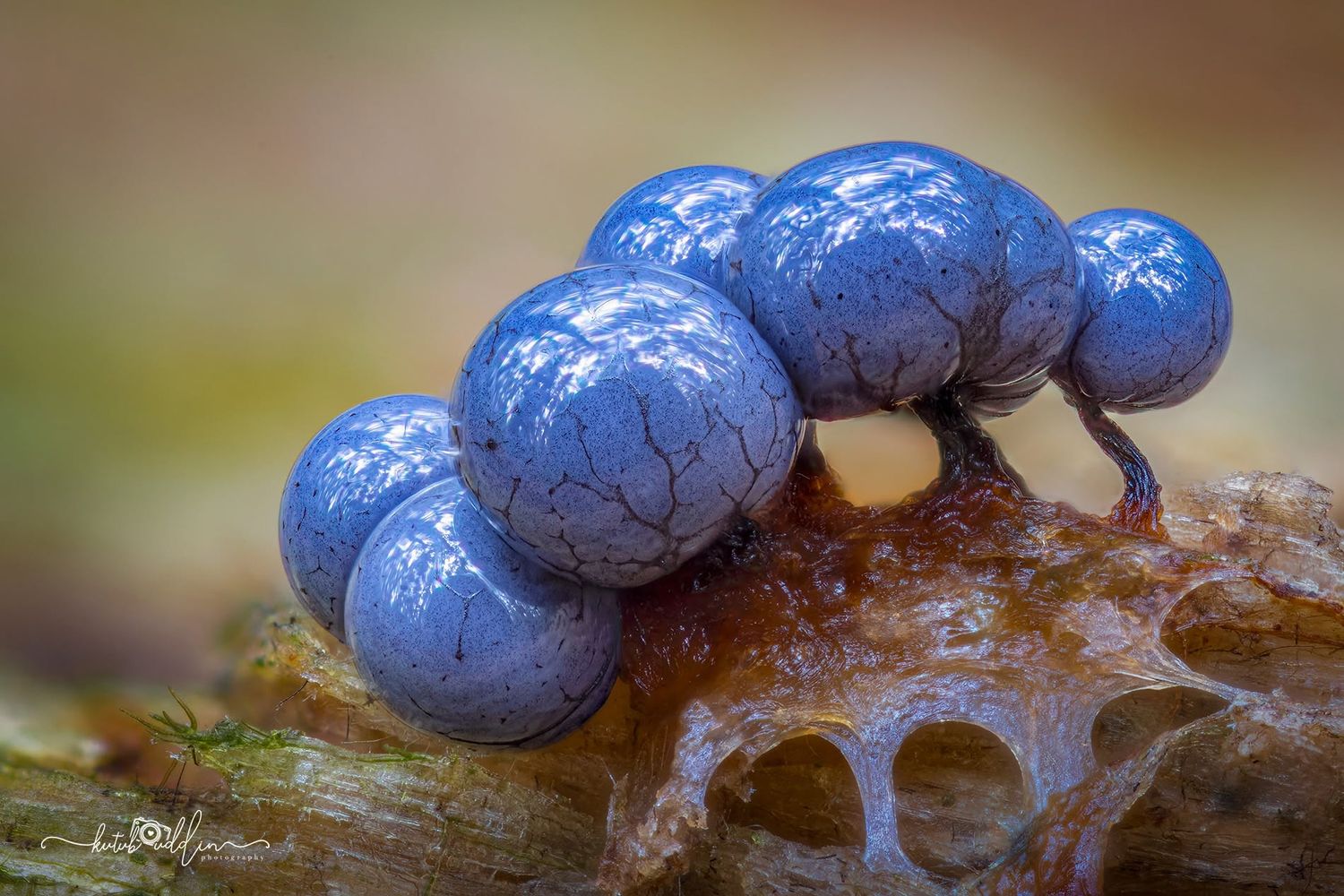
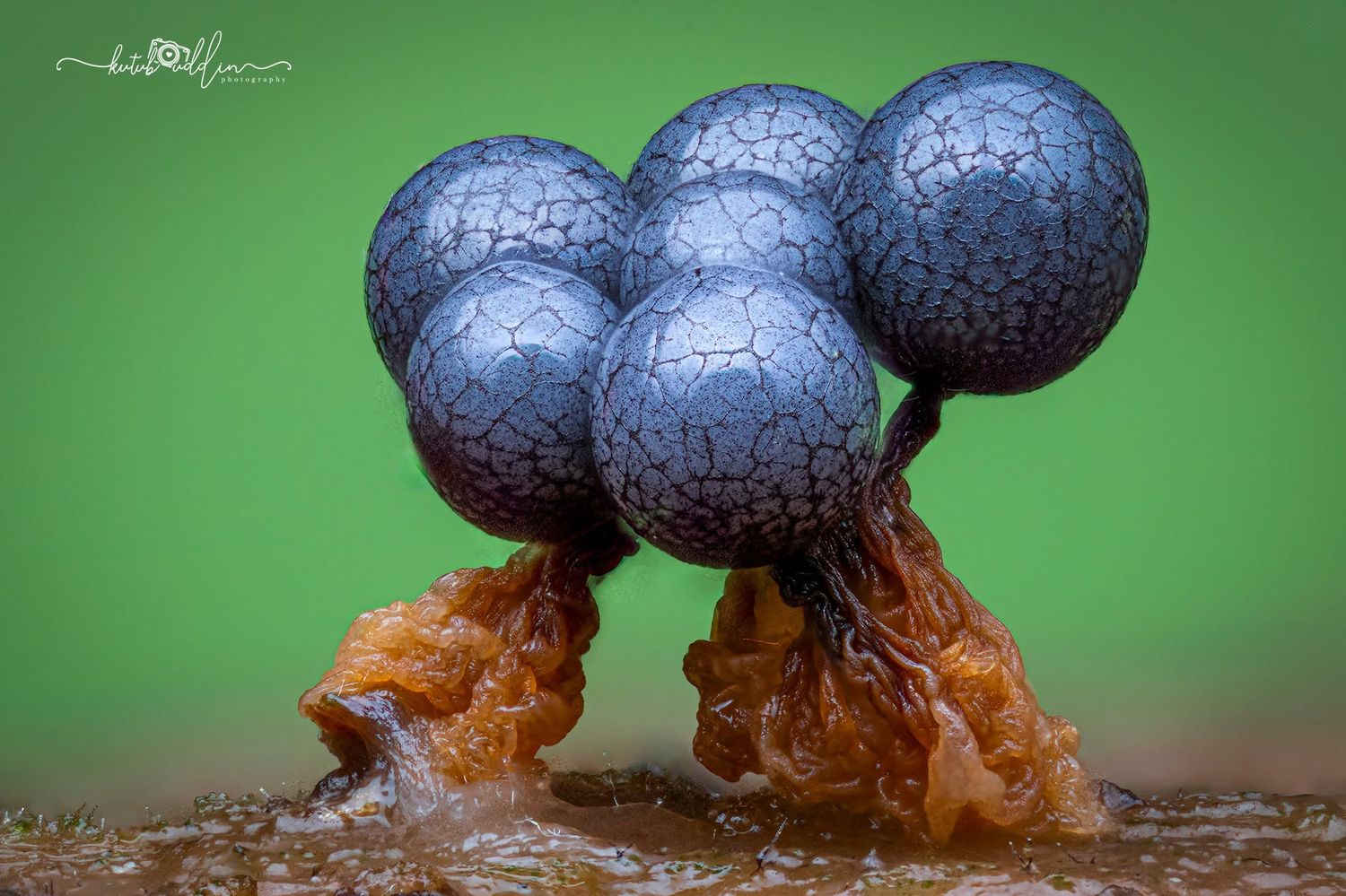
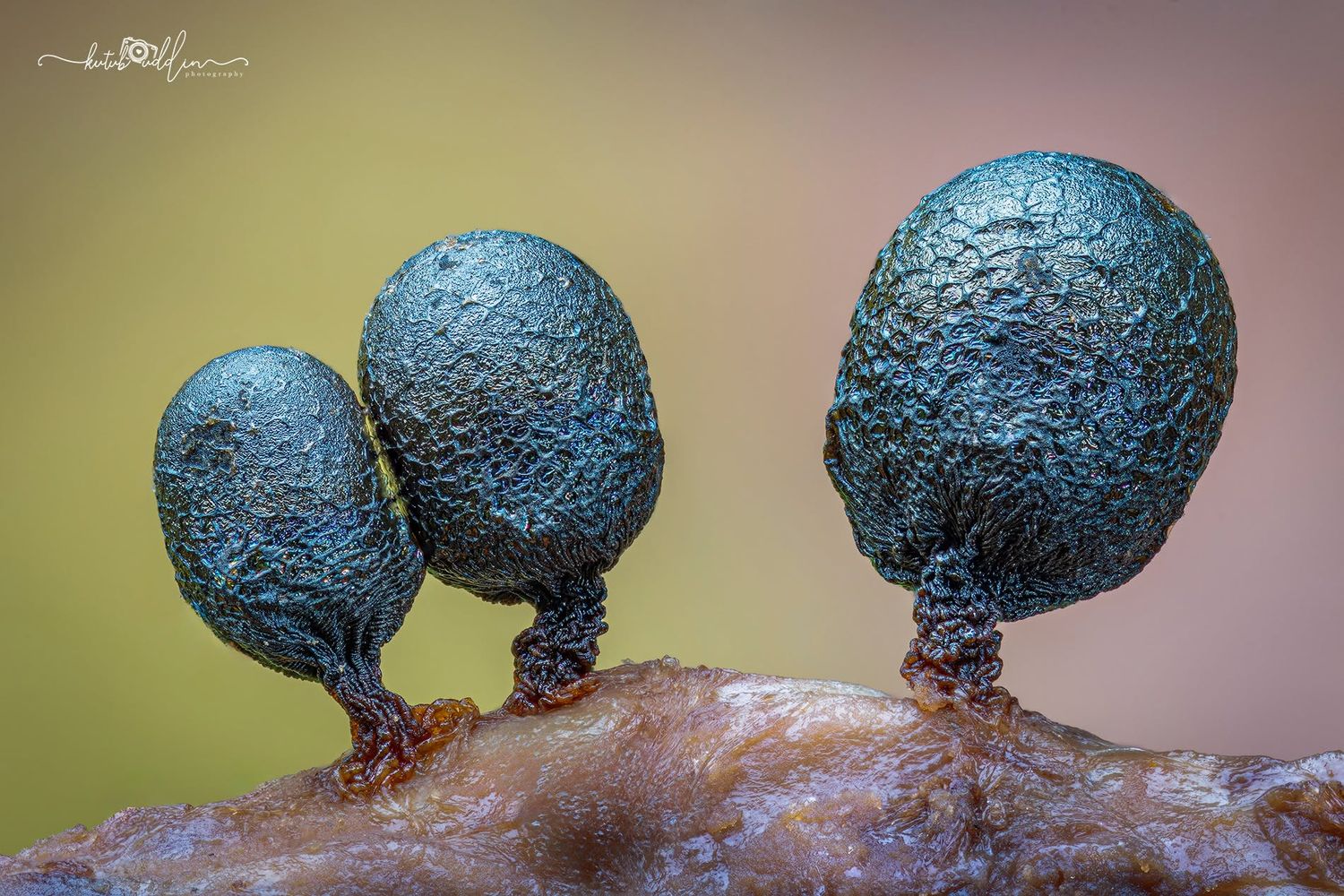
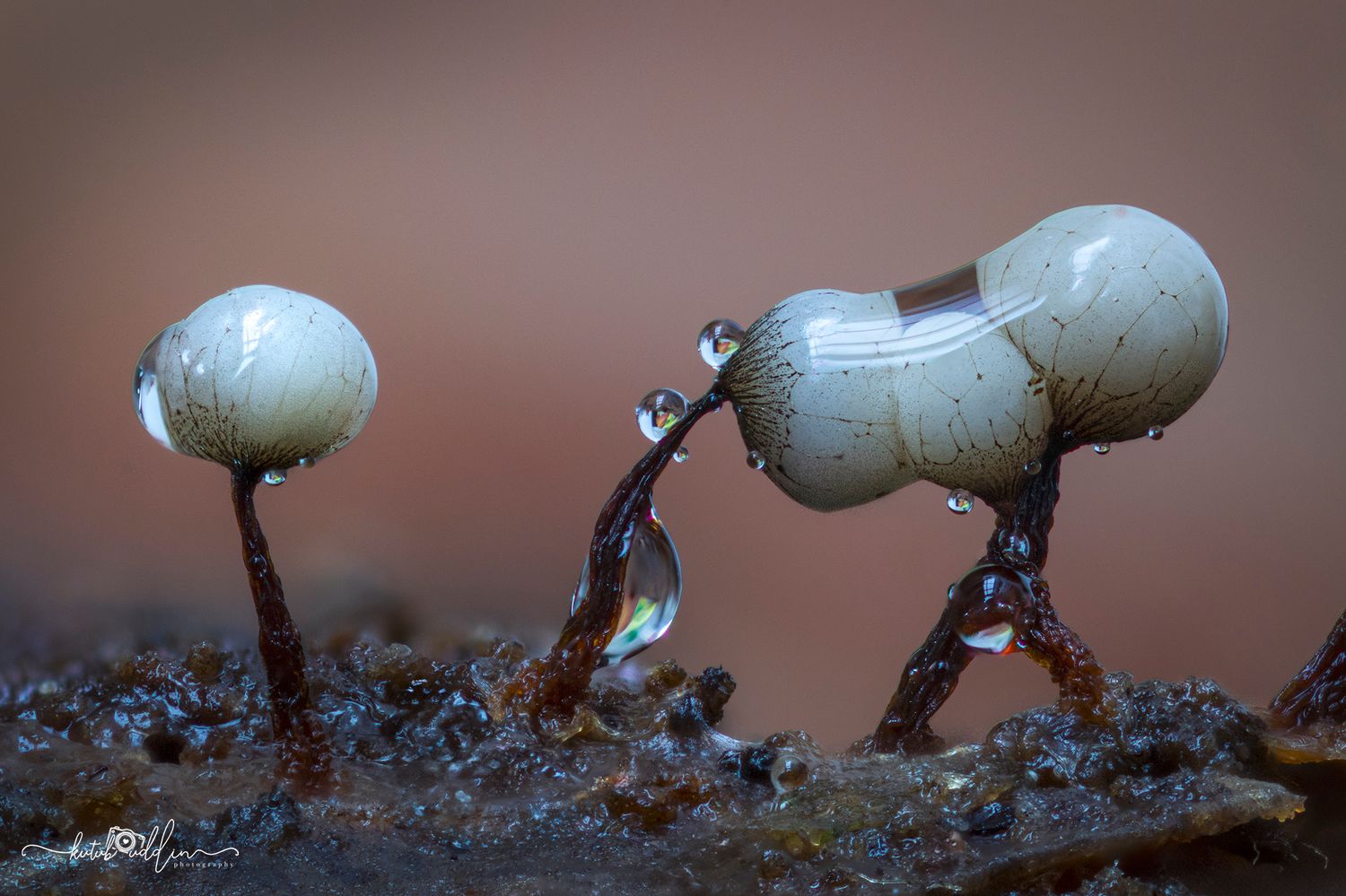
Cribraria argillacea
Location: Hesworth Common, Fittleworth, and Pulborough, West Sussex, UK
Habitat: Growing on decaying pine logs
When Found: Late June–September 2025
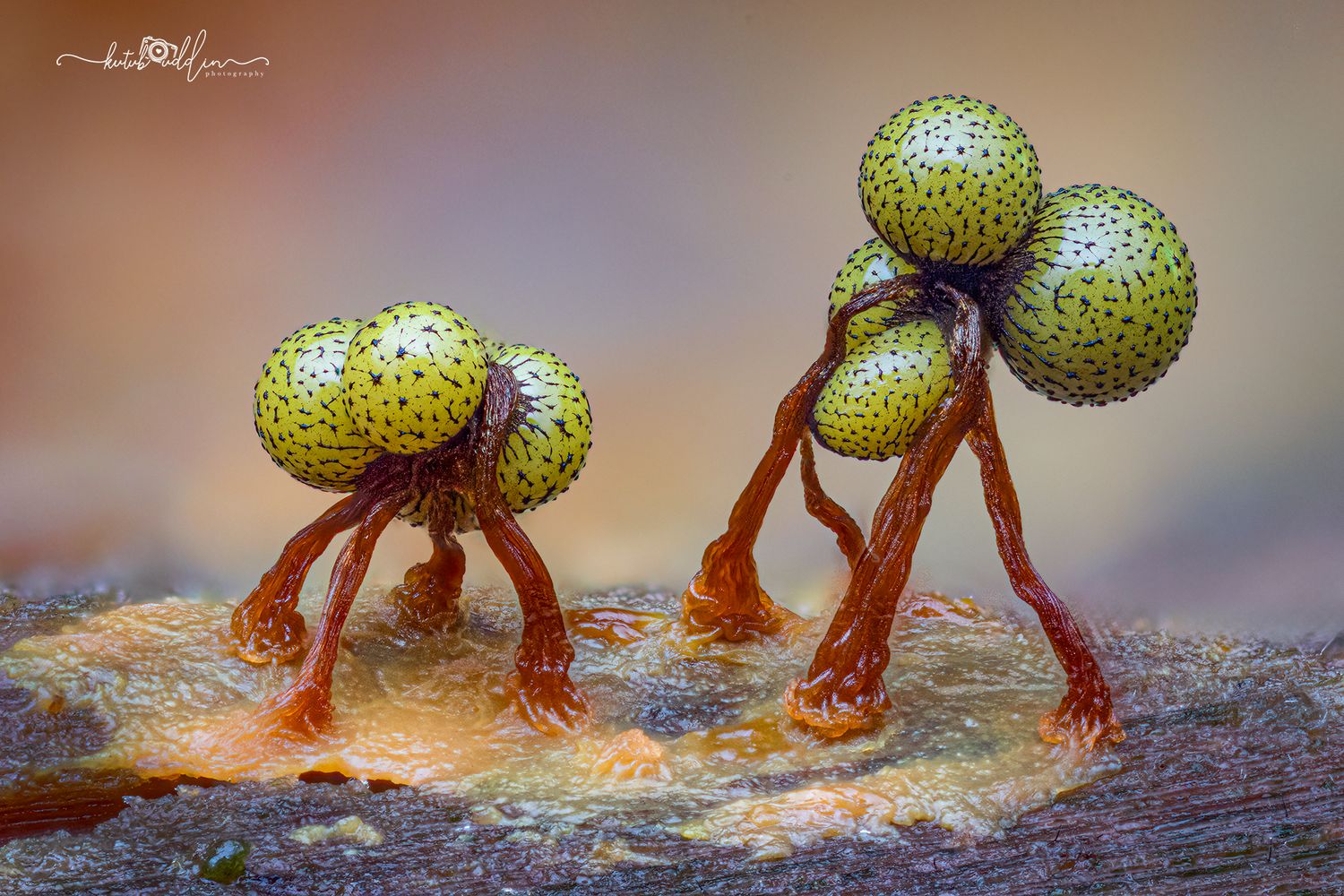
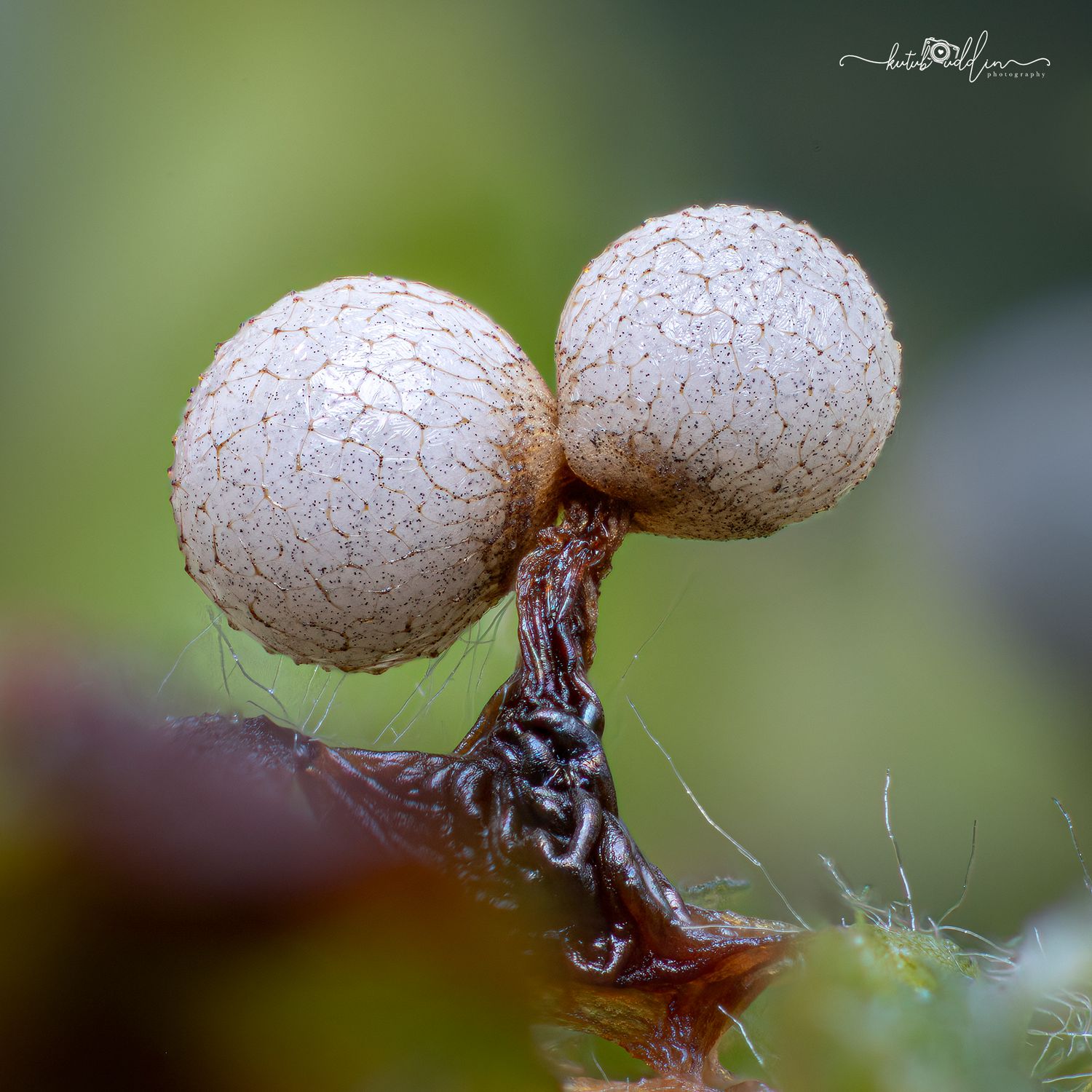
Cribraria argillacea is a delicate and fascinating slime mold species that I found on decaying pine logs in several locations across West Sussex during the summer of 2025. Its tiny fruiting bodies, typically measuring only 1–2 mm in height, are easily overlooked amongst bark, moss, and woodland debris.
This species is particularly attractive when viewed under magnification, revealing its intricate net-like structure and beautifully formed spherical sporangia. It often grows in small clusters on well-rotted pine wood, thriving in the warm and humid conditions of late summer.
Although miniature in size, Cribraria argillacea possesses remarkable detail and elegance. Through macro photography and focus stacking, its delicate architecture becomes visible, exposing a hidden world that would otherwise remain unseen. The fine lattice-like framework of the fruiting bodies is a perfect example of the extraordinary complexity found within slime molds.
Discovering and photographing species such as Cribraria argillacea continues to fuel my passion for slime molds. They remind me that some of nature's most beautiful creations exist at a scale that most people never notice, hidden away on decaying logs in our local woodlands.
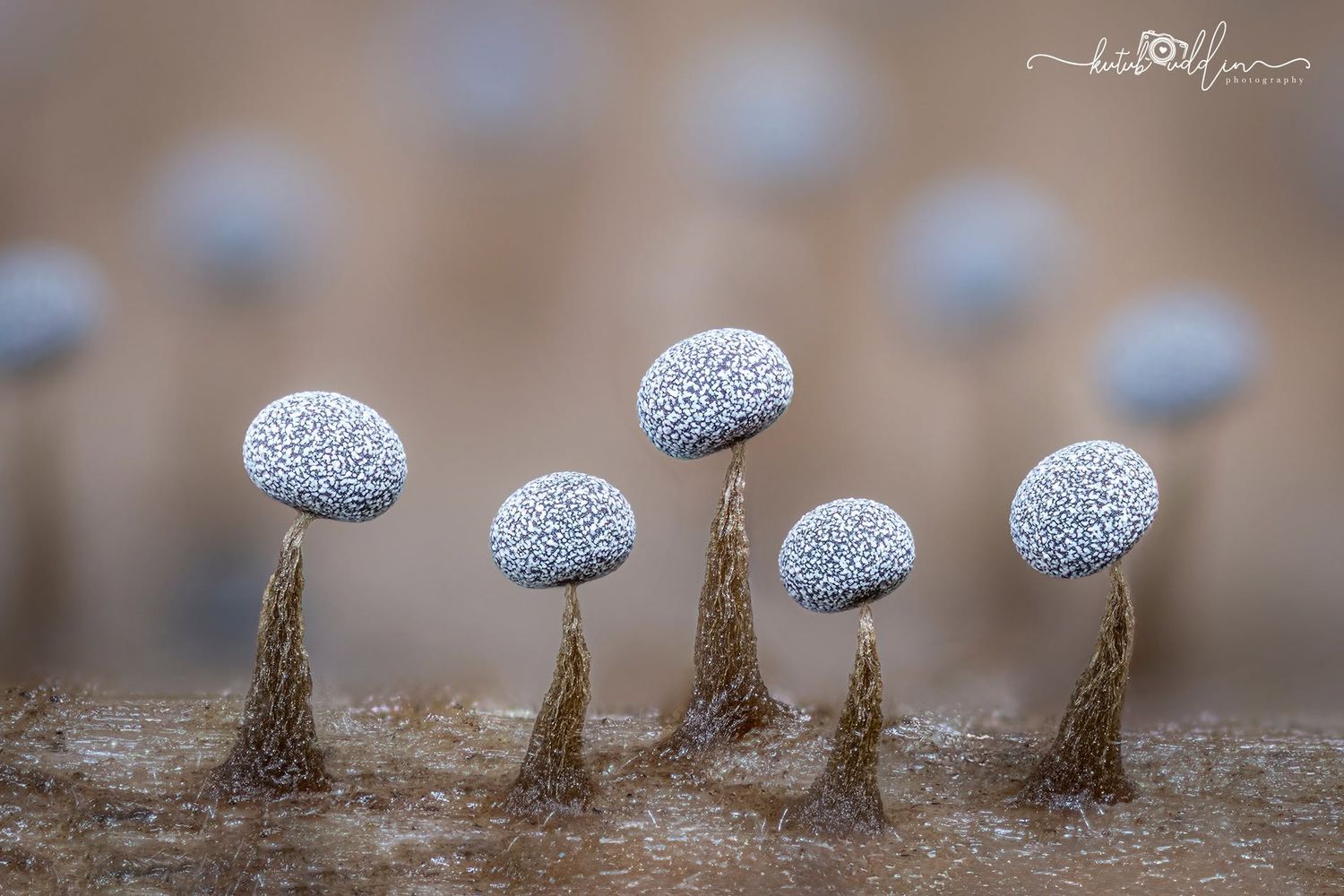
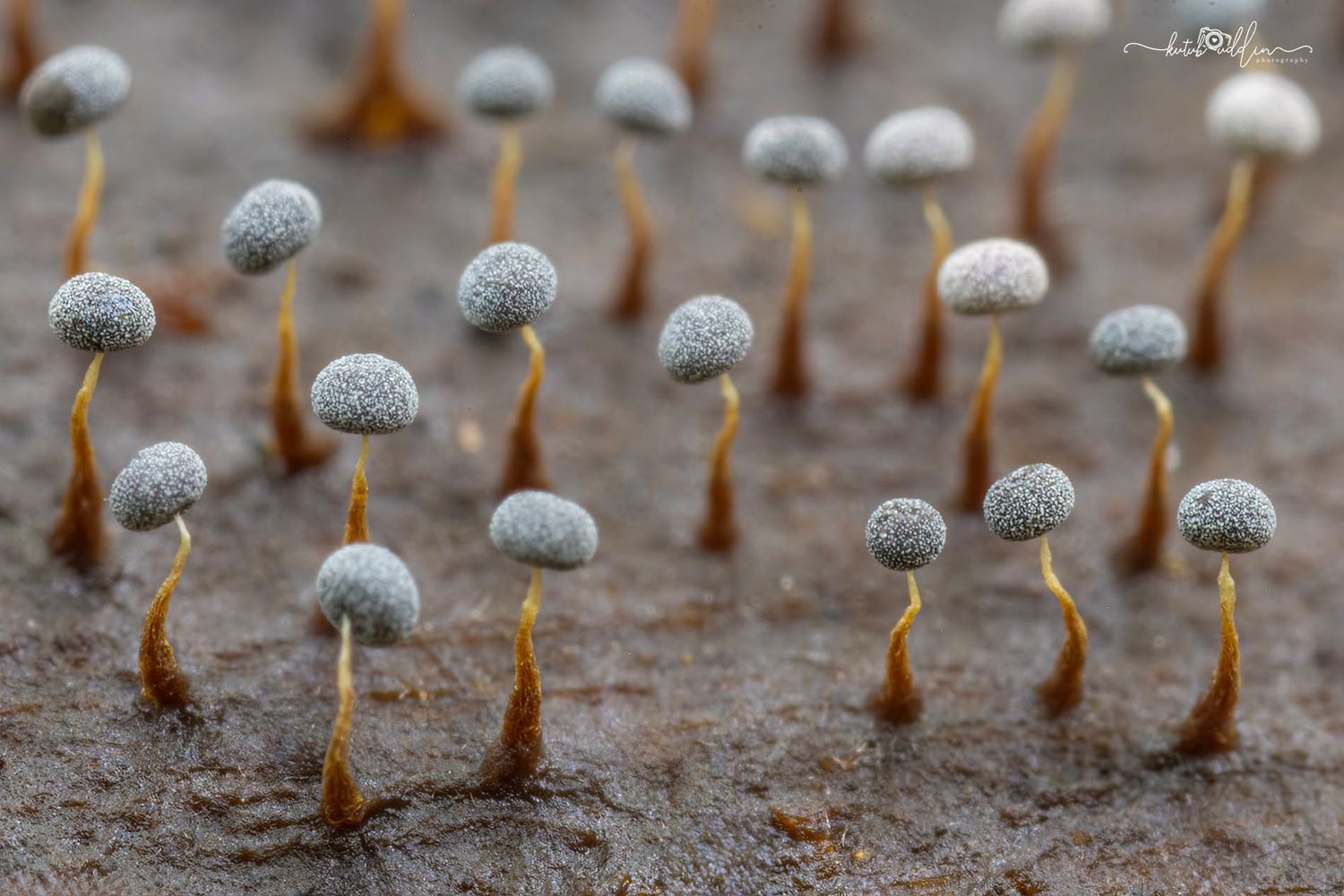
Craterium minutum
Location: Various woodlands and parks across West Sussex, UK
Habitat: Growing on leaf litter, decaying plant material, and woodchips
When Found: Throughout the year, particularly abundant in autumn
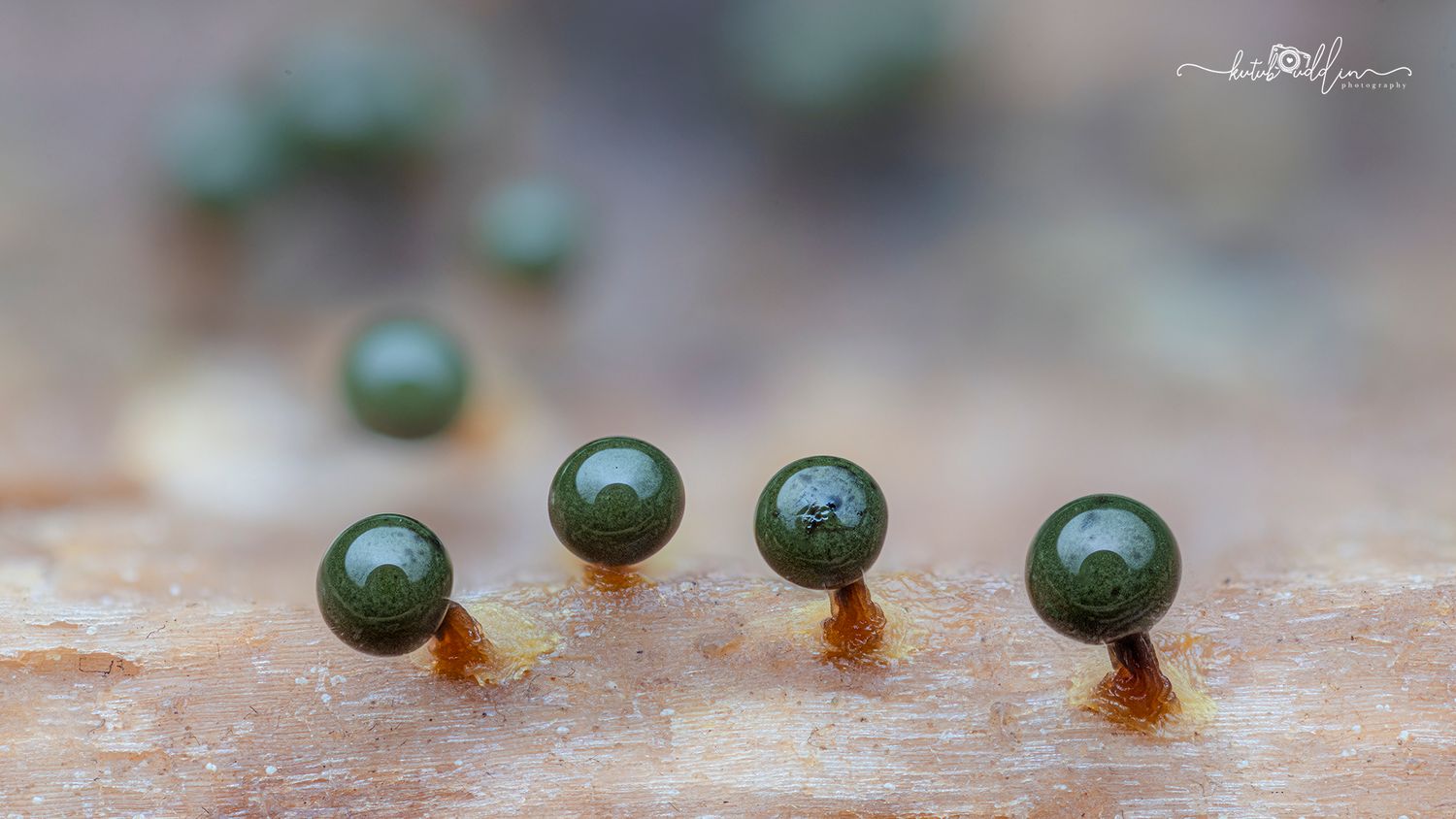
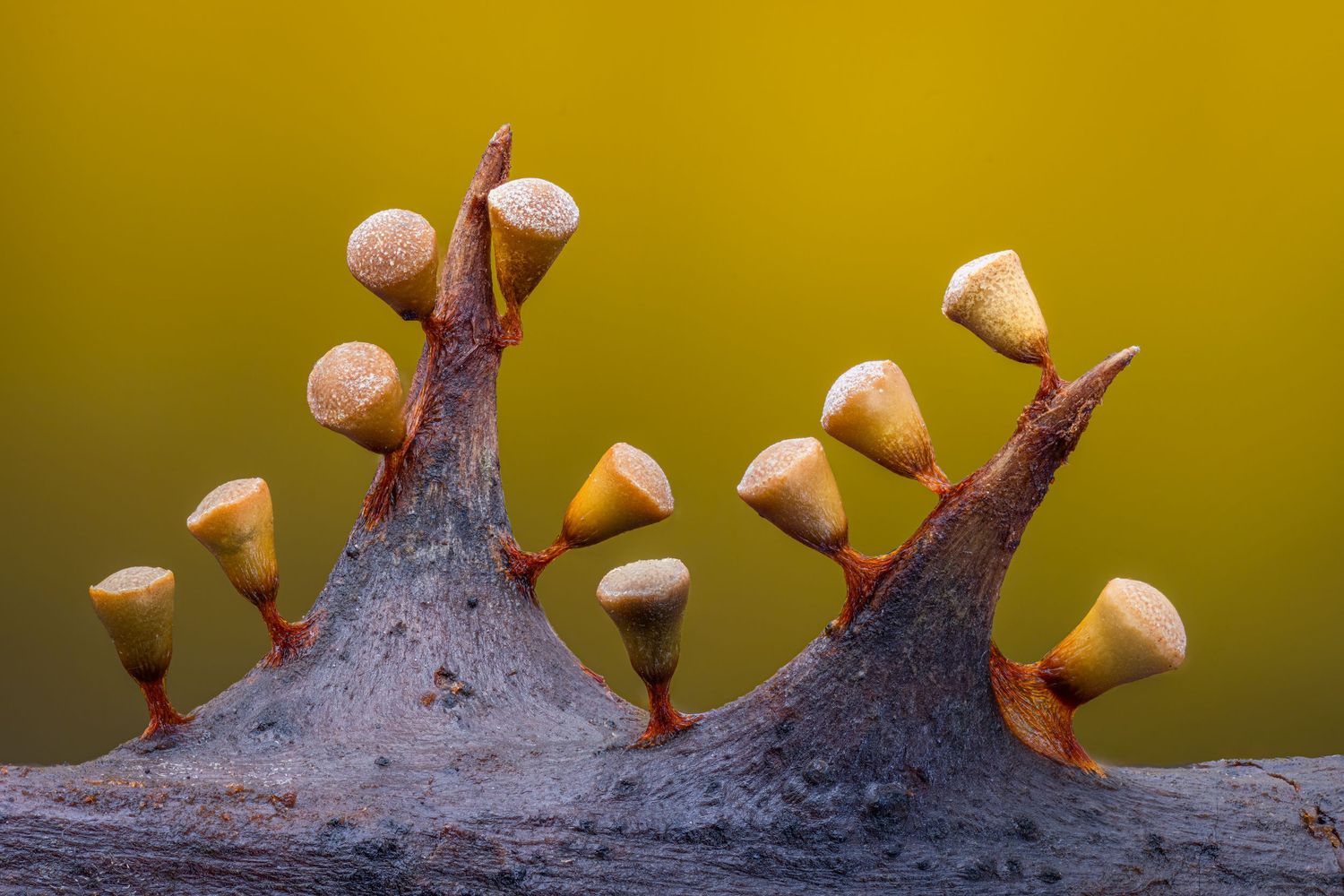
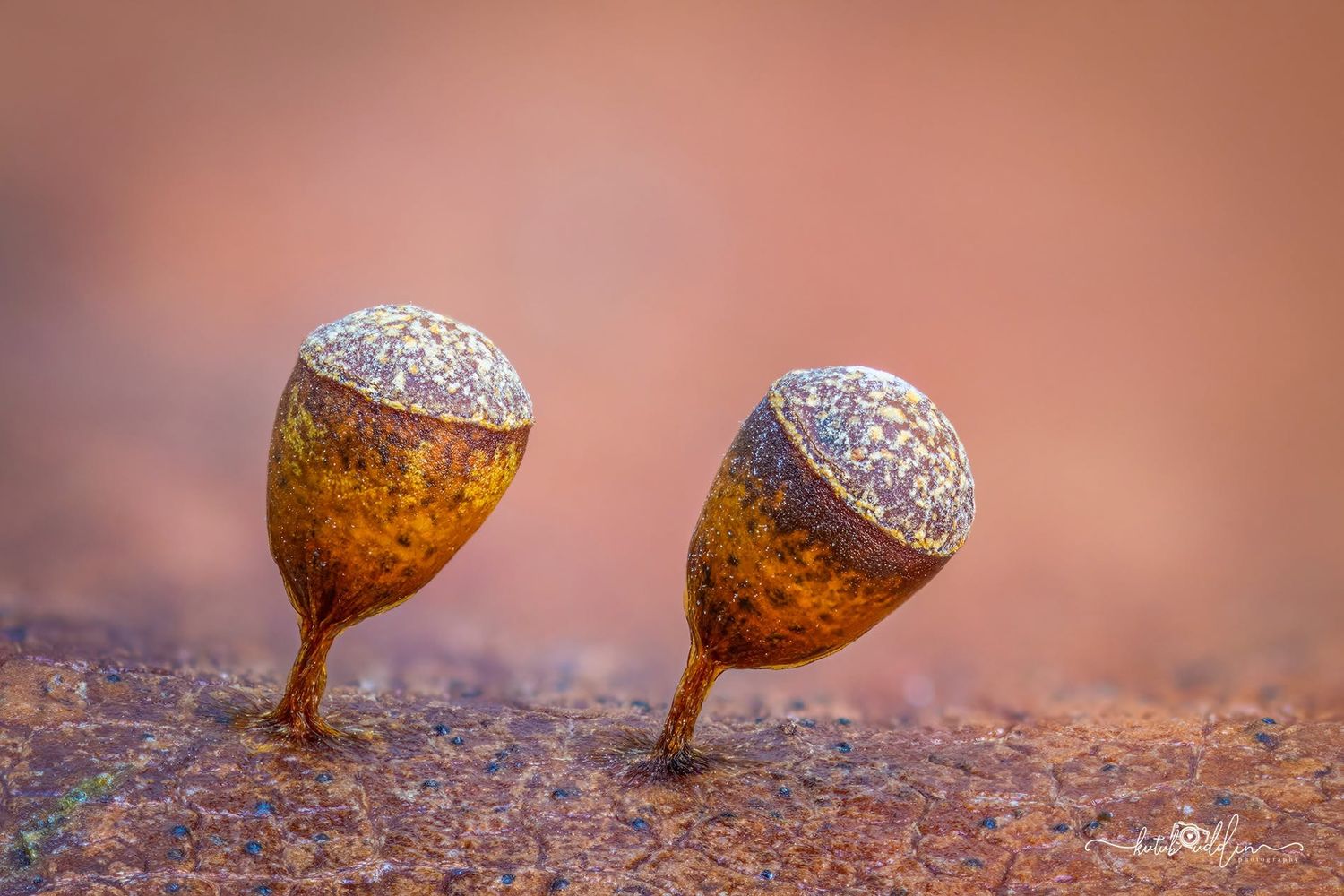
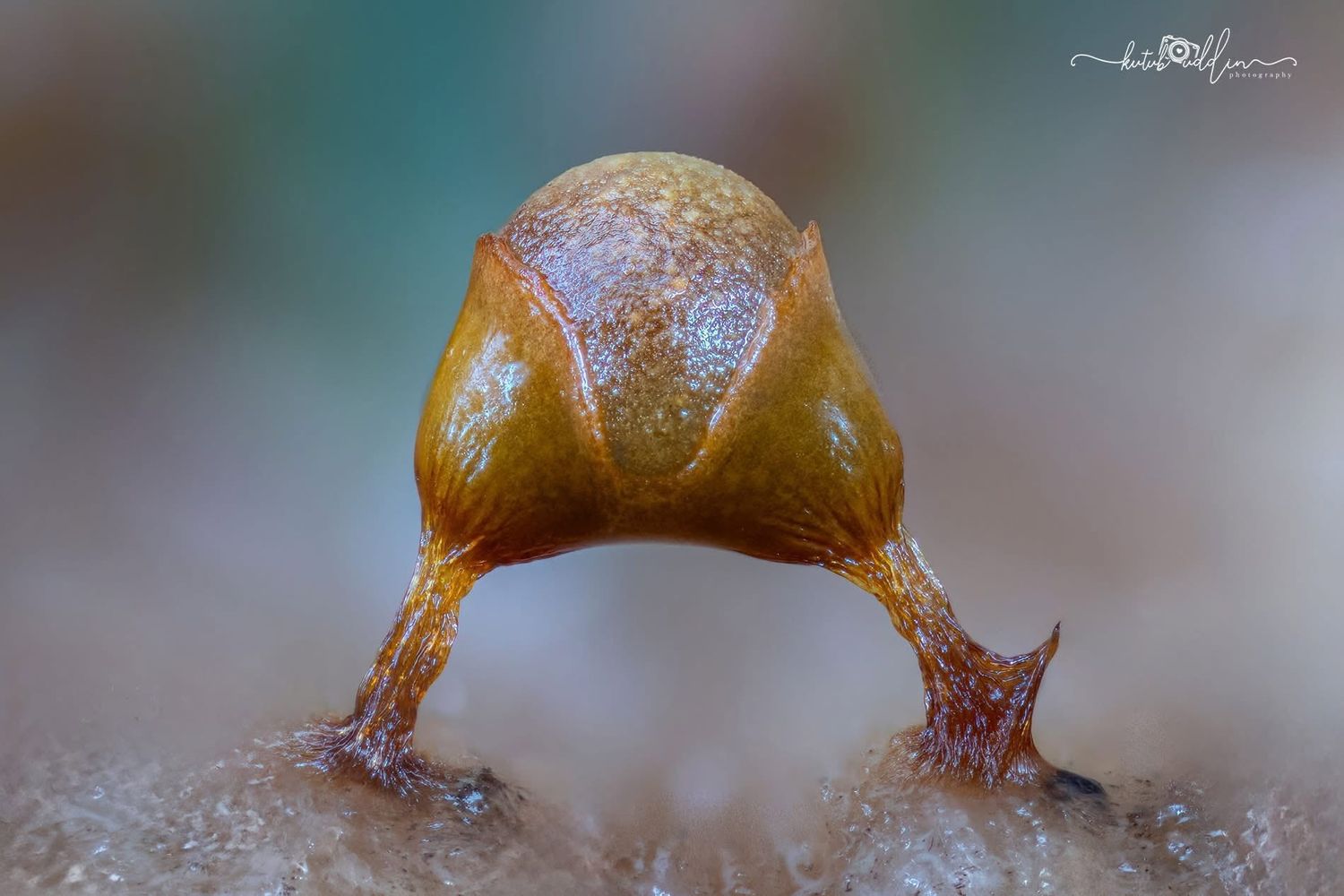
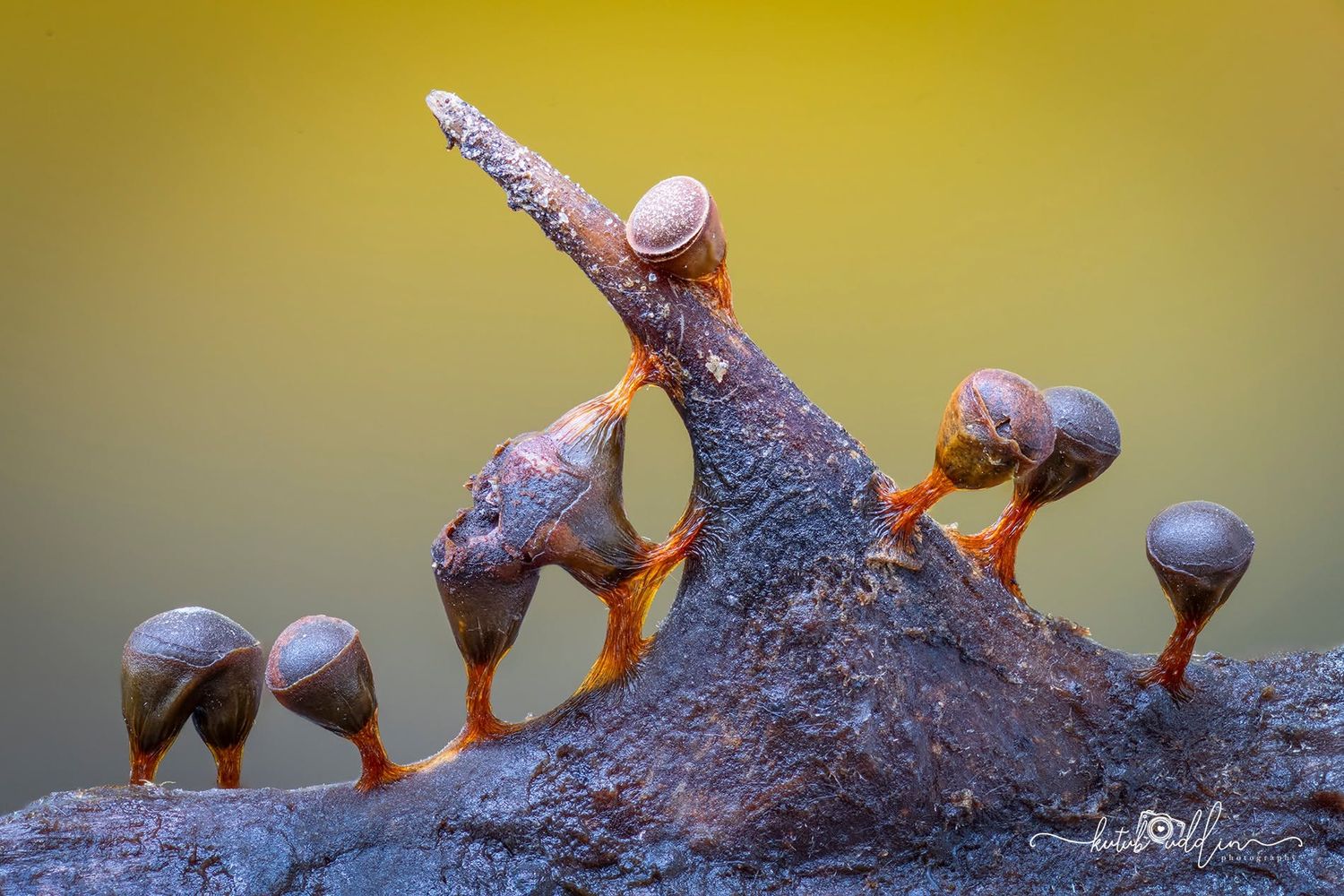
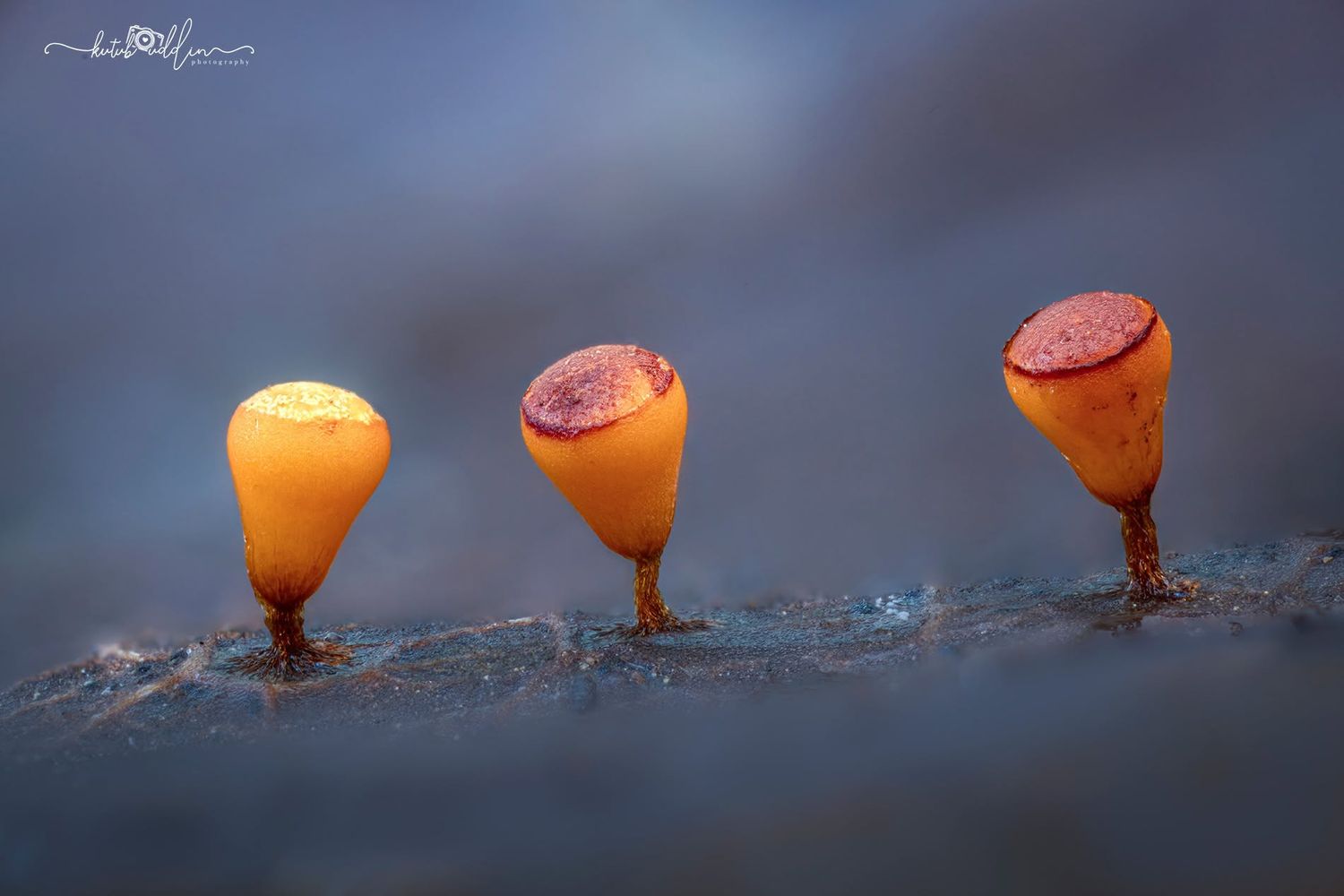
Craterium minutum is one of the most frequently encountered slime mold species in West Sussex and can be found in a wide variety of habitats. I have discovered it in numerous woodlands, parks, and nature reserves throughout the county, often growing on leaf litter, decaying vegetation, and woodchip piles.
Although it can be found at any time of year, it is especially common during autumn when damp conditions provide ideal growing conditions. At this time, large numbers can often be found amongst fallen leaves and woodland debris, sometimes forming impressive colonies.
Despite its tiny size, Craterium minutum is a fascinating species with distinctive goblet-shaped fruiting bodies. Under magnification, its delicate structure and subtle colours reveal an extraordinary level of detail that is easily overlooked by the naked eye.
As one of the most widespread slime molds I encounter, Craterium minutum has provided countless photographic opportunities and remains a favourite subject for exploring the hidden beauty of the miniature world beneath our feet.
Physarum album
Location: Hesworth Common, Petworth Park, Slindon Wood, West Sussex, UK
Habitat: Growing on decaying wood, fallen branches, and rotting logs
When Found: Throughout the year, but most abundant during autumn
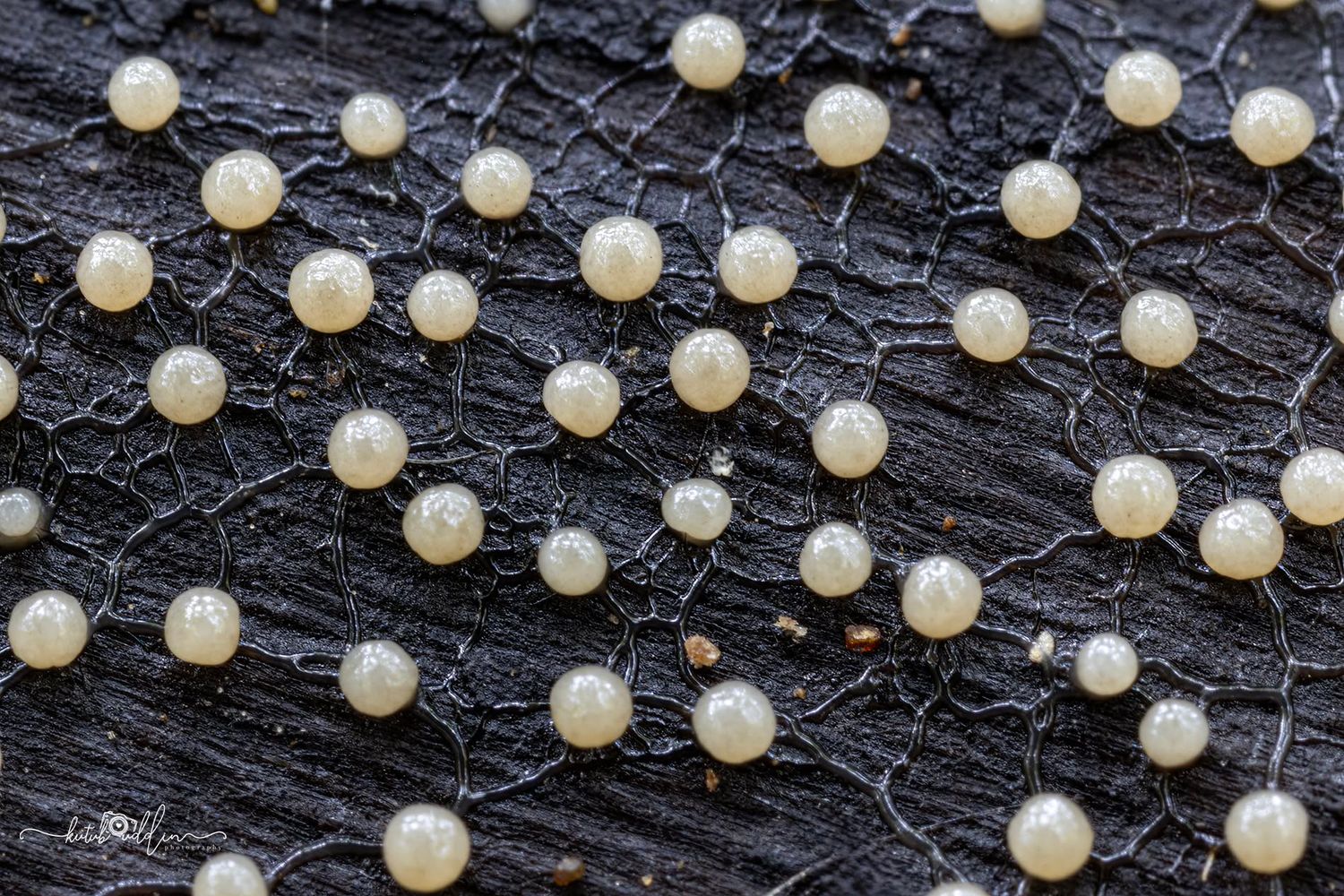
Physarum album is one of the most common and widespread slime mold species that I encounter across West Sussex. I have found it in a variety of locations, including Hesworth Common, Petworth Park, and Slindon Wood, where it grows on decaying wood and other dead plant material.
Although it can be found throughout the year, Physarum album is particularly abundant during autumn, when cooler temperatures and increased moisture create ideal conditions for fruiting. During this period, it can often be seen forming large clusters on fallen logs and branches across woodland floors.
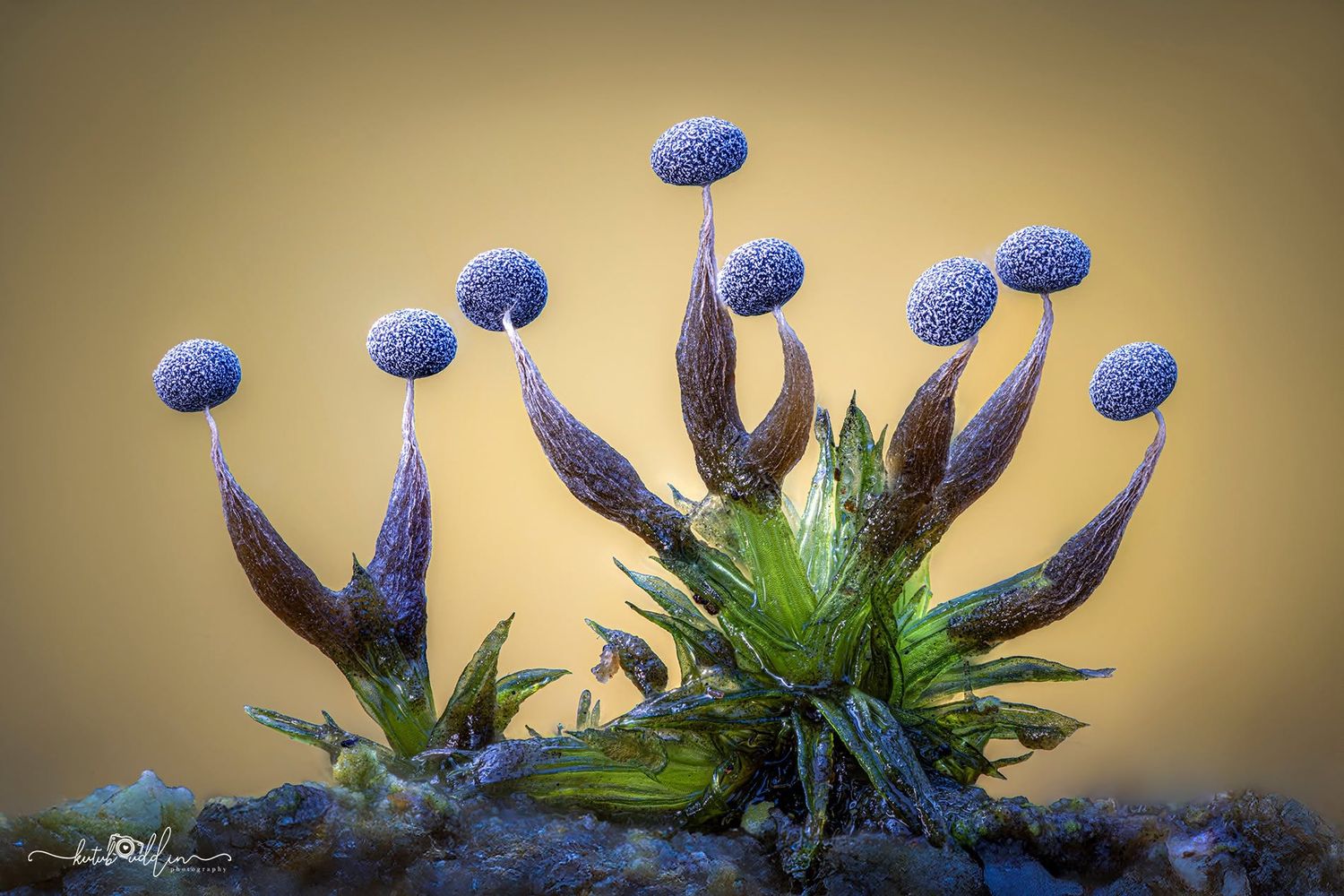
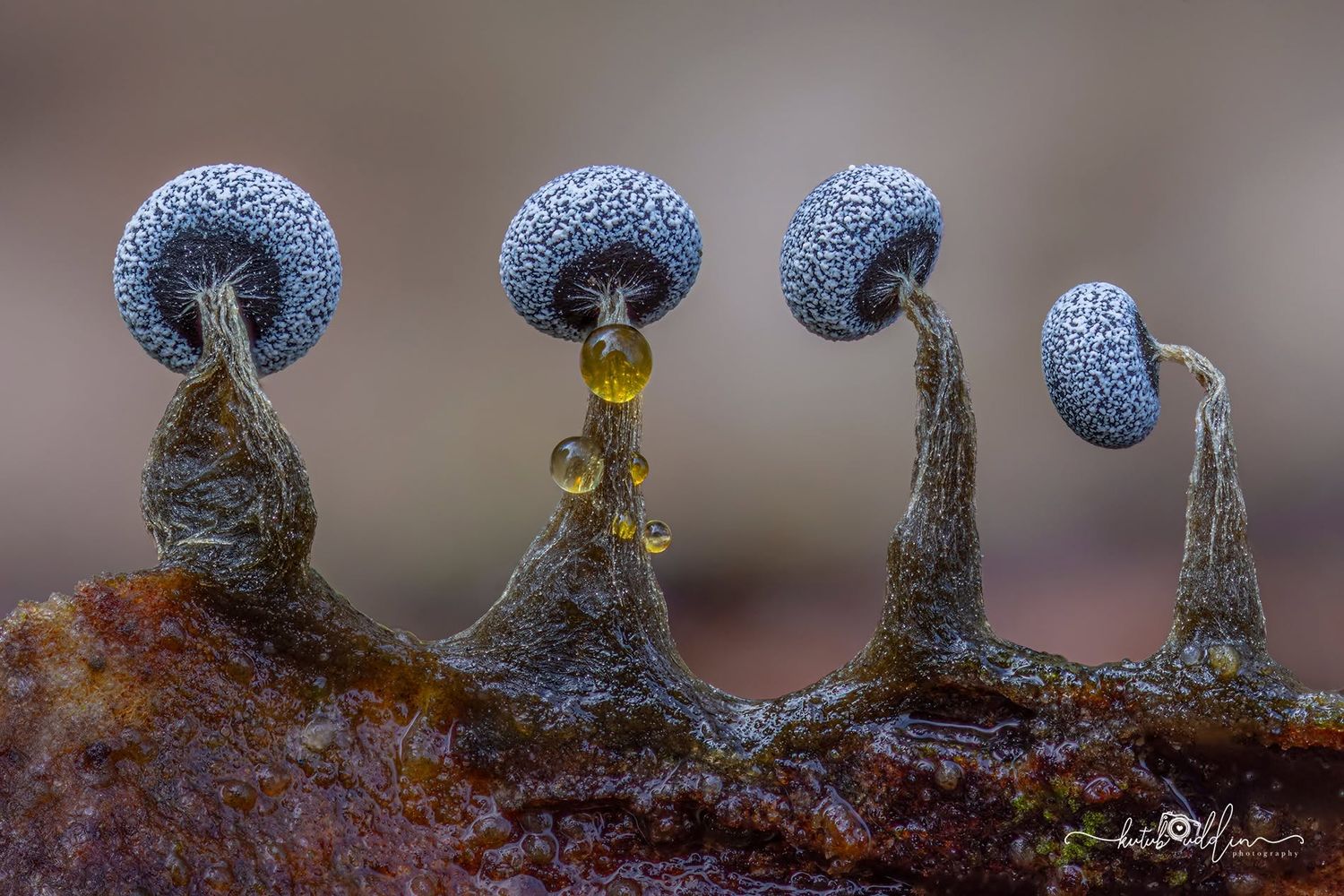
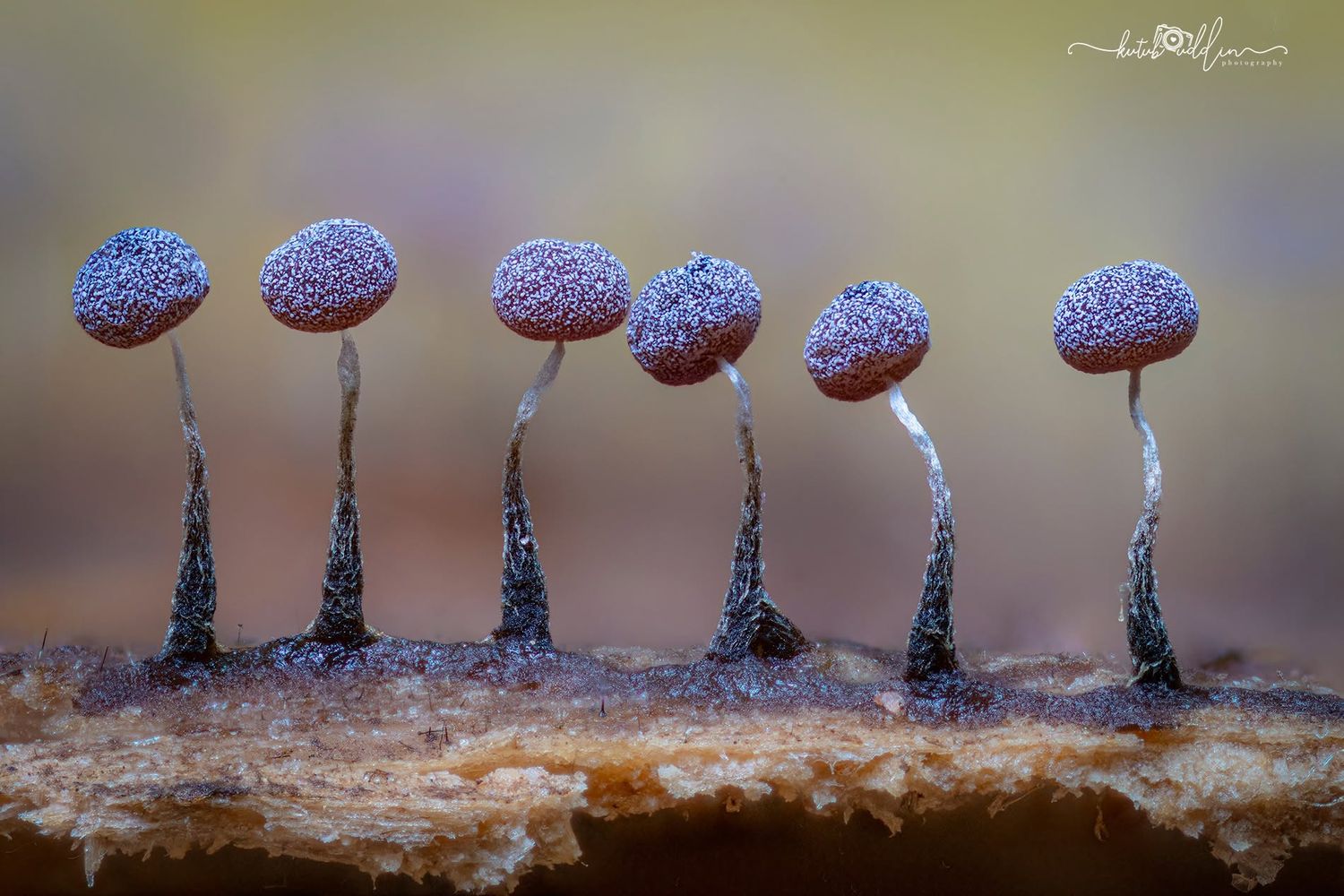
The species is recognised by its delicate pale fruiting bodies, which can create beautiful natural compositions, especially when growing amongst mosses or other woodland vegetation. While easily overlooked due to its small size, close-up photography reveals an intricate and elegant structure hidden within these tiny organisms.
As one of the most reliable species to find in West Sussex, Physarum album has provided many photographic opportunities and continues to be a fascinating subject for exploring the hidden world of slime molds.
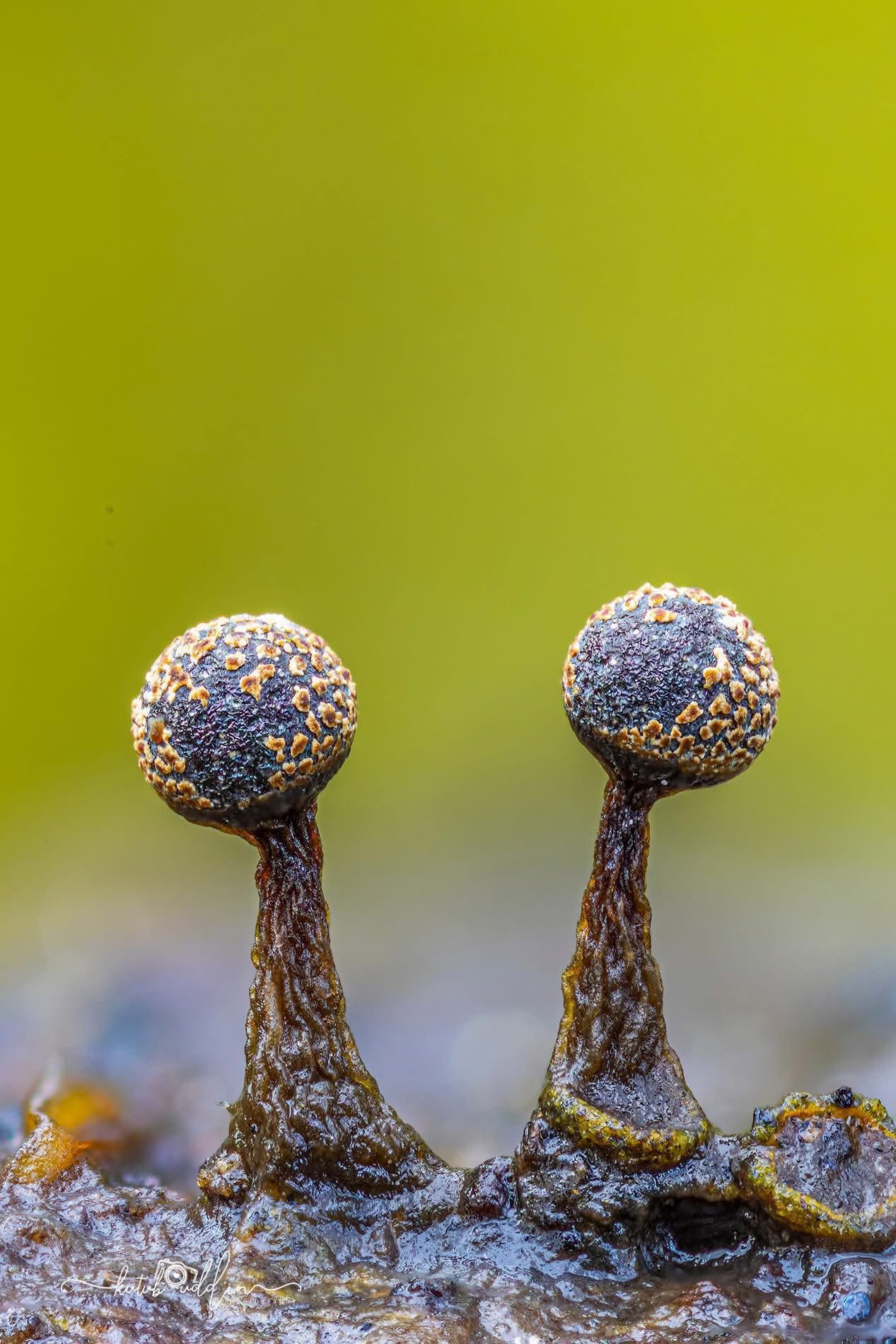
Physarum squamosum
Location: Petworth, West Sussex, UK
Habitat: Growing on decaying wood and branches
When Found: Autumn
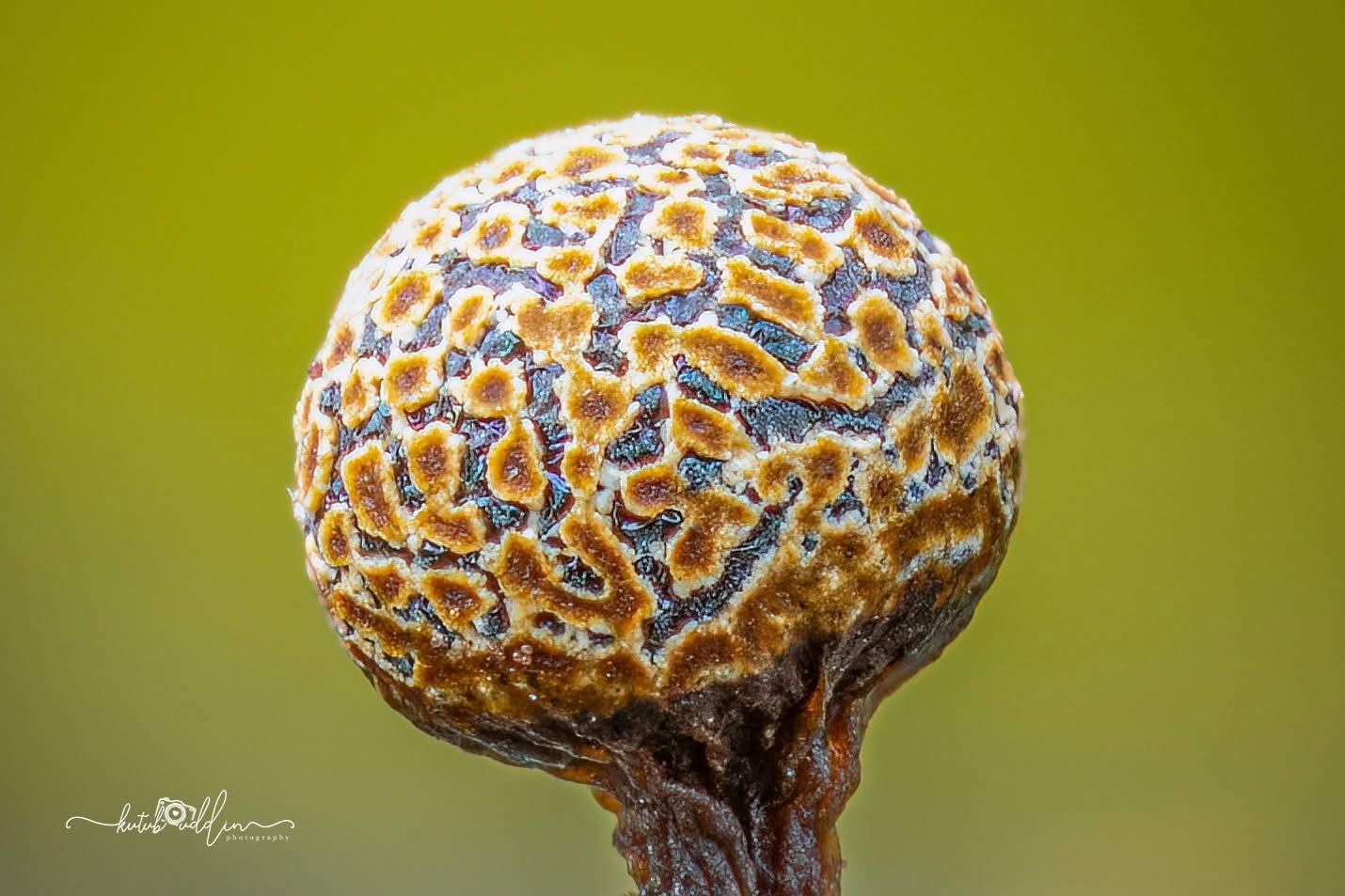
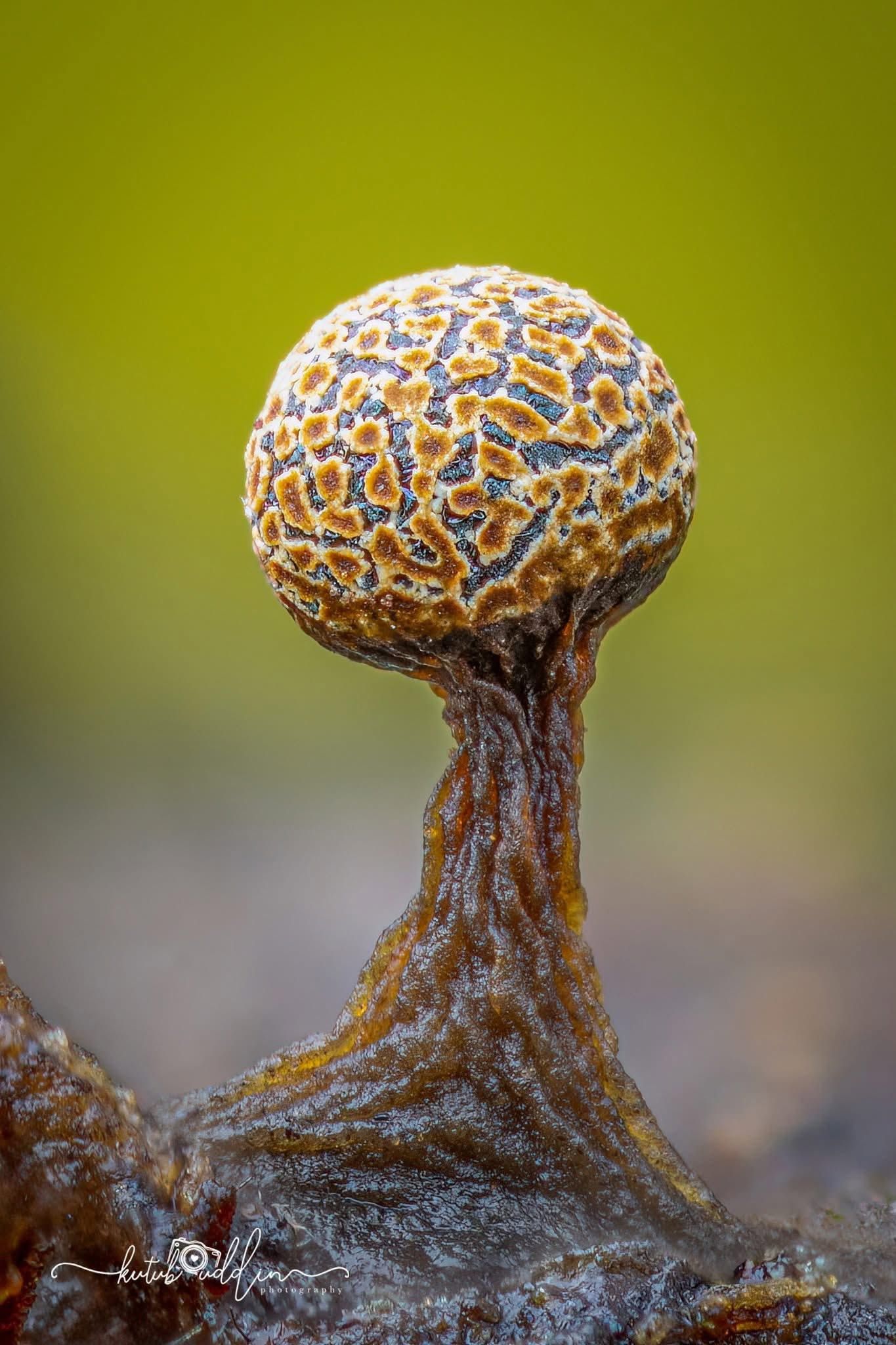
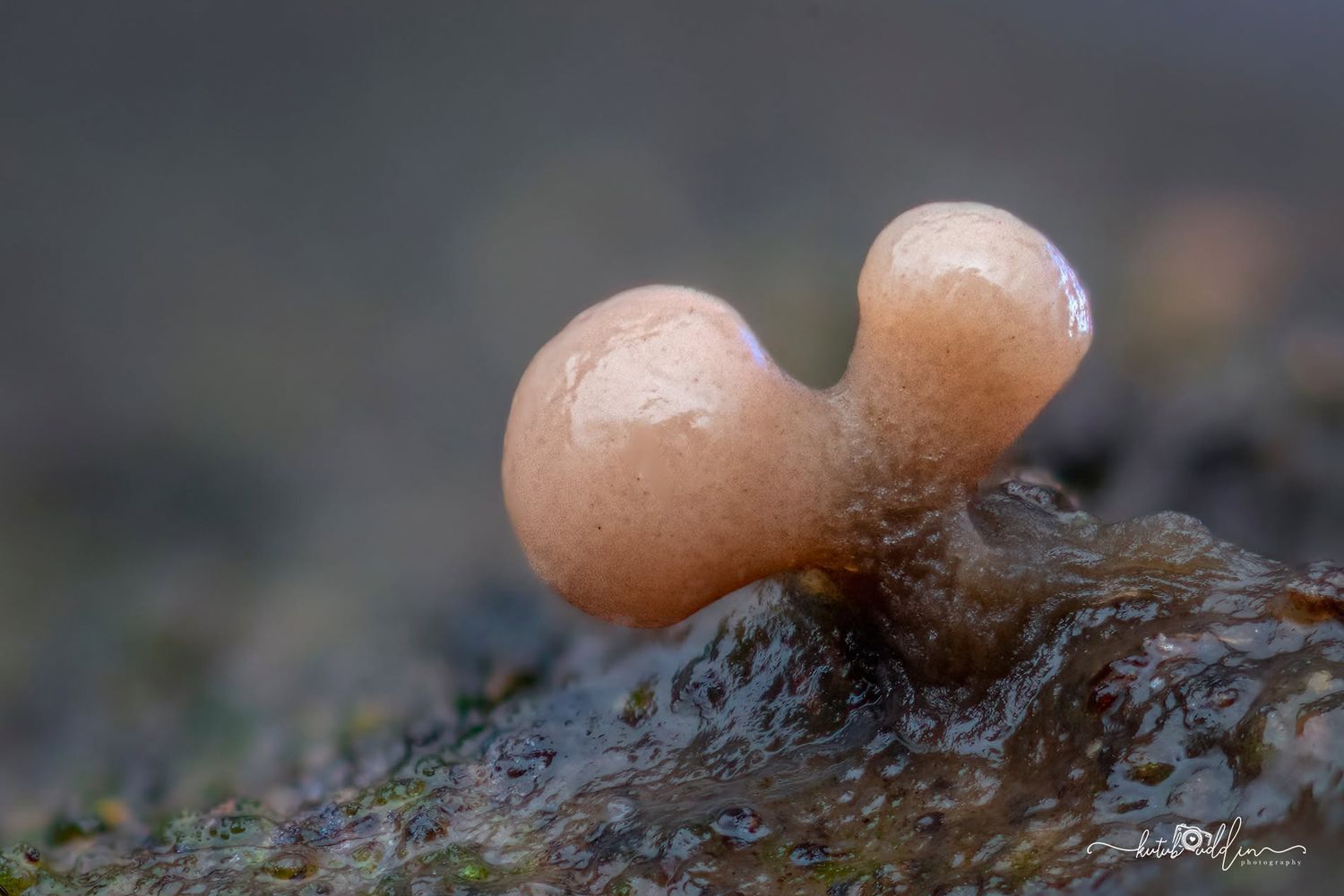
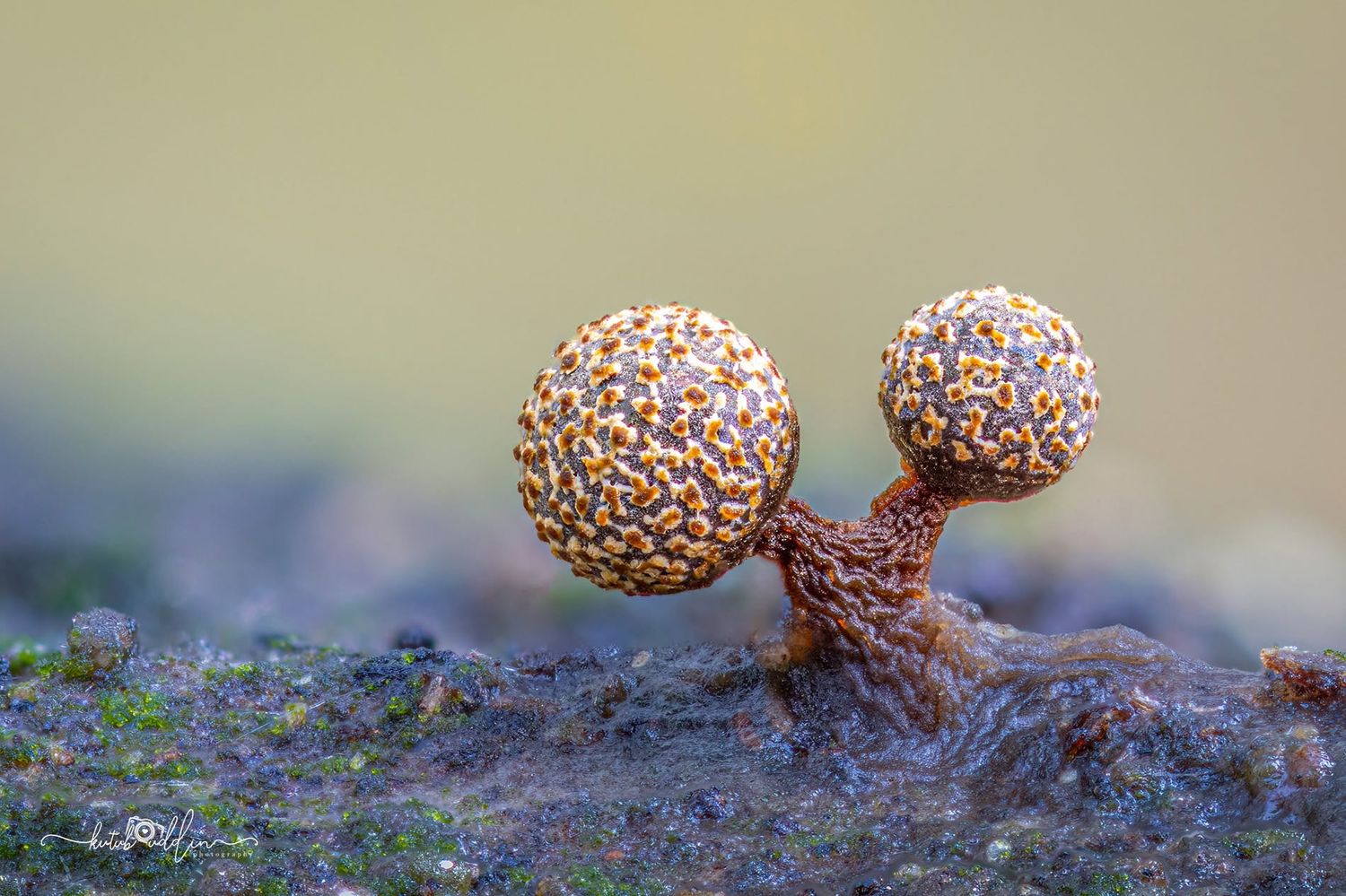
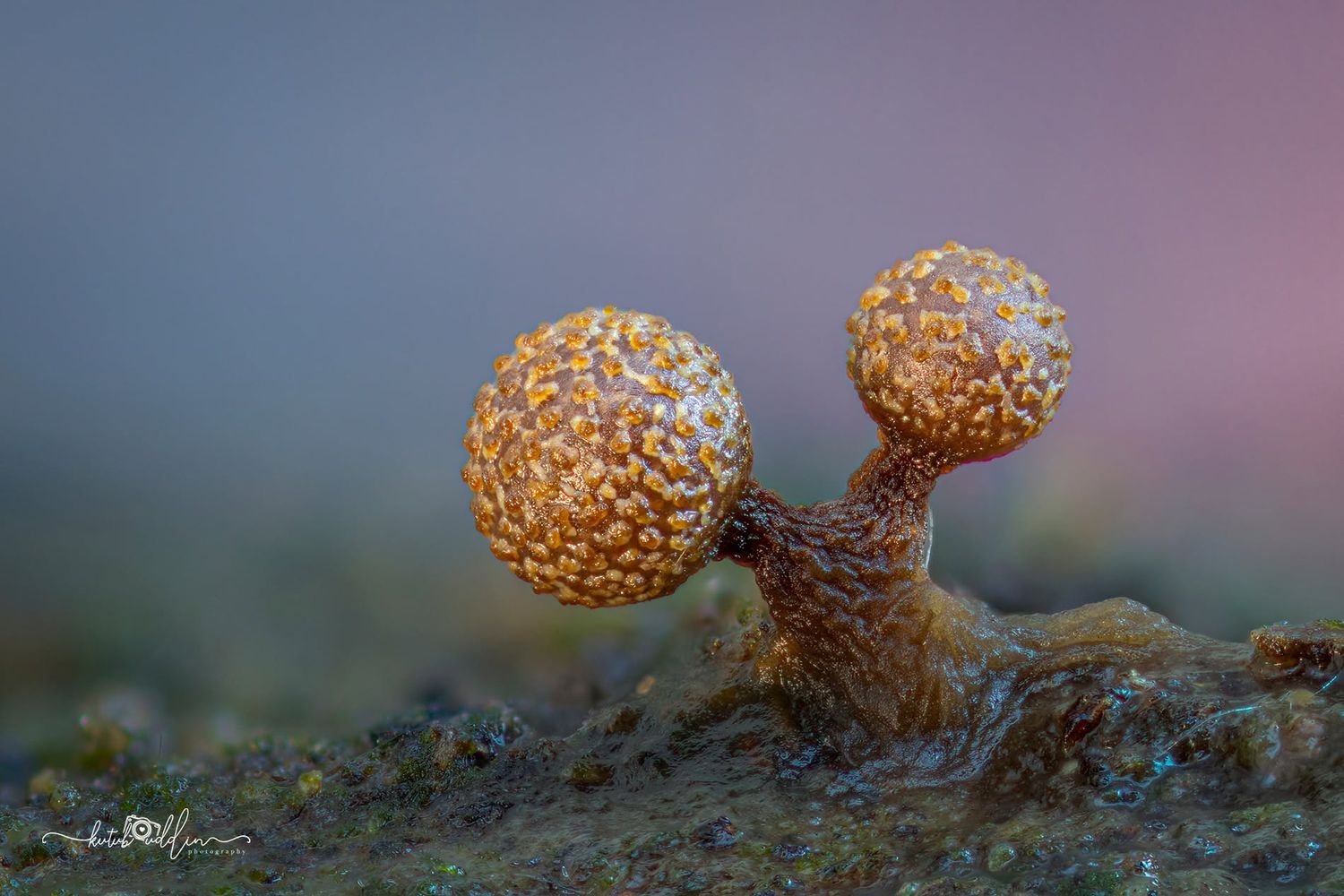
Physarum squamosum is a rare and remarkable slime mold species that I discovered in Petworth, West Sussex, during autumn. This find was particularly significant as it represents the first recorded occurrence of the species in the United Kingdom.
Discovering a species never before recorded in the UK was an exciting and memorable moment in my slime mold photography journey. Finds like this highlight how much there is still to learn about these fascinating organisms and demonstrate the importance of careful observation and documentation in the field.
Like many slime molds, Physarum squamosum is tiny and easily overlooked. However, under magnification, its intricate structures and delicate fruiting bodies reveal an extraordinary level of detail and beauty. Capturing and documenting rare species such as this not only provides valuable records but also helps showcase the incredible diversity of slime molds found within our woodlands.
This discovery remains one of my most rewarding finds and serves as a reminder that even in well-explored locations, nature can still hold exciting surprises waiting to be uncovered.
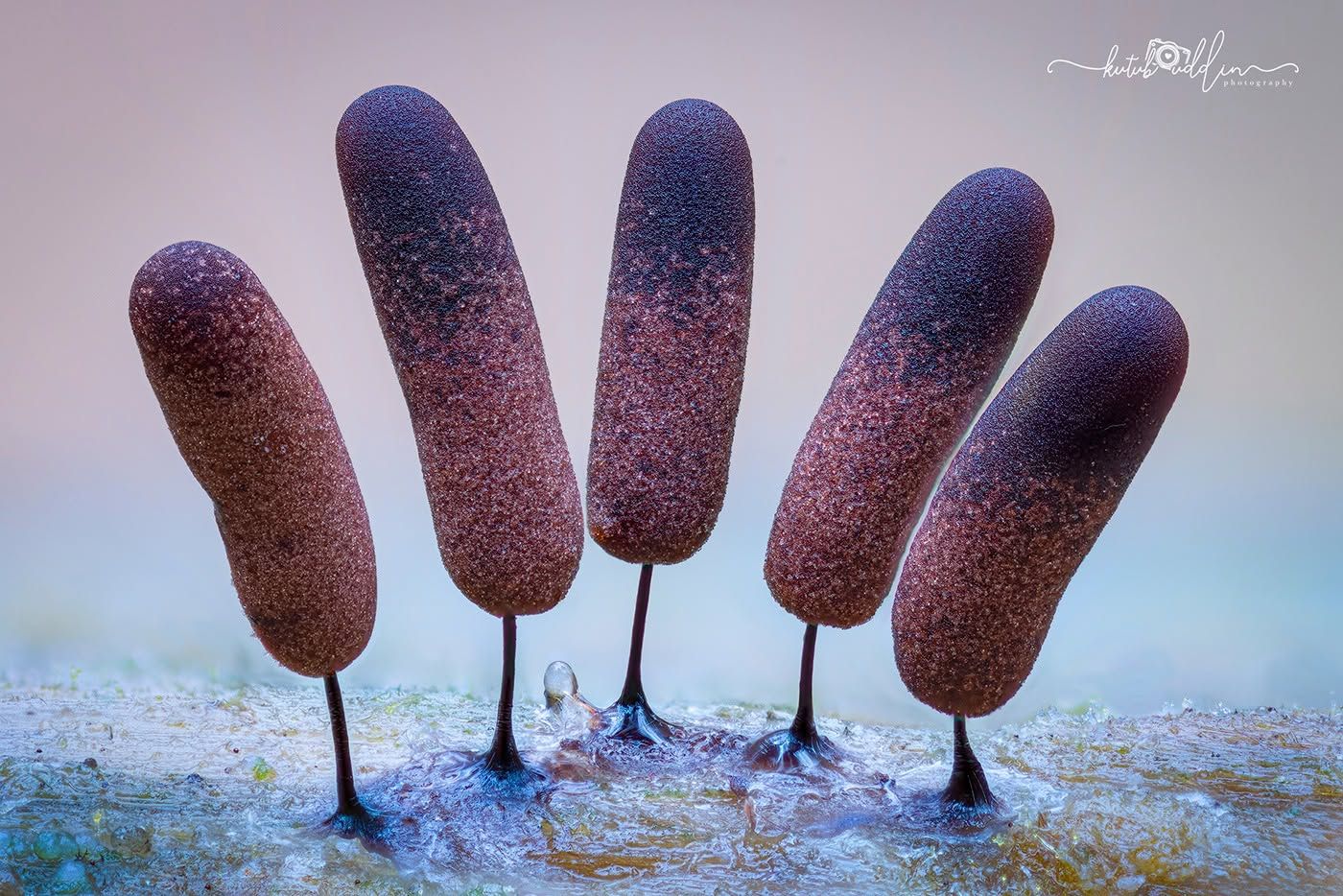
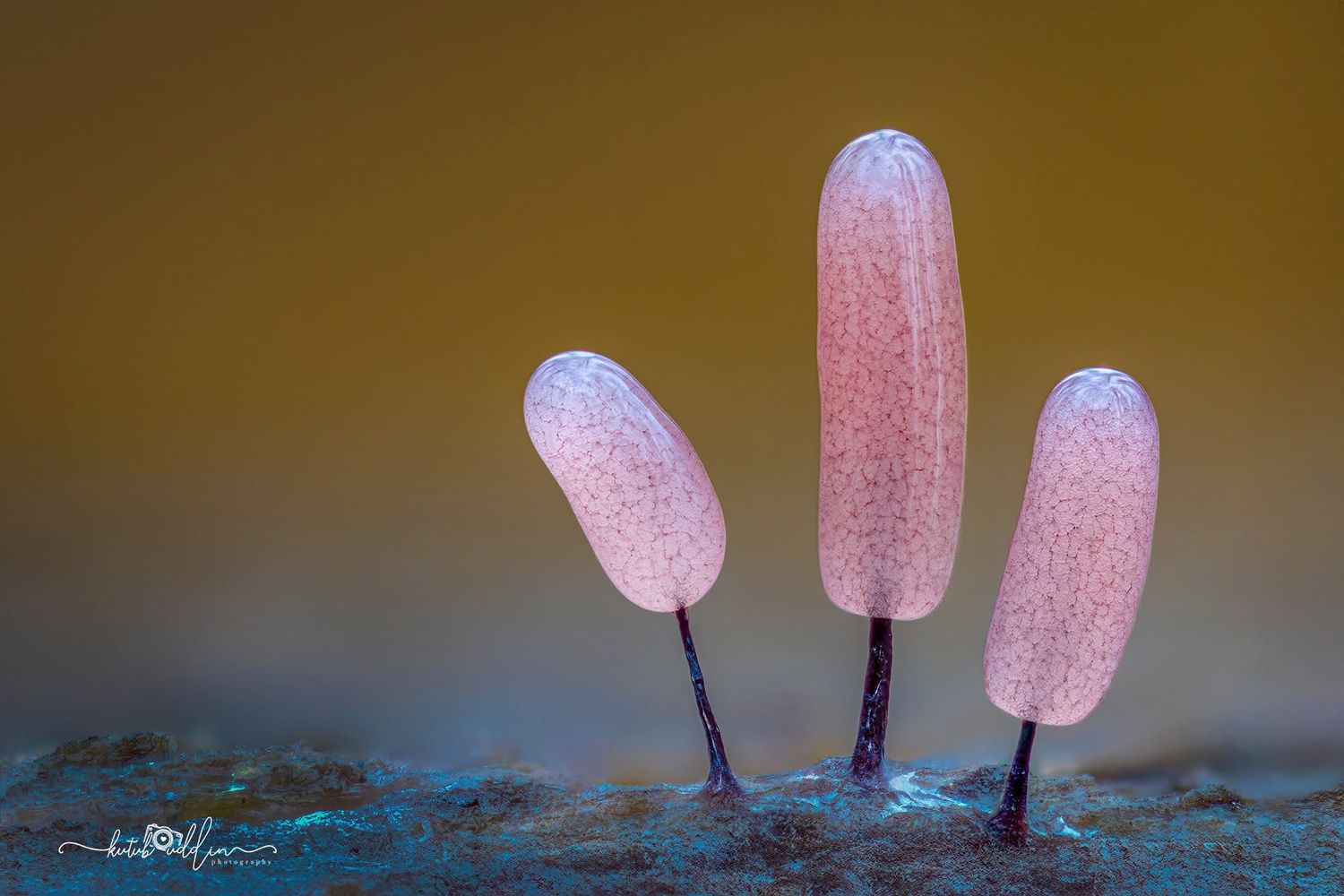
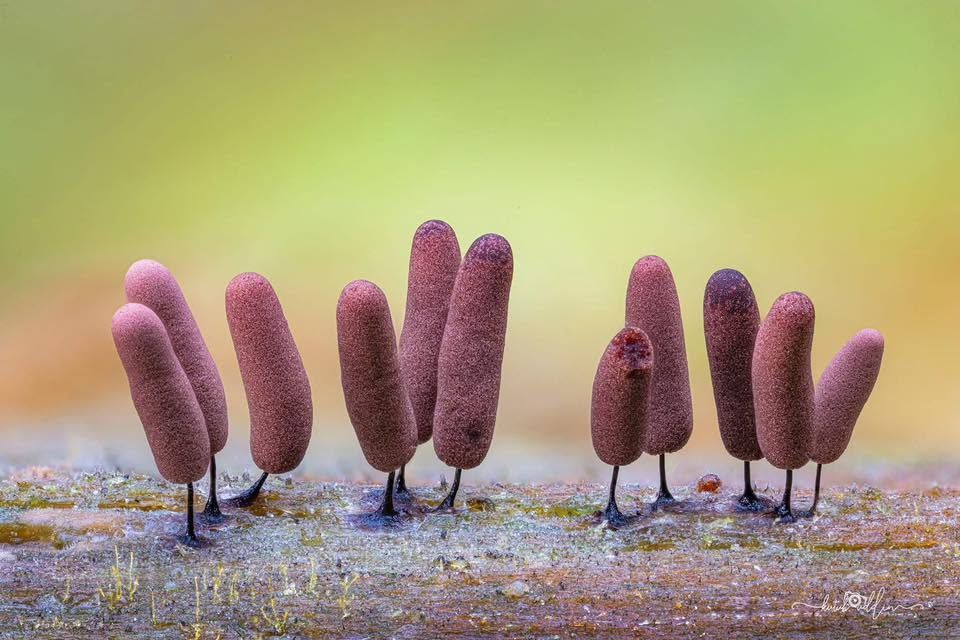
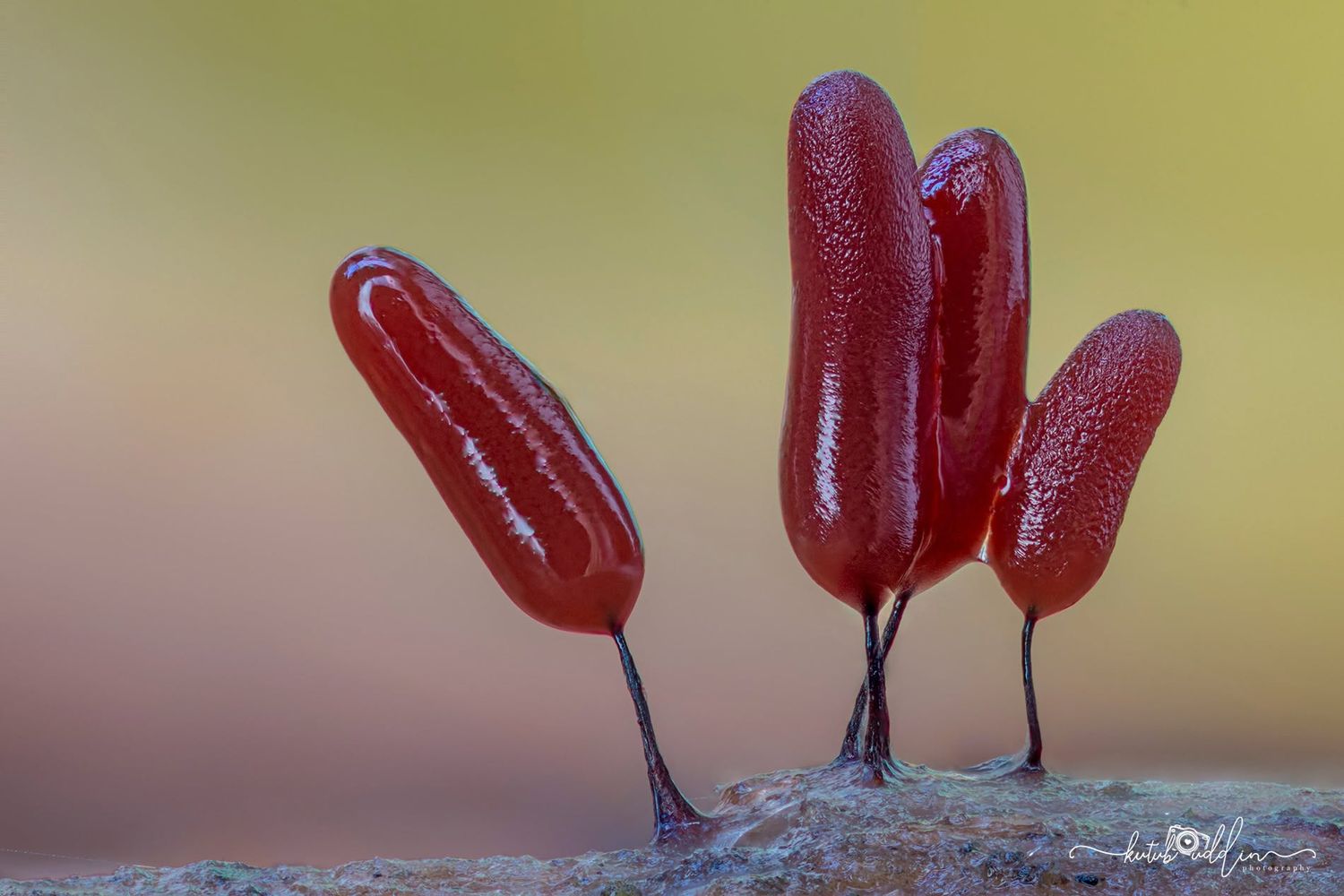
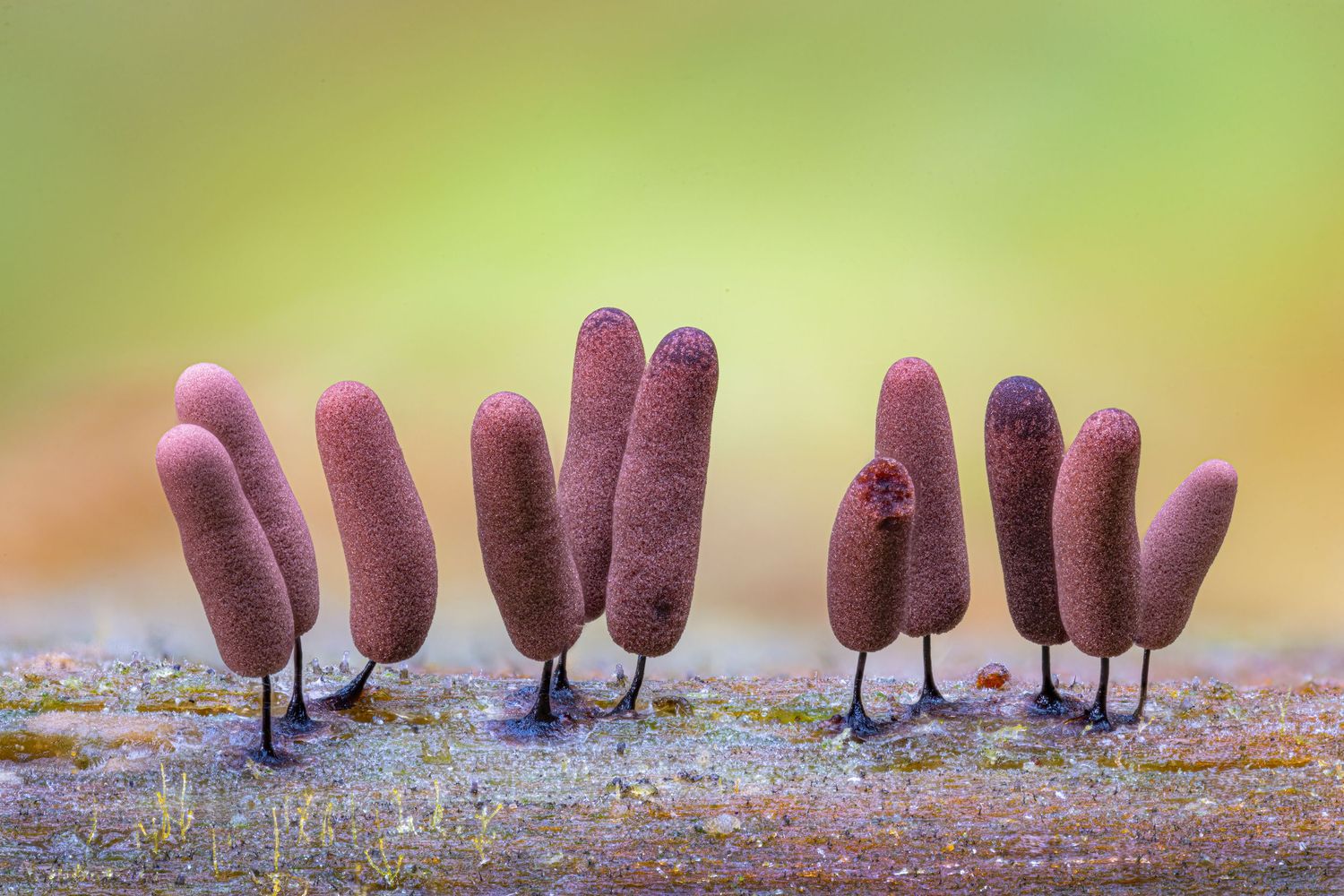
Comatricha pulchella
Location: Hesworth Common, Fittleworth, West Sussex, UK
Habitat: Growing on decaying pine logs
When Found: August–September 2025
Comatricha pulchella is a delicate and elegant slime mold species that I discovered on decaying pine logs at Hesworth Common during late summer 2025. Growing in the warm and humid conditions of August and September, this species appeared in small groups on well-rotted wood, often requiring careful observation to spot due to its tiny size.
The fruiting bodies are slender and graceful, with fine dark stalks supporting delicate spore-bearing structures. Although only a few millimetres tall, they display remarkable beauty when viewed under magnification. Their intricate forms and subtle textures make them a rewarding subject for macro photography.
Like many slime molds associated with decaying pine wood, Comatricha pulchella thrives in damp woodland habitats where fallen logs provide the moisture and nutrients needed for development. Photographing species such as this reveals a hidden world of extraordinary detail that is often overlooked by woodland visitors.
This species is a wonderful example of the incredible diversity of slime molds found in West Sussex and highlights the rich microhabitats that exist within our local woodlands.
To Be Continued...